Staff Writer
Finance Minister Mthuli Ncube says authorities are adopting an anticipatory approach to prepare for an anticipated El Niño, including mobilising funding and exploring insurance mechanisms as the government seeks to cushion the economy against climate-related shocks.
El Niño is a recurring climate phenomenon driven by warming sea surface temperatures in the central and eastern tropical Pacific Ocean.
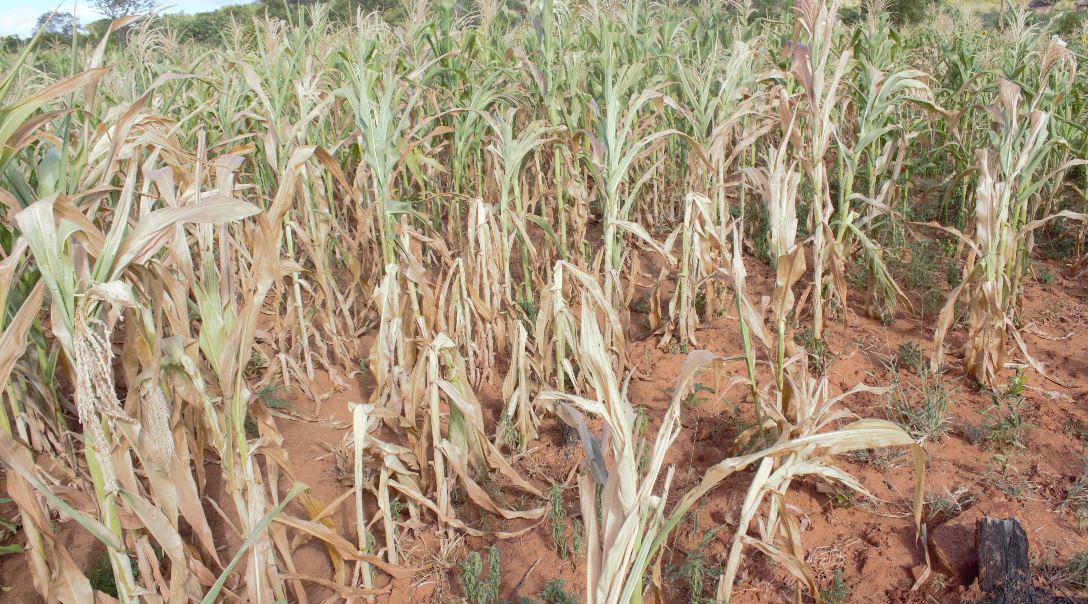
The phenomenon historically disrupts seasonal rainfall distribution across Southern Africa, triggering prolonged dry spells, reduced agricultural yields, and severe pressure on water resources.
The Minister highlighted that Zimbabwe is mobilising funding from the national budget, financial institutions, private-sector players and development partners to prepare for the anticipated El Niño,
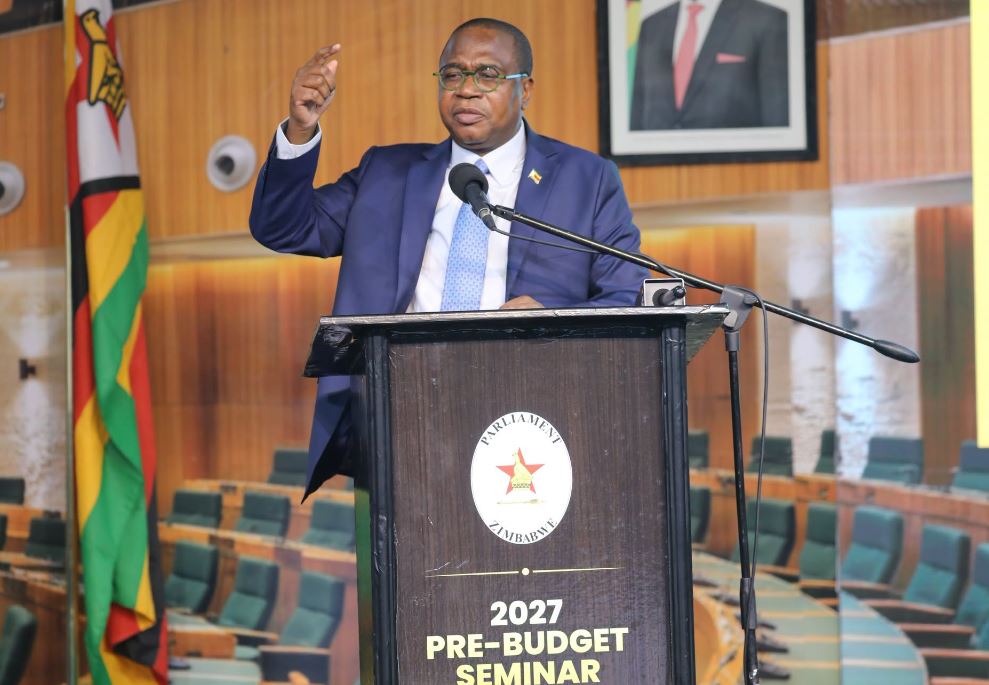
“Our approach is anticipatory, not reactive,” Ncube said in his presentation at the 2027 Pre-Budget Seminar.
“A Super El Niño does not automatically mean drought, but government is mobilising resources ahead of the shock from its own budget, banks, private contractors and off-takers, agricultural financing, insurance (including sovereign drought insurance) and development partners.”
The approach comes as Zimbabwe prepares for a 2026/27 agricultural season that the Minister identified as vulnerable to El Niño-related drought.
He said the government’s plans are intended to mobilise resources before potential losses affect agricultural production, food supplies and rural livelihoods.
The Minister outlined a multi-pronged response that includes strengthening the Strategic Grain Reserve, accelerating irrigation development, supporting climate-smart production, facilitating cereal imports and improving drought preparedness for livestock.
The government is targeting a Strategic Grain Reserve of 600,000 tonnes by October 2027. National cereal production for the 2026/27 season is projected at about 1.6 million tonnes, while the potential cereal deficit is estimated at between 266,881 and 541,881 tonnes, depending on seasonal conditions.
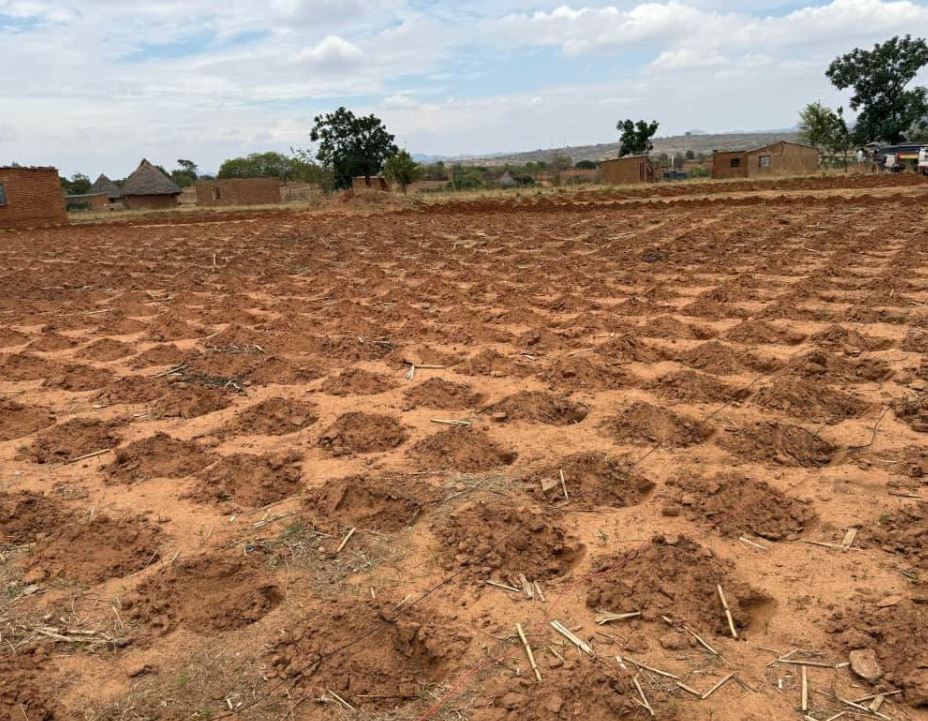
The proposed response also includes climate-proofing the Presidential Input Programme, which supports farmers through Pfumvudza/Intwasa, and drawing on financing through agricultural programmes, the Agricultural and Rural Development Authority, private-sector participation and self-financing models.
Irrigation is another component of the strategy, with the government seeking to increase summer cereal production under irrigation to reduce dependence on rainfall.
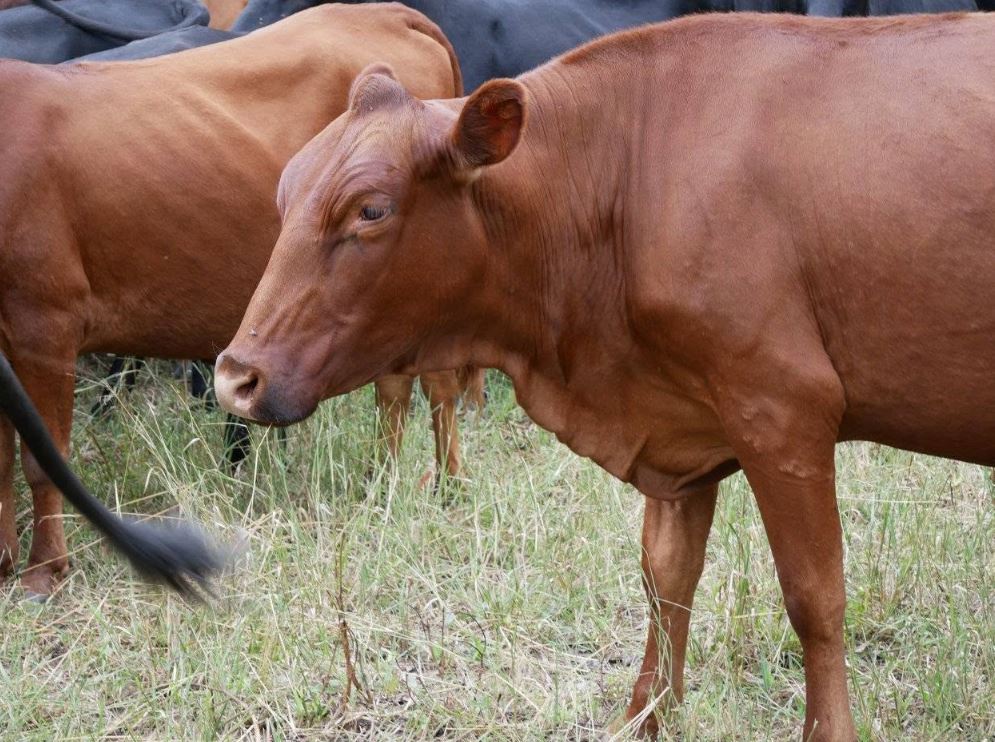
Measures to support livestock include ensuring adequate grazing and water supplies, while stronger early-warning systems and coordination with farmers and traditional leaders are intended to improve preparedness.
Although El Niño is associated with an increased risk of below-normal rainfall in parts of southern Africa, its effects vary by season and location.
Discover more from CLIMATE BRIEF
Subscribe to get the latest posts sent to your email.