Bongi Khumalo
The government is banking on a six-pillar drought mitigation strategy to shield the country from an anticipated El Niño-induced dry spell during the 2026/27 agricultural season.
The multi-pronged plan focuses on strengthening national grain reserves, expanding climate-smart agricultural techniques, unlocking dedicated agricultural financing, and protecting livestock assets.
The intervention also encompasses strategic grain imports and reinforced early-warning infrastructure to cushion rural livelihoods against potential rainfall deficits.
The strategy marks a proactive shift to safeguard food security as meteorological forecasts point to heightened risks of drought across Southern Africa ahead of the upcoming cropping season.
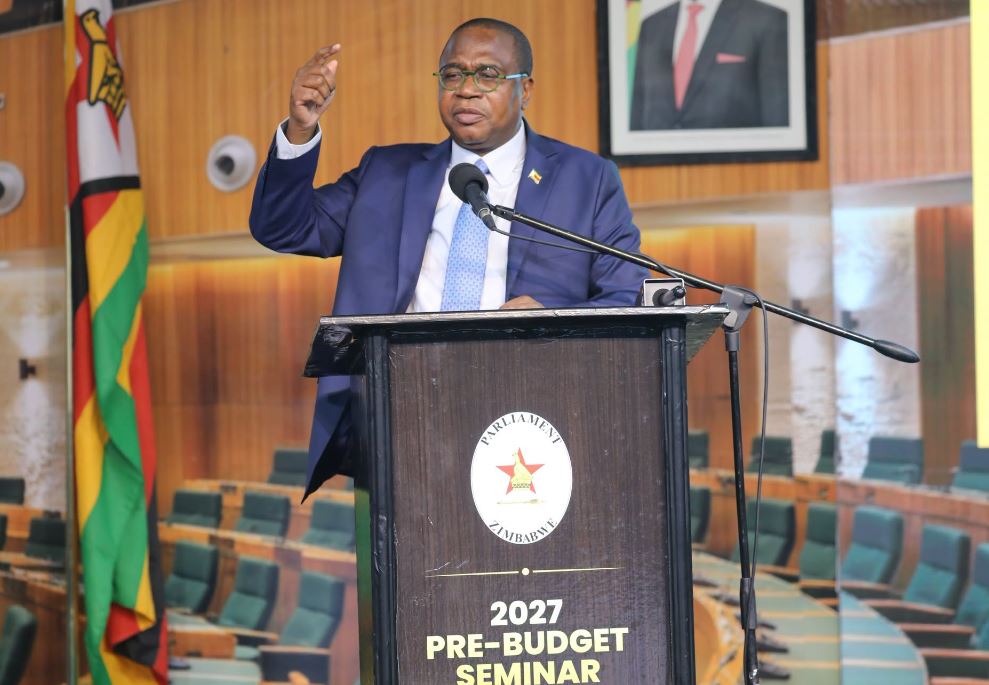
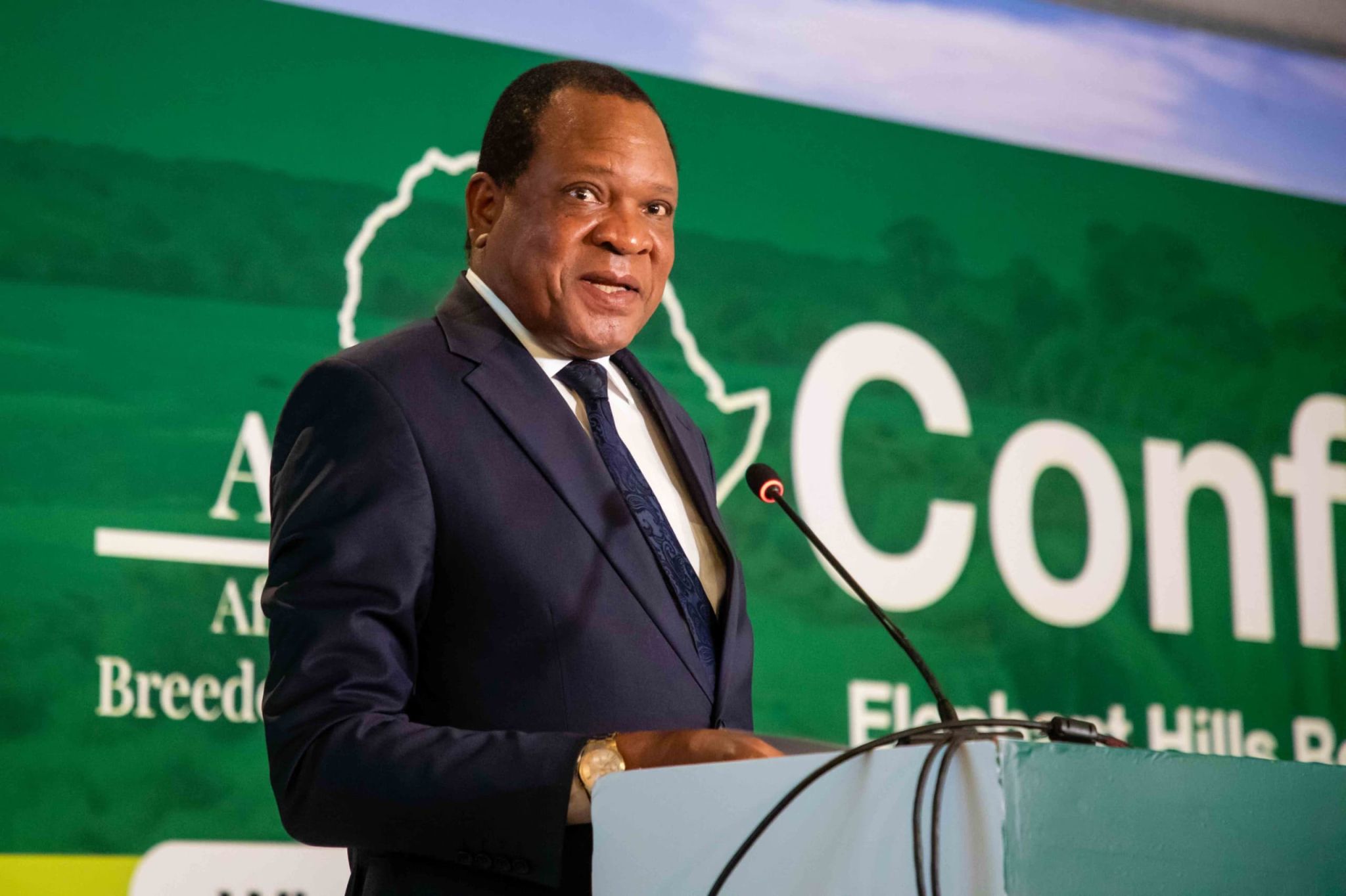
Speaking at the 2027 Pre-Budget Seminar, Minister of Agriculture Anxious Masuka highlighted the government’s preparations as climate forecasts point to an increased risk of below-normal rainfall.
The urgency is underlined by earlier government assessments indicating an 88 to 94% likelihood of El Niño developing and a 65% probability of below-normal rainfall during the coming season.
El Niño is characterised by warmer-than-average sea surface temperatures in the central and eastern equatorial Pacific Ocean, which influence atmospheric circulation and rainfall patterns across the globe.
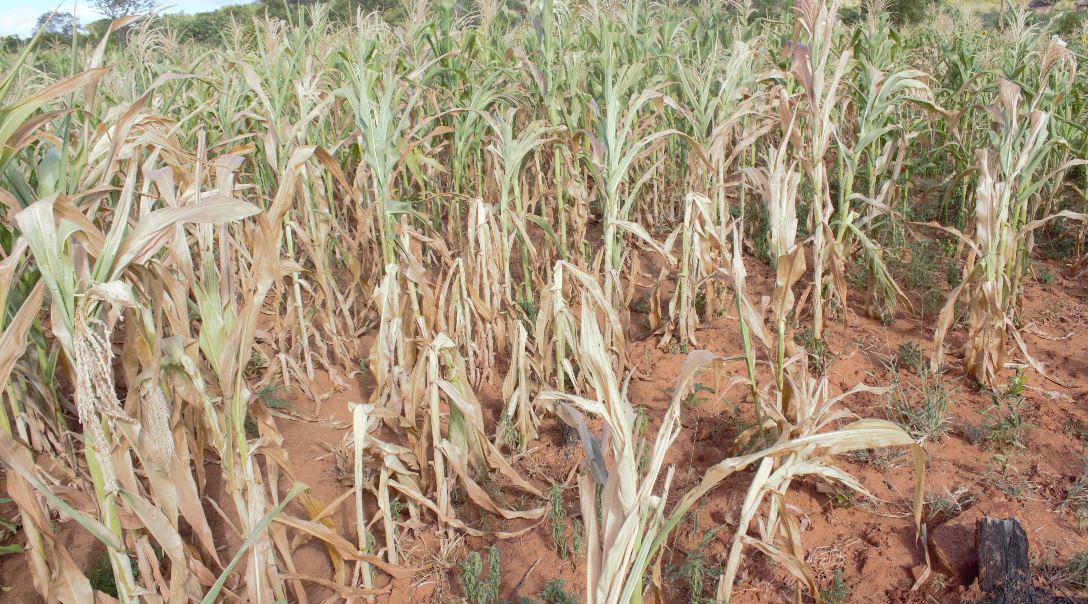
In southern Africa, the phenomenon is frequently associated with low rainfall, increasing the risk of agricultural drought, water shortages and livestock losses.
Zimbabwe experienced the consequences during the 2023/24 season, when poor rainfall affected crop production and livestock, forcing the government to declare a national disaster and mobilise food assistance.
Against this background, the six-pillar strategy seeks to move beyond emergency food assistance towards strengthening agricultural resilience, securing supplies and supporting communities before and during periods of water stress.
Strengthening the national strategic grain reserve
The first pillar focuses on rebuilding the National Strategic Grain Reserve to 600,000 metric tonnes by October 2027, using increased purchases from the 2025/26 summer cropping season and the 2026 and 2027 winter production seasons.
According to Minister Masuka, the country currently has 340,749 tonnes in its strategic grain reserve, representing 56.8% of the target.
The government intends to leverage new artificial intelligence-powered silos to improve grain storage and management as it seeks to build the reserve through more aggressive procurement.
The reserve is a critical component of national food security because it provides a buffer against production shortfalls and enables the government to release grain for vulnerable households when domestic supplies are insufficient.
The importance of maintaining adequate reserves was demonstrated during the 2024 drought response, when 6.5 million people in rural areas received 7.7kg of grain per person per month, requiring approximately 328,000 tonnes. A further 4.5 million learners received one meal a day during school term time.
The planned 600,000-tonne reserve would therefore strengthen the country’s capacity to respond to future food shortages, although achieving the target will depend on sufficient domestic production, procurement resources and effective storage infrastructure.
Expanding climate-smart production through Pfumvudza/Intwasa
The second pillar focuses on accelerated climate-smart production, with the Pfumvudza/Intwasa programme remaining a central intervention for supporting smallholder farmers facing increasingly variable rainfall.
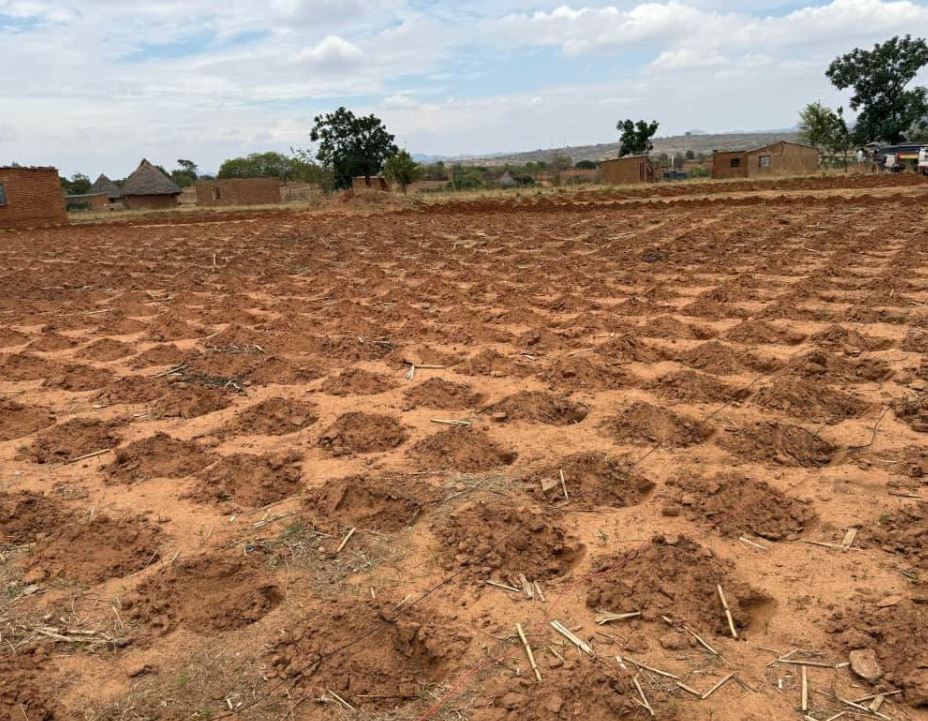
The programme promotes conservation agriculture through minimum soil disturbance, mulching and planting basins, helping farmers conserve moisture and improve the efficiency of limited rainfall.
For the 2026/27 agricultural season, the government is targeting one million hectares under Pfumvudza/Intwasa, with 16 million plots expected to be prepared.
Masuka highlighted that 710,141 hectares had been prepared, representing 71% of the area target, while 12.4 million plots had been prepared, equivalent to 77.5% of the target.
The number of farmers who had prepared the required three plots stood at 1.93 million against a target of three million, representing 64.3% progress.
The programme is particularly important in a season threatened by below-normal rainfall because it seeks to improve the ability of farmers to produce under moisture-constrained conditions.
However, crop performance will still depend on the timing and distribution of rainfall, the availability of inputs, crop selection and farmers’ ability to manage changing seasonal conditions.
Integrated financing to support drought preparedness
The third pillar centres on an integrated financing architecture intended to mobilise resources from government programmes, agricultural institutions, private businesses and farmers.
The Minister highlighted the total financing framework at US$789.2 million, with self-financing accounting for the largest share at US$479.8 million, or 60.8%.
The Public Investment Programme contributes US$212.4 million, representing 26.91%, while the private sector accounts for US$51.36 million, or 6.51%.
The National Enhanced Agriculture Productivity Scheme is listed at US$41.8 million, equivalent to 5.3%, while the Agricultural and Rural Development Authority accounts for US$22.75 million, or 2.88%.
The financing model reflects an effort to distribute the cost of agricultural production and drought preparedness across different sources rather than relying exclusively on the national budget.
This is significant given the competing demands on public finances during a drought, when government spending on food assistance, livestock support, water infrastructure and agricultural inputs can increase substantially.
Livestock protection as drought pressure intensifies
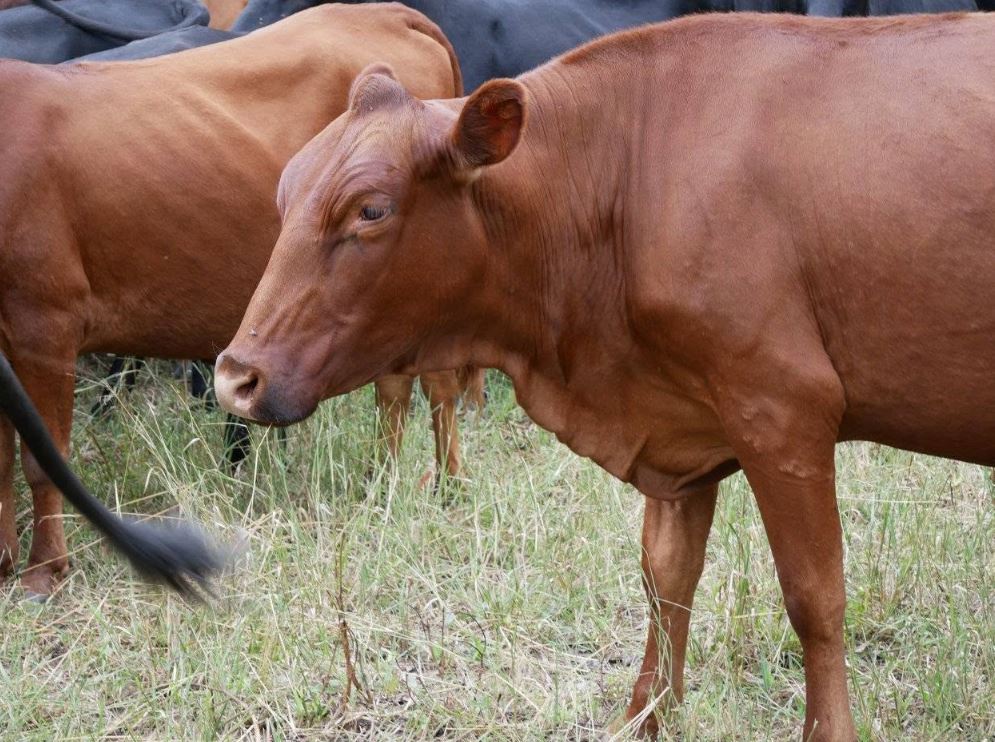
The fourth pillar addresses livestock drought mitigation, recognising the vulnerability of cattle production to prolonged dry conditions, declining pasture availability and shortages of drinking water.
Masuka’s assessment puts the national cattle population at approximately 5.76 million, of which 2.3 million animals are considered at risk.
The government estimates that 413,871 tonnes of supplementary feed would be required to support the animals identified as vulnerable.
Matabeleland South has the highest number of cattle at risk, with 511,828 animals out of a provincial population of 672,701. The estimated feed requirement for the province stands at 92,129 tonnes.
Manicaland has 386,087 cattle at risk, requiring an estimated 69,496 tonnes of feed, while the Midlands has 421,038 animals considered vulnerable, with a feed requirement of approximately 75,787 tonnes.
Masvingo has 312,019 cattle at risk, while Mashonaland Central has 293,840. The figures point to pressure across several provinces, with potentially serious implications for livestock productivity and rural incomes.
Cattle are an important source of household wealth, agricultural draught power, meat, milk and income in Zimbabwe.
Prolonged drought can weaken animals, reduce reproductive performance and increase mortality, while the loss of livestock can undermine the ability of rural households to recover after a poor agricultural season.
Enhanced imports to cushion domestic supply shortfalls
The fifth pillar focuses on enhanced imports, providing another layer of protection against potential domestic production shortfalls.
The inclusion of imports in the drought strategy reflects the need to maintain food availability when local agricultural output is insufficient to meet national requirements.
This is particularly relevant when rainfall deficits affect several agricultural regions simultaneously, reducing the amount of grain available for both household consumption and commercial markets.
The strategic grain reserve and imports serve complementary purposes. While domestic procurement can replenish national stocks when production is adequate, imports provide an alternative source of supply when local harvests fall short.
Early warning, coordination and community-level preparedness
The sixth pillar centres on coordination, early warning systems and capacity-building support, recognising that the effectiveness of drought interventions depends partly on how early risks are identified and how quickly information and resources reach affected communities.
The strategy includes the development of ward drought mitigation centres, which are intended to strengthen local preparedness and response capacity.
According to the Minister, 771 of the 1,527 targeted wards have developed drought mitigation centres, leaving 776 outstanding.
These centres form part of a broader effort to strengthen drought preparedness at community level, where households are directly exposed to shortages of water, food and livestock feed.
Early warning systems are particularly important in an El Niño-threatened season because seasonal forecasts, rainfall monitoring and agricultural advisories can help farmers and authorities make decisions before the effects of drought become severe.
For farmers, timely information can influence crop selection, planting decisions and the allocation of available resources. For government, it can inform the distribution of agricultural inputs, livestock feed and food assistance.
The remaining gap in ward-level coverage, however, indicates that a substantial proportion of targeted communities still require the infrastructure and support envisaged under the strategy.
Funding and implementation remain critical
The six pillars present a broad approach to managing drought risk, combining food reserves, climate-smart production, financing, livestock protection, imports and early warning.
Their implementation will be particularly important as Zimbabwe enters the 2026/27 agricultural season amid the possibility of an El Niño event.
The country’s exposure to climate variability is compounded by its reliance on rain-fed agriculture, which leaves several smallholder farmers vulnerable to changes in rainfall onset, distribution and seasonal totals.
While irrigation development can reduce this dependence, expanding irrigation infrastructure requires significant investment in water storage, pumping equipment, distribution systems and reliable energy supplies.
Masuka places the drought strategy within a wider agricultural development agenda, with the Ministry seeking to strengthen food security and food sovereignty, improve nutrition, enhance livelihoods and drive agriculture-led economic growth.
Discover more from CLIMATE BRIEF
Subscribe to get the latest posts sent to your email.