Staff Writer
The Ministry of Finance has proposed reducing the customs duty on electric vehicles from 25% to 10% to encourage cleaner transport and accelerate the shift toward a green economy.
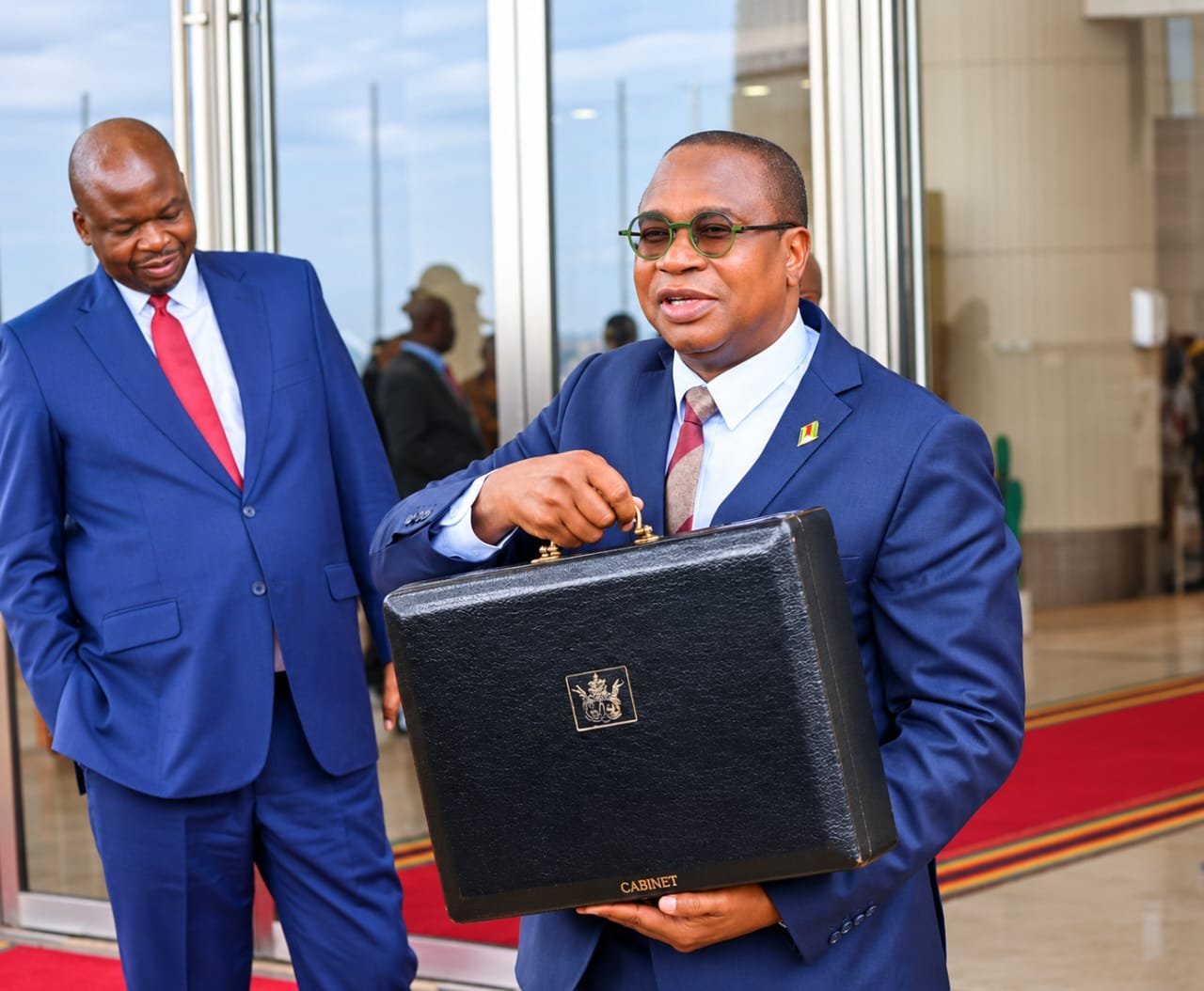
Finance Minister Mthuli Ncube said the proposed tax adjustment was part of efforts to address greenhouse gas emissions associated with fossil fuel consumption and conventional energy generation.
The treasury chief said the transition towards renewable energy and environmentally sustainable transport was important for environmental protection and energy security.
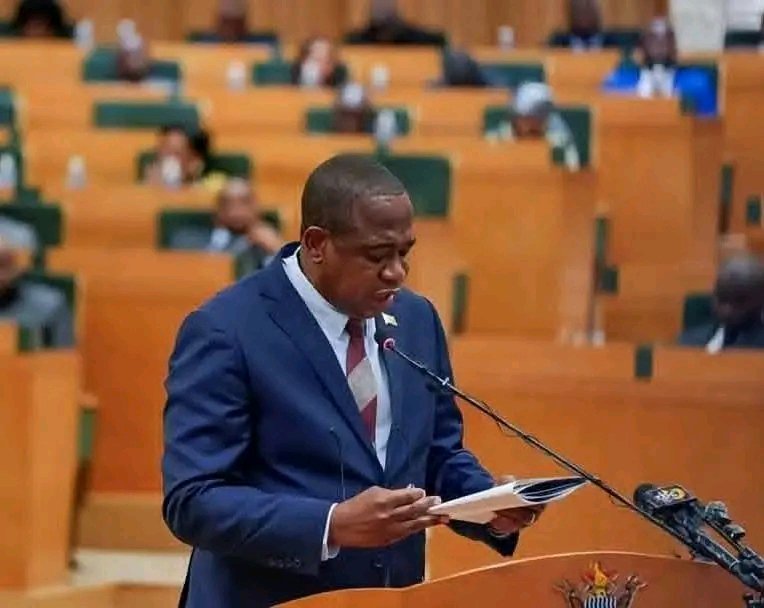
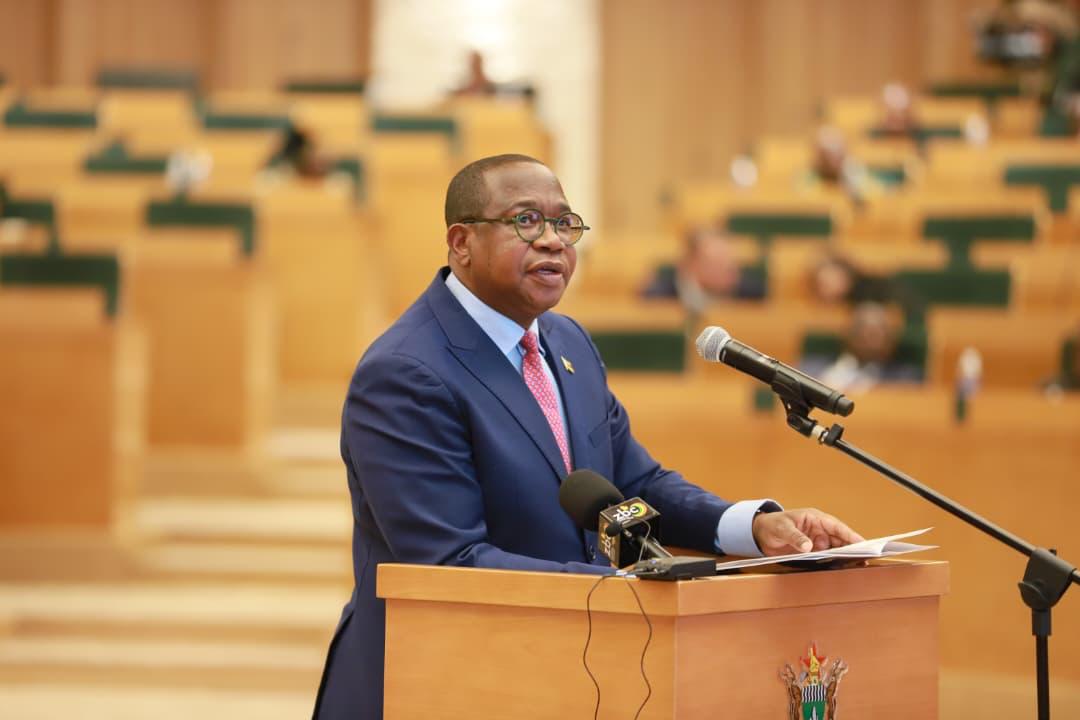
“The transition towards environmentally sustainable transport systems and renewable energy sources is, therefore, critical in promoting environmental sustainability, enhancing energy security and supporting the attainment of our climate commitments,” he said presenting the 2027 National Budget.
Government had previously reduced customs duty on electric buses and dump trucks to encourage the adoption of cleaner transport systems.
Under the 2027 budget proposal, the customs duty rate on electric vehicles and attendant infrastructure would be reduced from 25% to 10%.
Ncube said the measure was intended to lower the cost of acquiring electric vehicles and encourage the uptake of energy-efficient technologies.
He said the proposal would also support investment in environmentally sustainable infrastructure and contribute towards reducing emissions from the transport sector.
The budget further proposes a duty rebate framework covering specified equipment used in approved renewable and non-renewable power generation projects, including energy storage facilities and ancillary equipment.
Ncube said energy generation remained an important requirement for industrial development, necessitating continued investment in power infrastructure.
“I, therefore, propose to introduce a framework for both renewable and non-renewable energy generating equipment, through rebate of duty on specified equipment for the establishment and development of approved power projects including energy storage facilities and ancillary equipment,” he said.
The proposed measures come as Zimbabwe seeks to diversify its energy sources and strengthen electricity supply.
Renewable energy development has become an important component of the country’s energy security and climate policy, particularly as the government seeks to increase investment in alternative power generation.
The budget also identifies renewable energy as an area in which private-sector investment could contribute to national climate resilience objectives.
The proposed customs duty adjustments are intended to support the development of cleaner transport systems and expand investment in energy infrastructure.
Discover more from CLIMATE BRIEF
Subscribe to get the latest posts sent to your email.