Staff Writer
Zimbabwe has secured sovereign drought insurance cover of up to US$12.8 million through the African Risk Capacity (ARC) to strengthen its capacity to respond to potential climate-related fiscal shocks during the 2026/27 agricultural season.
The insurance policy, secured at a premium of US$3.4 million, is intended to provide financial protection against the risk of drought associated with the anticipated El Niño-related dry conditions.
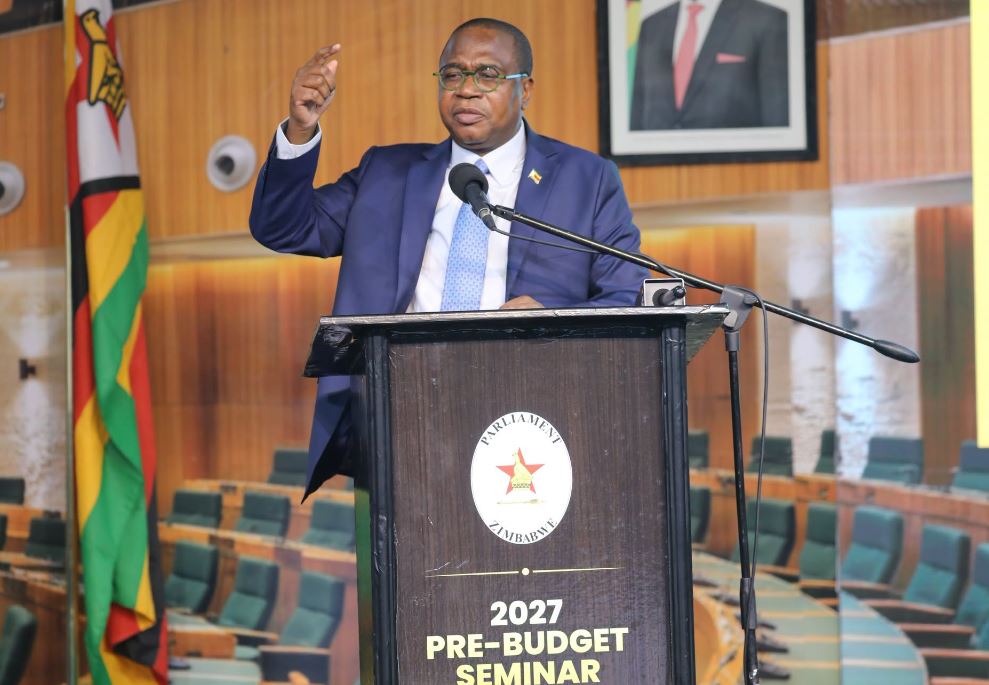
Finance Minister Mthuli Ncube disclosed the arrangement in the 2027 National Budget, adding that the subscription was part of measures to strengthen the country’s fiscal resilience.
“To strengthen fiscal resilience against El Niño-induced drought risk during the 2026/27 season, Government subscribed to the African Risk Capacity sovereign drought insurance policy at a premium of US$3.4 million, with a maximum payout of US$12.8 million,” Ncube said.
The insurance premium was financed through contributions from government and development partners.
Government contributed US$1 million, while the African Development Bank, through its Africa Disaster Risk Financing 2 programme, provided US$1.8 million. The Swiss Agency for Development and Cooperation contributed a further US$600,000.
The arrangement is complemented by replica insurance policies involving the World Food Programme and Start Network, which paid a combined premium of US$1.2 million and provide an additional US$5 million in combined insured coverage.
The complementary policies expand pre-arranged financing available to support vulnerable households affected by climate-related shocks.
African Risk Capacity is a specialised agency of the African Union established to help African countries strengthen their capacity to plan for and respond to extreme weather events and natural disasters.
Through its risk-pooling and insurance arrangements, ARC provides participating governments with access to pre-arranged financing when insured climate-related hazards trigger payouts under agreed policy conditions.
Unlike conventional disaster financing that may depend on mobilising resources after a crisis has occurred, sovereign parametric insurance is designed to provide access to funding based on predefined risk indicators and policy triggers.
For Zimbabwe, the arrangement comes as government prepares for the possibility of drought-related agricultural losses during the 2026/27 season.
The 2027 National Budget identifies climate-related shocks, particularly El Niño-associated drought conditions, as a threat to agricultural production and economic performance.
Agriculture is an important component of the country’s economy, with the sector estimated to have grown by 5% in 2026, supported by increased production of grain, milk and wheat.
However, the budget anticipates that agricultural performance could face setbacks in 2027 because of the projected impact of El Niño and associated drought risks.
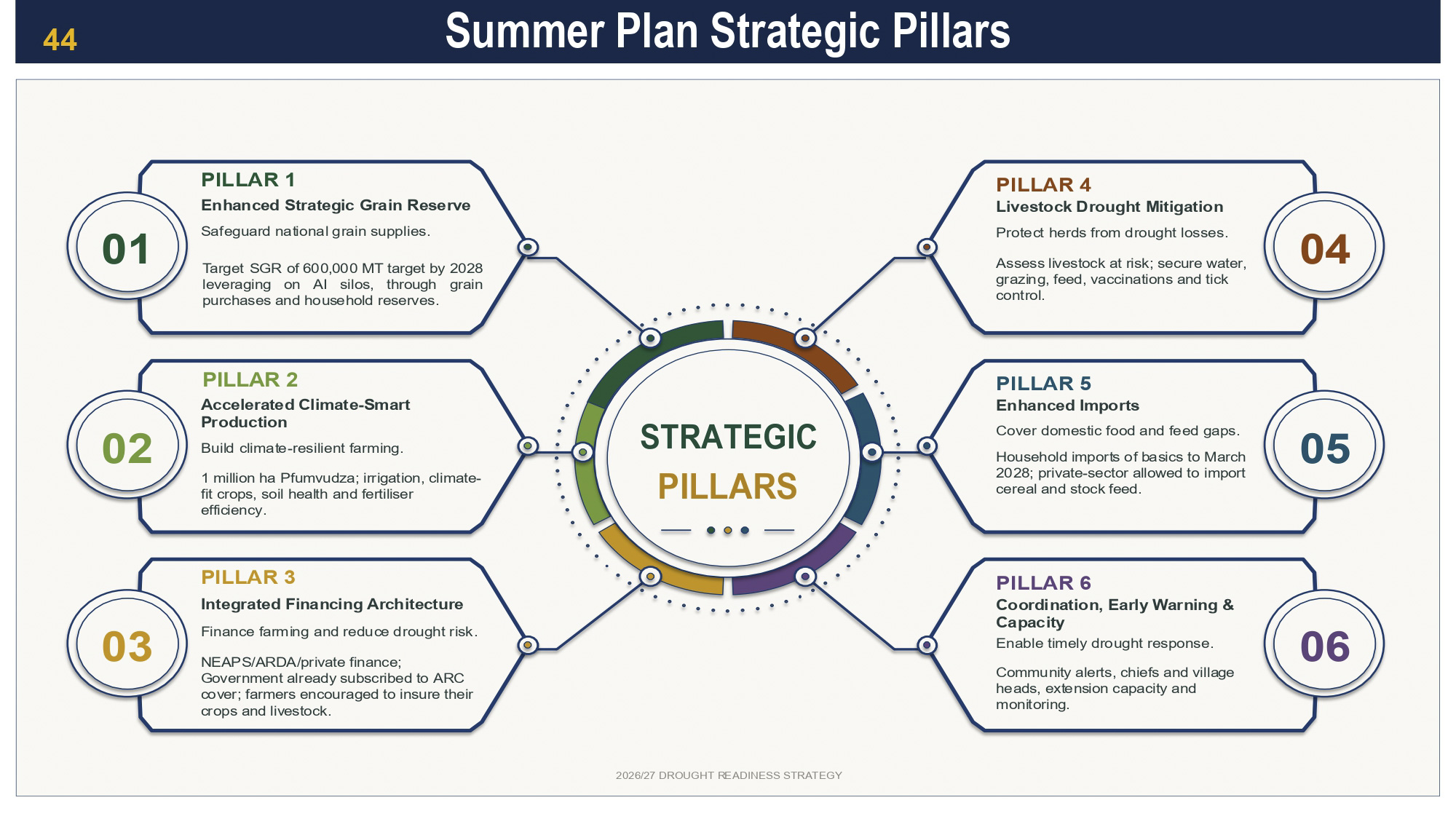
Government has consequently introduced a six-pillar drought mitigation strategy covering strategic grain reserves, climate-smart production, integrated financing, livestock drought mitigation, imports coordination and early warning systems.
The ARC insurance arrangement forms part of the broader financing measures intended to strengthen the country’s preparedness for climate-related shocks.
Discover more from CLIMATE BRIEF
Subscribe to get the latest posts sent to your email.