Staff Reporter
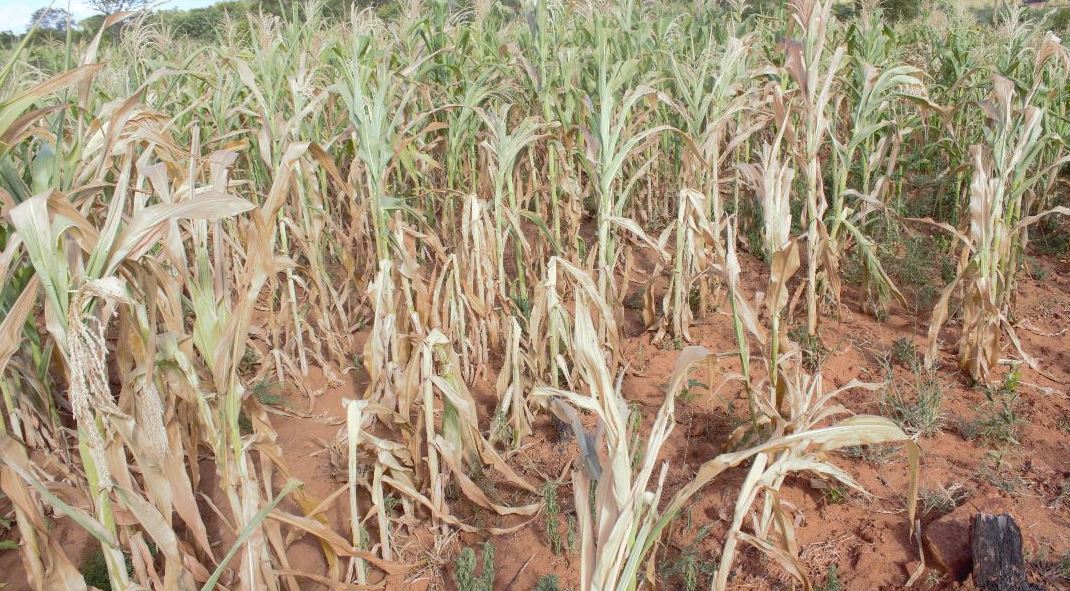
The Zambezi River Authority has reduced water allocations for power generation at the Kariba Dam for the upcoming year, citing intensifying El Niño conditions and forecasts for a severe dry spell.
The bilateral organisation, jointly owned by the governments of Zambia and Zimbabwe, approved a combined water allocation of 23 billion cubic metres (BCM) for 2027.
The new limit represents a cut from the 36 BCM utilised in 2026, forcing a tighter conservation stance as regional climate models signal mounting stress on the Zambezi River basin.
The 2027 allocation will be split equally between Zambia’s ZESCO and the Zimbabwe Power Company (ZPC), with each utility receiving 11.5 BCM.
According to the Authority’s projections, utilising this volume through 2027 will leave the reservoir at a closing lake level of 476.80 metres by December 31, 2027, holding 5.83 BCM of usable water, equivalent to 9% live storage.
“The allocation is based on forecasts of strong El Niño conditions and below-normal rainfall prevailing during the 2026/2027 rainfall season that were considered during the Southern African Climate Outlook Forum (SARCOF-33) held in Swakopmund, Namibia,” the Authority said in a statement, adding that internal inflow projections and downscaled data from national meteorological agencies also informed the decision.
“The outlook indicates an increased likelihood of below-normal rainfall across much of the central and southern parts of the Southern African Development Community region. This is linked to El Niño conditions that have developed in the tropical Pacific and are expected to strengthen.
“For southern Zambia and much of Zimbabwe, below-normal rainfall is expected during the early part of the season, with same likely to extend across most areas of both countries from January to March 2027,” the Zambezi River Authority said.
The 2027 outlook contrasts sharply with a more stable operating environment experienced through 2026. Favourable inflows from the 2025/2026 rainy season allowed the Authority to previously bump the 2026 combined water allocation up to 36 BCM.
As of October 14, 2026, Lake Kariba stood at 480.65 metres above sea level, holding 23.77 BCM of usable water, or 36.68% of capacity.
The figure marks a significant recovery from the same date in 2025, when the lake weakened at 477.34 metres with 8.25 BCM, or 12.75%, of usable storage.
With the current year drawing to a close, remaining balances on the 2026 allocation reflect active generation draws.
As of October 14, ZESCO Limited’s Kariba North Bank Power Station had a 3.53 BCM balance remaining on its 18 BCM allocation, while the Zimbabwe Power Company’s Kariba South Bank station held a 6.13 BCM balance.
The lake is expected to close out 2026 with 16.24 BCM of usable water, providing a 25.10% live storage buffer heading into January 2027.
The developments come as the SARCOF-33 consensus points to an increased likelihood of below-normal rainfall across much of the central and southern SADC region from October 2026 through March 2027.
Southern Zambia and parts of Zimbabwe are projected to experience low rainfall during the early part of the season, with dry anomalies likely persisting through the first quarter of 2027.
The Zambezi River Authority emphasised that it will continue monitoring water utilisation daily through joint technical committees with both power utilities to enforce compliance and navigate the tightening hydrological constraints.
“The Authority recognises the importance of Lake Kariba in so far as electricity supply and economic activity in both Contracting States are concerned,” the agency noted, urging regional stakeholders and the public to closely monitor updates as early adaptation planning takes effect.
Discover more from CLIMATE BRIEF
Subscribe to get the latest posts sent to your email.