Staff Writer
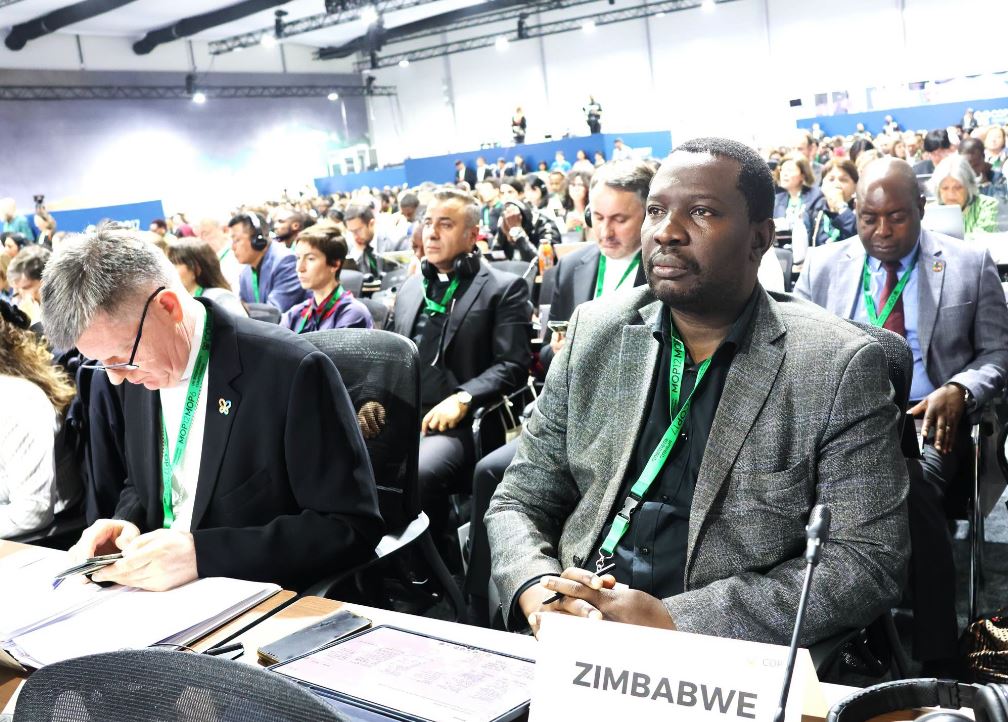
Zimbabwe’s biodiversity conservation priorities will come into focus as the 17th Conference of the Parties to the Convention on Biological Diversity (COP17) begins today, advancing international cooperation to protect ecosystems and ensure the sustainable use of natural resources.
Delegates from 196 Parties have gathered in Yerevan, Armenia, for the first major global review of progress under the Kunming-Montreal Global Biodiversity Framework.
The framework, adopted in 2022 in Montreal, established four long-term goals and 23 targets to halt and reverse biodiversity loss by 2030.
The framework includes a target to conserve at least 30% of the world’s land, inland waters, coastal areas and oceans by 2030, alongside measures to restore degraded ecosystems, reduce pollution and address the drivers of biodiversity loss.
For Zimbabwe, the discussions are relevant to the protection of forests, wetlands, wildlife and other ecosystems that support livelihoods, agriculture, tourism and economic activity.
These natural systems also provide services such as water regulation, soil protection and carbon storage, which are important for adapting to climate change.
Biodiversity and climate change are closely connected, as rising temperatures, changing rainfall patterns, droughts and extreme weather can damage habitats and threaten species.
In turn, the loss of forests, wetlands and other natural ecosystems can weaken the ability of landscapes to store carbon, regulate water and withstand climate-related shocks.
The Ministry of Environment, Climate and Wildlife said Zimbabwe remains committed to protecting its rich biodiversity and ensuring conservation contributes to sustainable development and climate resilience, making the conference an important platform for advancing efforts to safeguard the country’s natural resources.
Zimbabwe relies heavily on its biodiversity and natural capital for vital economic sectors such as agriculture, wildlife-based tourism, and forestry.
The country faces pressures from land-use change, deforestation, and climate change-induced weather extremes that threaten indigenous flora and fauna.
Effective implementation of global biodiversity targets is essential for unlocking critical international conservation finance, advancing equitable community-based natural resource management initiatives like the Communal Areas Management Programme for Indigenous Resources, and ensuring that rural communities who bear the brunt of wildlife management are adequately supported and integrated into decision-making structures.
Delegates in Yerevan have until October 30 to bridge long-standing divides on finance and implementation architecture, determine how to accelerate lagging national biodiversity strategies and action plans, and rescue the global goal of halting nature loss by the end of the decade.
Discover more from CLIMATE BRIEF
Subscribe to get the latest posts sent to your email.