Staff Writer
Zimbabwe is stepping up preparations for the 2026/27 agricultural season, with the government warning that a predicted El Niño and rising fuel and fertiliser costs could threaten agricultural production, food security and rural livelihoods.
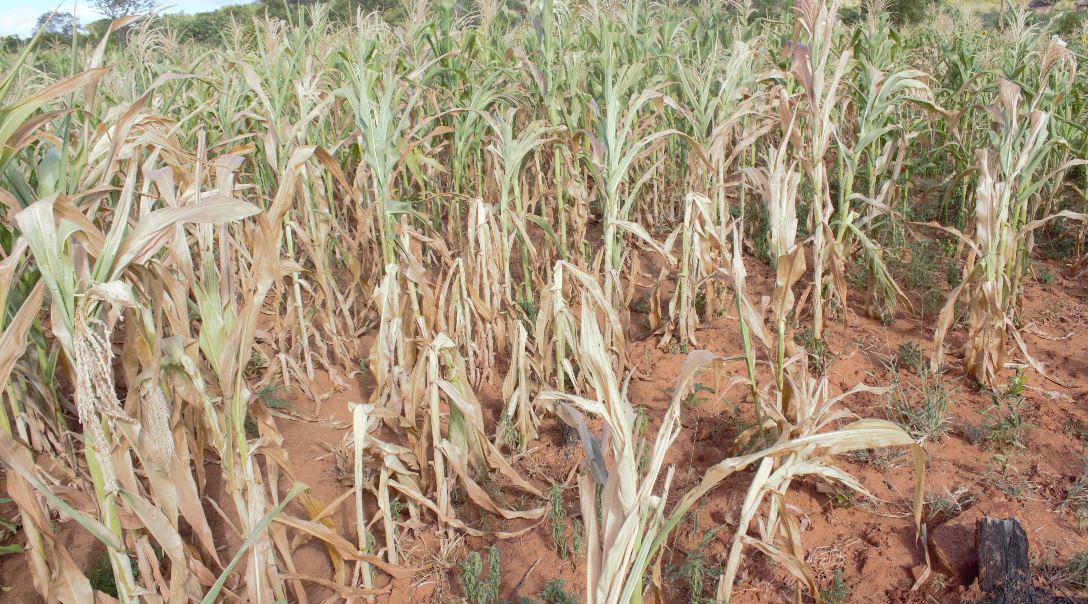
Cabinet approved an updated 2026/27 Summer Plan incorporating the Drought Plan on Tuesday, as authorities seek to strengthen the country’s resilience following the 2024/25 season, which the government described as the worst drought since 1980.
Speaking at the post-cabinet briefing this week, Information Minister Zhemu Soda said the plan identifies a predicted El Niño and geopolitical tensions that are increasing fuel and fertiliser prices while disrupting supplies as the two major threats to the coming agricultural season.
“Building on lessons from the 2024/2025 season when Zimbabwe experienced the worst drought since 1980, emphasis is being made on six interconnected strategic intervention and resilience pillars underpinning the 2026/2027 Summer Plan, thus: i) Enhanced Strategic Grain Reserve; ii) Accelerated Climate-Smart Production; iii) Integrated Financing Architecture; iv) Livestock Drought Mitigation; v) Enhanced Imports; and vi) Coordination, Early Warning Systems and Capacity Building Support,” he said.
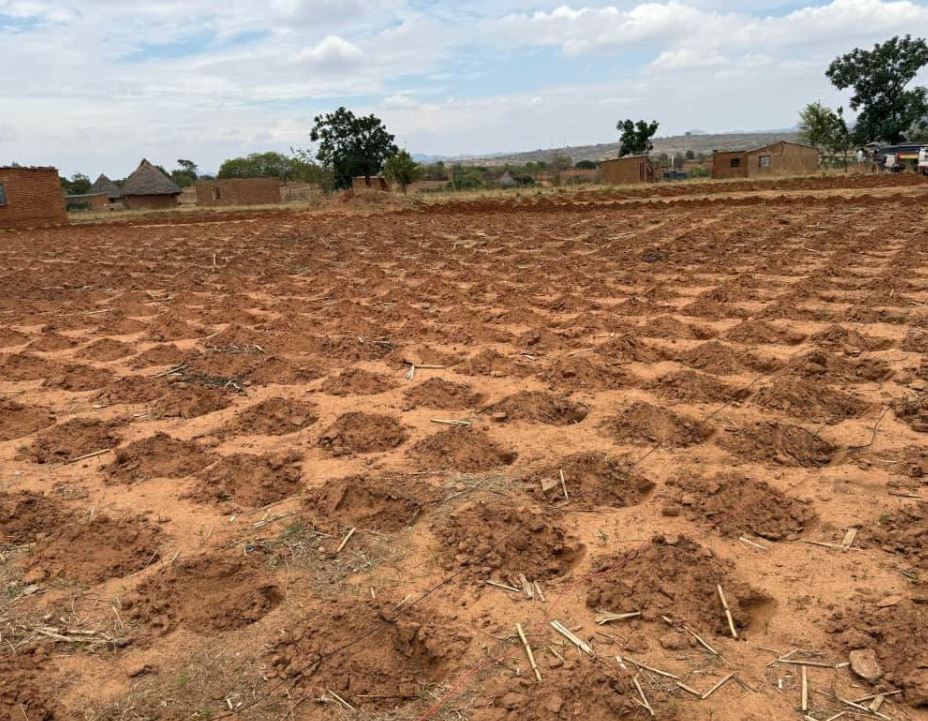
As part of the preparations, authorities are targeting 16 million Pfumvudza/Intwasa conservation farming plots during the season. The Minister said a total of 7,603,250 plots had been established, representing 47.52% of the target and covering 475,203 hectares.
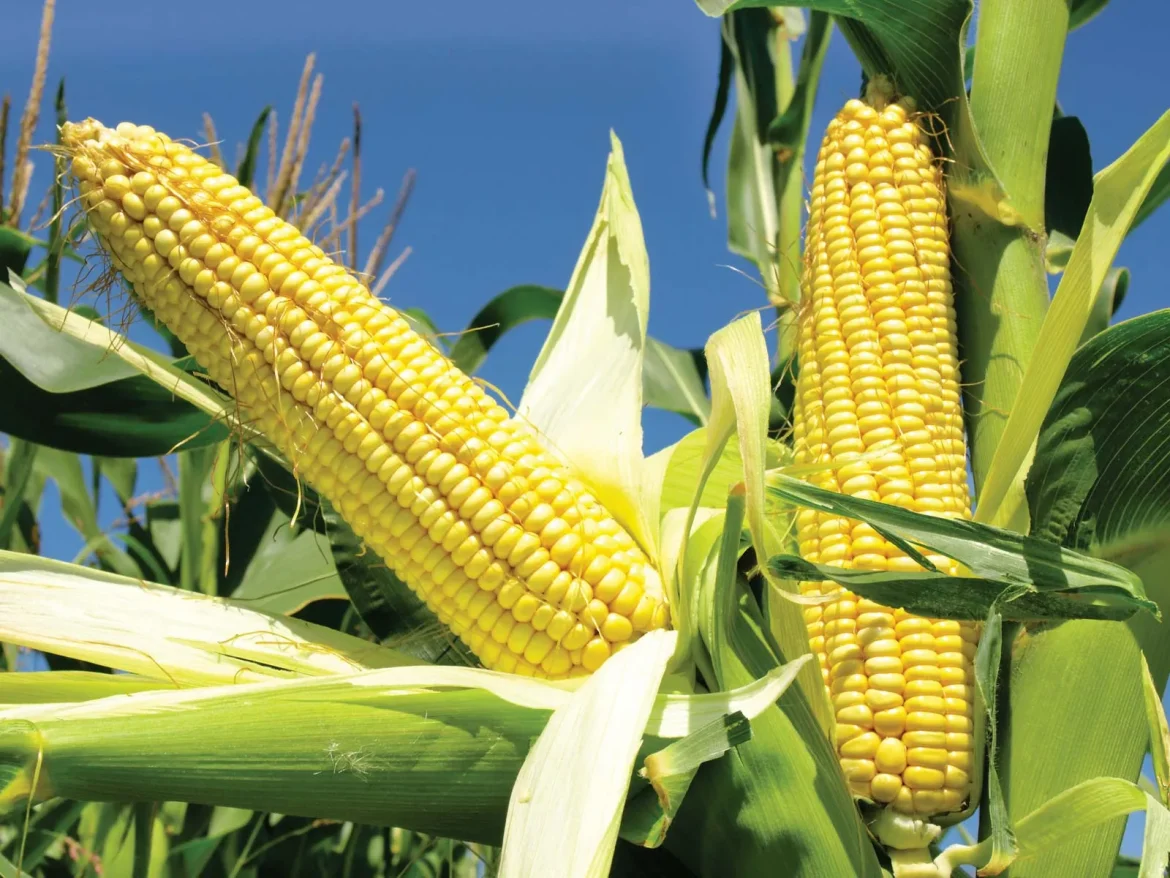
He added that the government is also prioritising irrigation development, with more than 112,000 hectares identified for maize irrigation. Soda said financing for the summer season has been mobilised from government, the private sector and self-financing farmers.
Fertiliser availability is another concern. The Minister said duty-free imports of basal and top-dressing fertilisers would be permitted to address anticipated shortages in local production, amid elevated prices and expected logistical delays.
The measures are intended to reduce the agricultural sector’s vulnerability to adverse weather conditions and disruptions to the supply of critical farming inputs.
Climate variability and drought remain major risks for Zimbabwe, where agricultural production and rural livelihoods are vulnerable to rainfall performance.
The Minister said a “Whole-of-Government and Whole-of-Society” coordination mechanism had been adopted to improve planning, information-sharing and timely action by stakeholders.
Authorities also pledged to provide periodic updates on developing weather conditions and their implications for agriculture, water, energy, animal diseases, human health, livelihoods and the economy.
Discover more from CLIMATE BRIEF
Subscribe to get the latest posts sent to your email.