Staff Writer
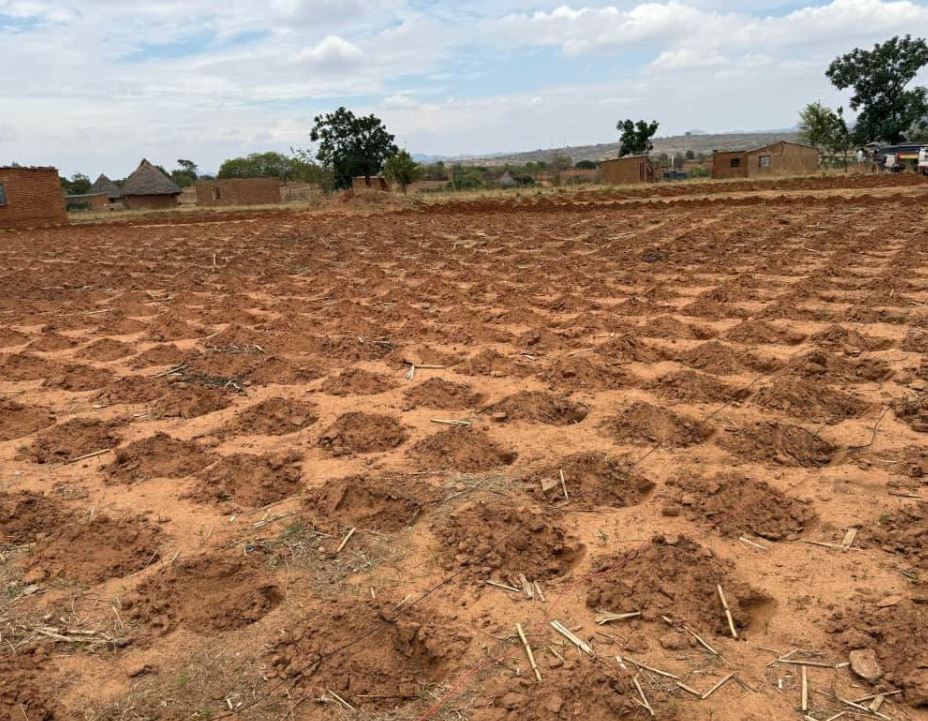
Zimbabwe is targeting 16 million Pfumvudza/Intwasa conservation farming plots in the 2026/27 agricultural season as the country prepares for a predicted super El Niño that could threaten crop production.
According to Cabinet, 7,6 million plots had been established, representing 47.52% of the target and covering 475,203 hectares.
The programme’s expansion is part of the government’s updated 2026/27 Summer Plan, which incorporates the Drought Plan, approved by Cabinet amid concerns over adverse weather conditions and rising agricultural input costs.
The Pfumvudza/Intwasa programme, introduced in the 2020/21 agricultural season, promotes conservation farming.
Its expansion is intended to strengthen agricultural production as farmers face the threat of unfavourable rainfall and uncertainty over the availability and cost of inputs.
Speaking at the post-Cabinet briefing this week, Information Minister Zhemu Soda said the conservation farming model has been adopted phenomenally since its adoption.
“Since the introduction of the Pfumvudza/Intwasa Programme in the 2020/2021 season, there has been a phenomenal adoption of this model of conservation farming,” he said.
“The targeted Pfumvudza/Intwasa plots for the 2026/2027 season is 16 million of which 7 603 250 have been established to date, reflecting 47.52% of the target and amounting to 475 203 hectares.”
He added that the coming season’s response would prioritise accelerated climate-smart agricultural production, alongside improvements to strategic grain reserves, agricultural financing, livestock drought mitigation, imports, early warning systems and coordination.
Irrigation development is also being prioritised, with more than 112,000 hectares identified for maize irrigation.
The government said financing for the summer season had been mobilised from public and private sources, including farmers financing their own operations.
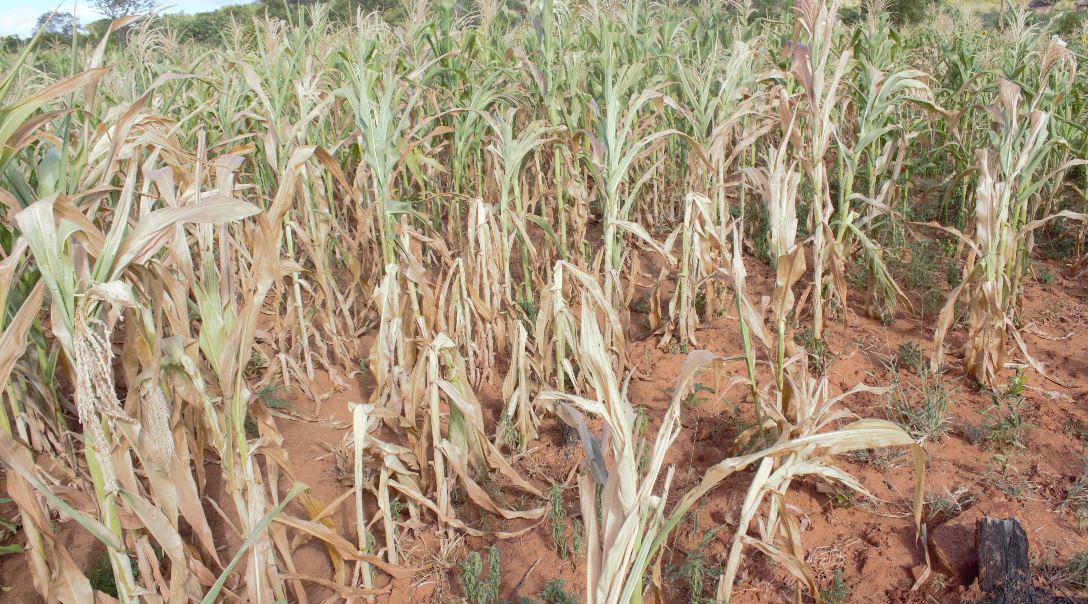
The latest preparations follow the 2024/25 agricultural season, which the government described as Zimbabwe’s worst drought since 1980.
The experience highlighted the vulnerability of agricultural production to drought and the importance of measures that support farmers in managing climate-related risks.
Zimbabwe’s projected cereal production for the 2026/27 season stands at 1,607,198 metric tonnes, against national requirements of 2,270,386 tonnes, leaving an anticipated shortfall of 663,188 tonnes.
Discover more from CLIMATE BRIEF
Subscribe to get the latest posts sent to your email.