Staff Writer
Authorities say more than 2.2 million cattle in Zimbabwe are projected to be at risk from drought in 2027, prompting the government to expand livestock mitigation measures as the country prepares for a predicted El Niño.
The government estimates that 2,236,203 cattle could be affected, according to the Minister of Information Zhemu Soda.
The strategy includes the establishment of Ward Drought Mitigation Centres in rural communities to provide livestock services during periods of drought.
“The expected number of cattle at risk from drought in 2027 is 2 236 203,” Soda said in a post-Cabinet briefing.
He added that the establishment of Ward Drought Mitigation Centres, which commenced in 2024, seeks to provide cattle dipping, feeding and marketing services in each of Zimbabwe’s 1,527 rural wards.
“Focus will also be on small stock, including goats, poultry and fisheries to enhance resilience in communities,” the Minister said.
The measures come as Zimbabwe prepares for the 2026/27 agricultural season under the threat of a predicted El Niño.
Cabinet identified the weather phenomenon, alongside geopolitical tensions affecting fuel and fertiliser prices and supplies, as two major risks facing the season.
Livestock are vulnerable to prolonged dry conditions because drought can reduce the availability of grazing and water, increasing pressure on animal health and farmers’ livelihoods.
Measures such as supplementary feeding and improved livestock management are intended to help reduce these risks.
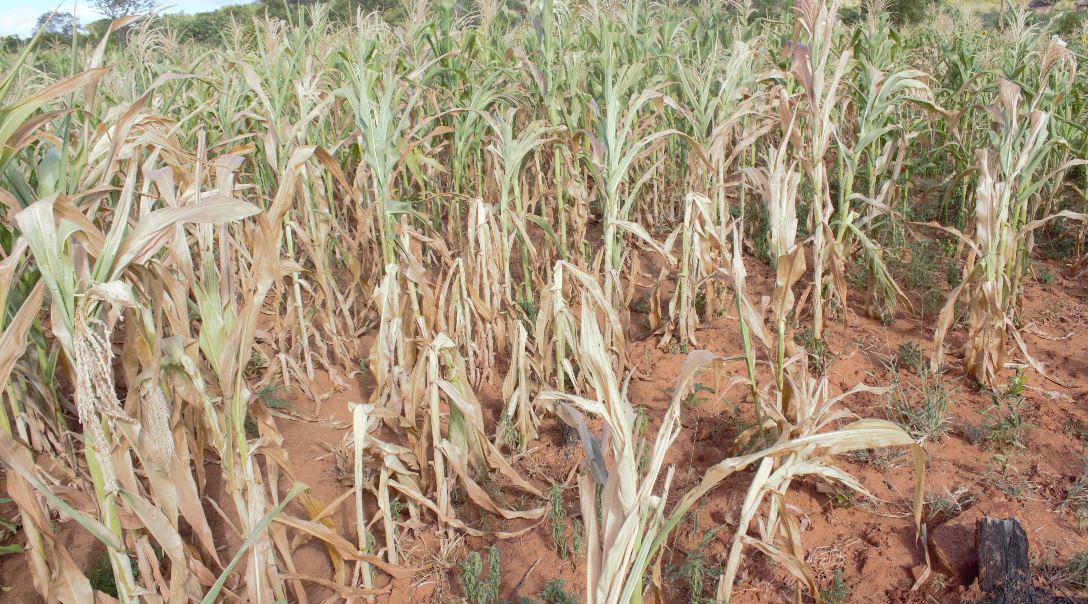
Zimbabwe’s preparations follow the 2024/25 season, which the government described as the worst drought experienced in the country since 1980.
The drought highlighted the need to protect livestock assets, which are an important source of income, food and economic security for farming households.
The updated plan places livestock protection alongside other drought-response measures, including climate-smart crop production, irrigation development, strengthened grain reserves and early warning systems.
Discover more from CLIMATE BRIEF
Subscribe to get the latest posts sent to your email.