Staff Writer
Finance Minister Mthuli Ncube says Zimbabwe’s economy is projected to moderate to 3.5% in 2027 from an estimated 5% in 2026, with the anticipated El Niño and associated drought risks expected to weigh on economic performance.
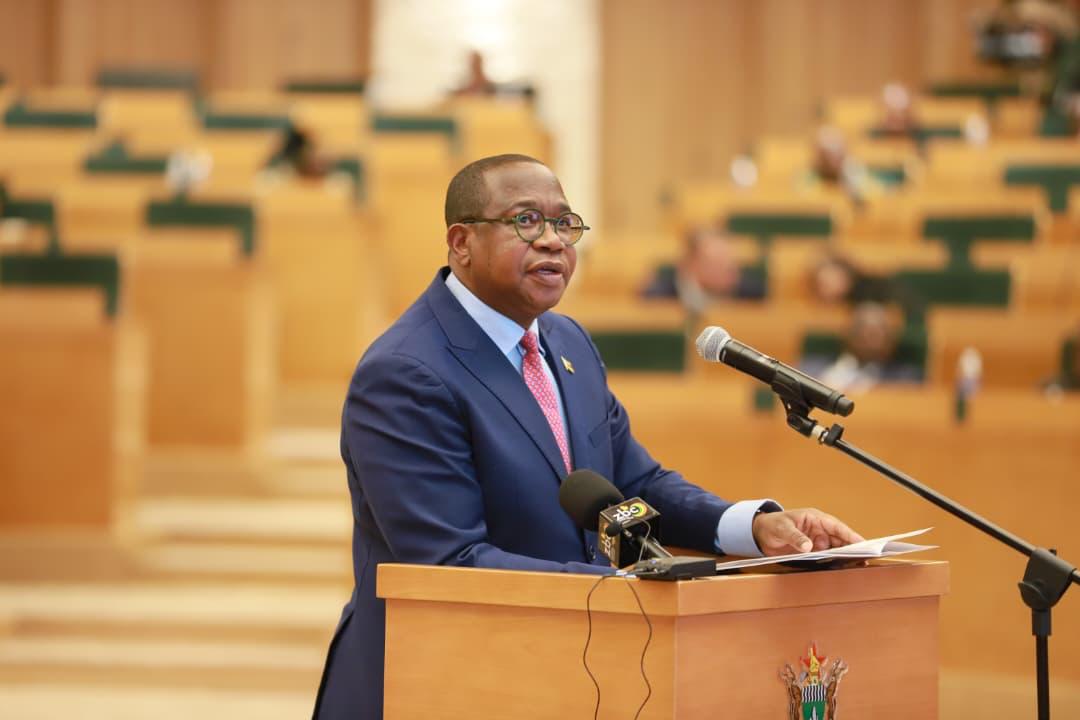
Speaking at the 2027 Pre-Budget Seminar, Ncube highlighted the expected weather shock as a key factor behind the lower growth forecast, noting the country’s economic recovery’s vulnerability to climate-related disruptions.
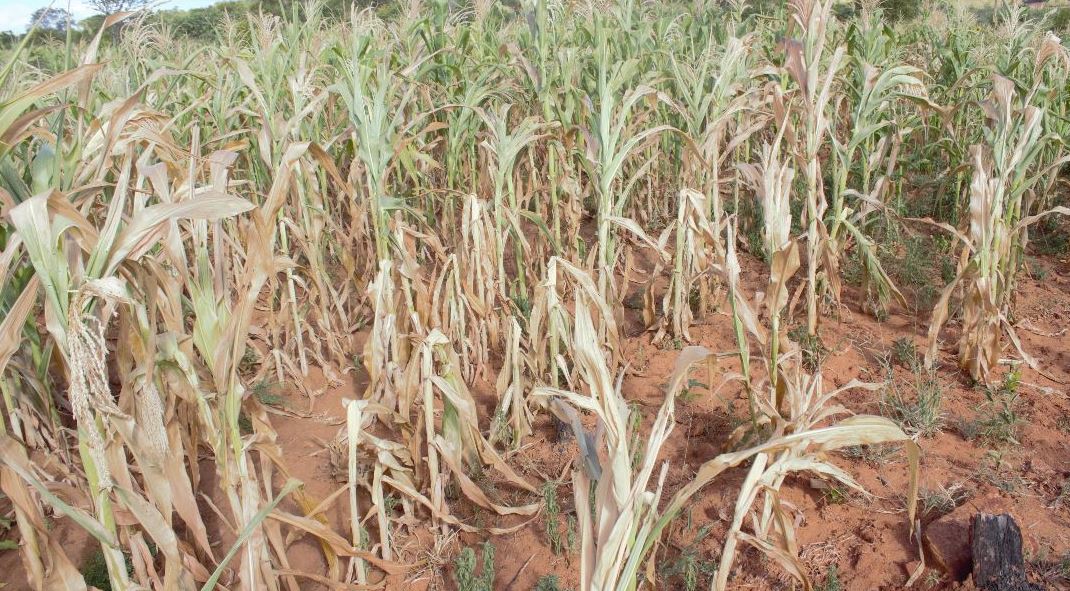
He said agriculture is particularly exposed, with the sector expected to face setbacks in the 2026/27 farming season as the anticipated El Niño threatens rainfall-dependent production.
“Going into 2027, the sector is expected to face setbacks from El Niño, which is usually associated with drought,” Ncube said.
The Minister said the sector grew by 27.9% in 2025, supported by improved agricultural conditions, climate-smart farming under the Pfumvudza/Intwasa programme and government input support.
He added that agricultural growth is projected at 5% in 2026, but the outlook for 2027 is less favourable because of the anticipated drought risk.
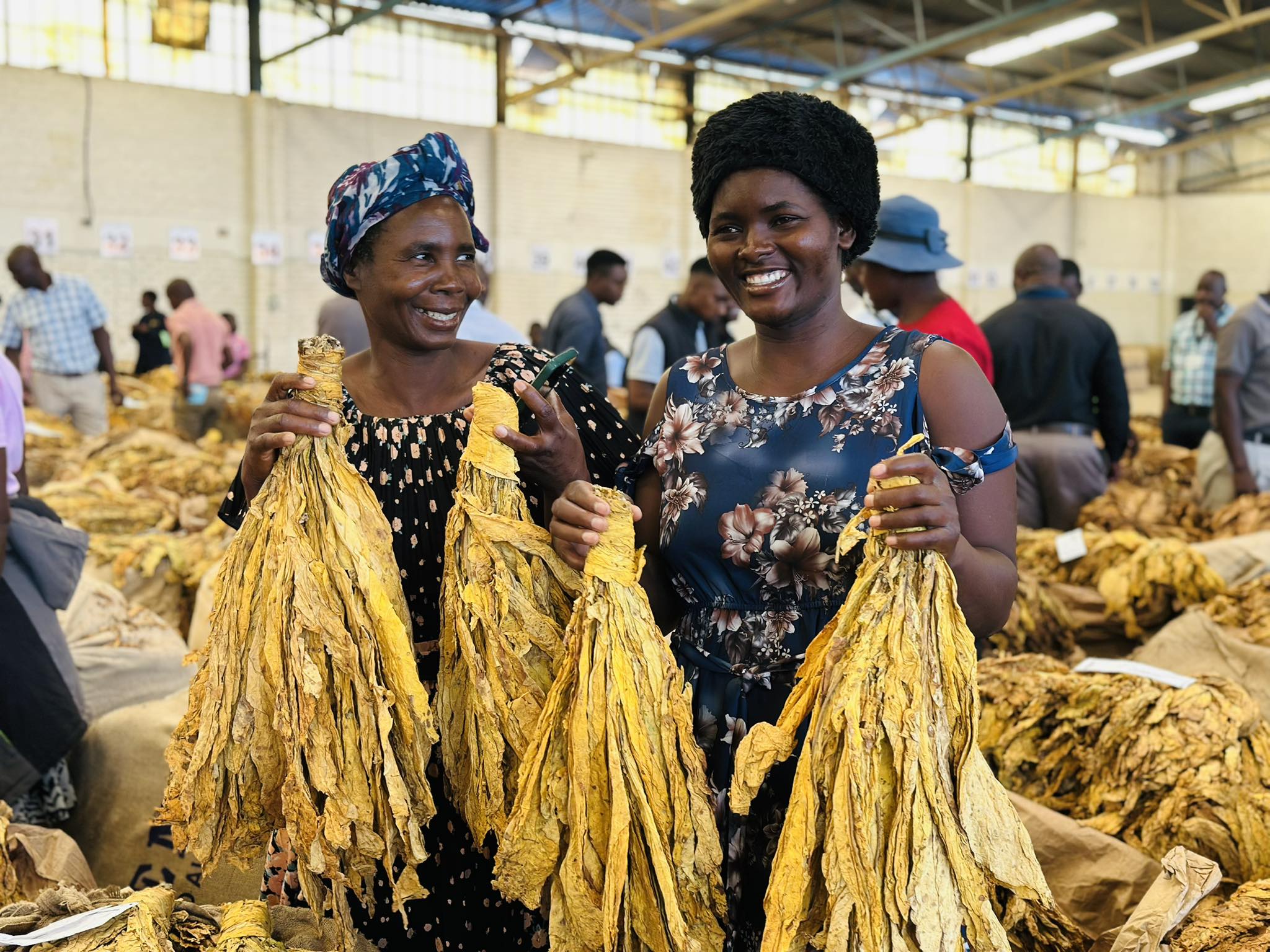
Ncube said tobacco output, a major source of agricultural export earnings, is projected to decline from a record 359 million kilogrammes in 2026 to 310 million kilogrammes in 2027 due to the expected El Niño.
To prepare for potential food shortages, he outlined a six-pillar drought response strategy that includes expanding irrigation, strengthening the Strategic Grain Reserve, supporting climate-smart production, facilitating cereal imports and improving livestock drought mitigation.
The strategy targets a strategic grain reserve of 600,000 metric tonnes by October 2027. National cereal production for the 2026/27 season is projected at approximately 1.6 million tonnes, with a potential deficit ranging from 266,881 tonnes to 541,881 tonnes, depending on seasonal conditions.
Irrigation development is expected to play a greater role in reducing dependence on rainfall.
“Our approach is anticipatory, not reactive. A Super El Niño does not automatically mean drought, but government is mobilising resources ahead of the shock from its own budget, banks, private contractors and off-takers, agricultural financing, insurance (including sovereign drought insurance) and development partners,” the Minister said.
The proposed 2027 National Budget identifies agriculture, food security, climate and environmental protection among its priority areas.
Discover more from CLIMATE BRIEF
Subscribe to get the latest posts sent to your email.