The annual United Nations climate conference brings governments together to negotiate responses to climate change, from reducing greenhouse gas emissions and mobilising climate finance to strengthening adaptation and addressing climate-related losses and damage.
The 31st Conference of the Parties to the United Nations Framework Convention on Climate Change (COP31) brings governments, international organisations, scientists, civil society groups, businesses and other stakeholders together to discuss global responses to climate change.
The conference is part of an international process through which countries negotiate agreements, review progress on existing commitments and consider measures to limit global warming and strengthen resilience to climate impacts.
But what exactly is COP31, how does the process work, and why are its negotiations important, particularly for developing countries such as Zimbabwe?
What is COP31?
COP31 stands for the 31st Conference of the Parties to the United Nations Framework Convention on Climate Change (UNFCCC).
The Conference of the Parties, commonly known as COP, is the supreme decision-making body of the UNFCCC. It brings together countries that have signed and ratified the convention to assess its implementation and negotiate collective responses to climate change.
The first COP was held in Berlin, Germany, in 1995. Since then, the conferences have been convened annually, providing a platform for governments to negotiate climate agreements, establish targets, review commitments and assess progress towards addressing the climate crisis.
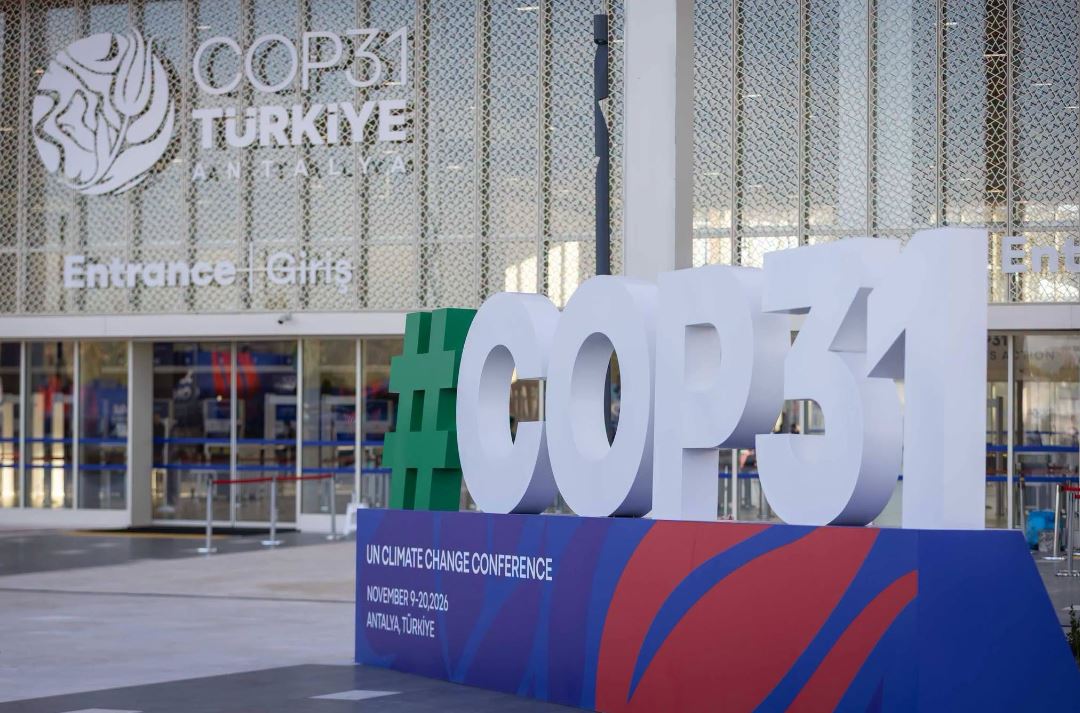
COP31 is being held in Antalya, Türkiye, from 9 to 20 November 2026.
Although governments lead the formal negotiations, the conference also attracts representatives from international financial institutions, research organisations, environmental groups, indigenous communities, the private sector and other non-state actors.
These participants contribute research, share experiences, present climate solutions and engage governments on climate-related policies and commitments.
Why was the UNFCCC established?
The UNFCCC was adopted in 1992 at the United Nations Conference on Environment and Development, commonly known as the Rio Earth Summit, in Brazil. It entered into force in 1994.
The convention established an international framework for addressing climate change by recognising the need to stabilise greenhouse gas concentrations in the atmosphere at levels that would prevent dangerous human interference with the climate system.
Greenhouse gases, including carbon dioxide, methane and nitrous oxide, trap heat in the atmosphere. Their increasing concentrations, largely resulting from human activities such as burning fossil fuels, industrial processes, agriculture and deforestation, contribute to global warming.
The convention recognises that countries have different responsibilities and capacities in addressing climate change. This principle is reflected in the concept of common but differentiated responsibilities and respective capabilities.
It acknowledges that developed countries have historically contributed more to greenhouse gas emissions and have greater financial and technological resources, while developing countries often face significant climate risks despite contributing relatively little to global emissions.
This distinction remains central to negotiations on climate finance, technology transfer and support for adaptation.
What are the major issues discussed at COP31?
COP negotiations cover several interconnected areas. These include reducing greenhouse gas emissions, adapting to climate impacts, financing climate action and addressing losses and damage.
1. Climate change mitigation
Mitigation refers to efforts to reduce greenhouse gas emissions or increase the removal of greenhouse gases from the atmosphere.
Measures include expanding renewable energy, improving energy efficiency, reducing deforestation, promoting cleaner transport and adopting low-emission industrial technologies.
Under the Paris Agreement, countries submit Nationally Determined Contributions (NDCs), which outline their climate action commitments, including emissions reduction targets and other mitigation measures.
A central issue in climate negotiations is how countries can strengthen these commitments to help limit global warming.
2. Climate change adaptation
Adaptation involves adjusting natural and human systems to actual or expected climate impacts in order to reduce vulnerability and build resilience.
This is particularly important for countries experiencing droughts, floods, heatwaves, changing rainfall patterns and other climate-related hazards.
Adaptation measures include developing climate-resilient agricultural systems, investing in irrigation infrastructure, strengthening early warning systems, improving water management and building climate-resilient infrastructure.
For countries such as Zimbabwe, adaptation is particularly important because climate variability and extreme weather events affect agriculture, water availability, food security, infrastructure and livelihoods.
3. Climate finance
Climate finance refers to funding provided to support climate change mitigation and adaptation, particularly in developing countries.
Developing nations have consistently argued that access to predictable, adequate and affordable climate finance is essential to implementing their climate commitments.
Funding can support renewable energy projects, climate-resilient infrastructure, agricultural adaptation, water security, disaster preparedness and other climate-related interventions.
Discussions also consider the sources of finance, the role of developed countries, multilateral development banks, private investment and the accessibility of funding for vulnerable nations.
The question of who pays, how much funding is mobilised and how it reaches countries that need it remains one of the most significant issues in international climate negotiations.
4. Loss and damage
Loss and damage refers to the adverse impacts of climate change that occur when mitigation and adaptation efforts are insufficient to prevent or adequately manage those impacts.
These losses can be economic or non-economic.
Economic losses include damage to homes, roads, agricultural production, infrastructure and other assets. Non-economic losses may include the destruction of cultural heritage, loss of biodiversity, displacement of communities and the disruption of traditional livelihoods.
The establishment of the Fund for Responding to Loss and Damage at COP28 in Dubai in 2023 was a significant development in international climate negotiations.
The fund is intended to assist particularly vulnerable developing countries in responding to climate-related economic and non-economic losses and damage.
5. Climate technology and capacity-building
Developing countries require access to technologies, technical expertise and institutional capacity to implement climate policies and strengthen resilience.
Climate technology includes renewable energy systems, climate information services, drought-resistant agricultural technologies, energy-efficient equipment and early warning systems.
Negotiations also consider how developing countries can access these technologies, strengthen technical institutions and develop the skills required to implement climate action.
What is the Paris Agreement and how does it relate to COP31?
The Paris Agreement is a legally binding international treaty on climate change adopted at COP21 in Paris, France, in December 2015. It entered into force in November 2016.
Its central objective is to strengthen the global response to climate change by holding the increase in global average temperature to well below 2°C above pre-industrial levels while pursuing efforts to limit the increase to 1.5°C.
The agreement requires all participating countries to prepare, communicate and maintain successive Nationally Determined Contributions.
These contributions outline national climate action plans and are expected to become progressively more ambitious over time.
The Paris Agreement also establishes frameworks for transparency, adaptation, climate finance and international cooperation.
COP31 forms part of the continuing process of implementing the agreement, assessing progress and negotiating measures to strengthen global climate action.
How are decisions made at COP?
The formal negotiations are conducted by representatives of governments that are parties to the UNFCCC.
Countries negotiate through different groups and negotiating blocs, which help coordinate positions on issues of common interest.
These include the African Group of Negotiators, the Least Developed Countries Group, the Alliance of Small Island States, the European Union and other regional and interest-based coalitions.
Negotiations take place through formal sessions, technical discussions, contact groups and high-level ministerial meetings.
Decisions under the UNFCCC are generally adopted by consensus, meaning governments work towards agreement on negotiated texts.
This process can be complex because countries have different economic circumstances, development priorities, historical emissions and capacities to respond to climate change.
While the formal negotiations are conducted by governments, observers, including civil society organisations, research institutions and businesses, participate in various conference activities and provide input into discussions.
Why does COP31 matter to Africa?
Africa contributes a relatively small share of global greenhouse gas emissions but is highly exposed to the impacts of climate change.
Across the continent, rising temperatures, changing rainfall patterns, prolonged dry spells, floods and other extreme weather events affect agriculture, water resources, infrastructure, public health and economic development.
Many African economies also depend heavily on climate-sensitive sectors, including agriculture, tourism, fisheries and natural resources.
The continent’s climate vulnerability has made climate finance, adaptation, technology transfer and loss and damage central priorities for African governments in international negotiations.
African countries also seek to ensure that global climate policies recognise their development needs, including access to reliable energy, industrialisation, infrastructure development and poverty reduction.
COP31 therefore provides an important platform for African governments to advance common negotiating positions and engage international partners on the resources required to implement climate action.
What is at stake for Zimbabwe?
For Zimbabwe, COP31 is relevant to several national development priorities, particularly agriculture, energy, water security, infrastructure and economic resilience.
The country’s vulnerability to climate variability makes adaptation an important component of its climate response.
Agriculture, which supports rural livelihoods and contributes to economic activity, is particularly exposed to changes in rainfall patterns, droughts, heat stress and other climate-related risks.
Investments in irrigation, water infrastructure, climate information services, resilient agricultural practices and early warning systems are among the measures that can strengthen the sector’s capacity to respond to climate impacts.
Climate finance is another important consideration. Access to affordable funding can support investments in renewable energy, climate-resilient infrastructure, water management and adaptation programmes.
Zimbabwe’s energy transition also forms part of the broader climate discussion. Expanding renewable energy capacity, improving energy efficiency and developing cleaner energy systems can contribute to mitigation objectives while supporting energy security.
International climate negotiations also provide an opportunity for Zimbabwe to engage on technology transfer, capacity-building and financial support for implementing its national climate commitments.
The outcomes of COP31 will therefore be relevant to the country’s efforts to align climate action with its wider economic and development priorities.
What happens after COP31?
The conclusion of a COP conference does not mark the end of the international climate process.
Agreements reached during the conference are taken forward through national policies, climate action plans, financing arrangements and subsequent international negotiations.
Countries are expected to implement their commitments under the UNFCCC and the Paris Agreement, while reporting on progress through established transparency and reporting frameworks.
Progress is also assessed through processes such as the Global Stocktake, which evaluates collective progress towards achieving the objectives of the Paris Agreement.
The next conferences provide opportunities for governments to review implementation, address outstanding issues and negotiate further measures.
Ultimately, the effectiveness of COP31 will depend not only on the decisions reached in Antalya but also on how those decisions are translated into practical action at national and international levels.
Discover more from CLIMATE BRIEF
Subscribe to get the latest posts sent to your email.