Staff Writer
The United Nations Economic Commission for Africa (UNECA) has urged governments and financiers to move from pledges to funded execution as Africa faces an annual US$246 billion climate funding shortfall.
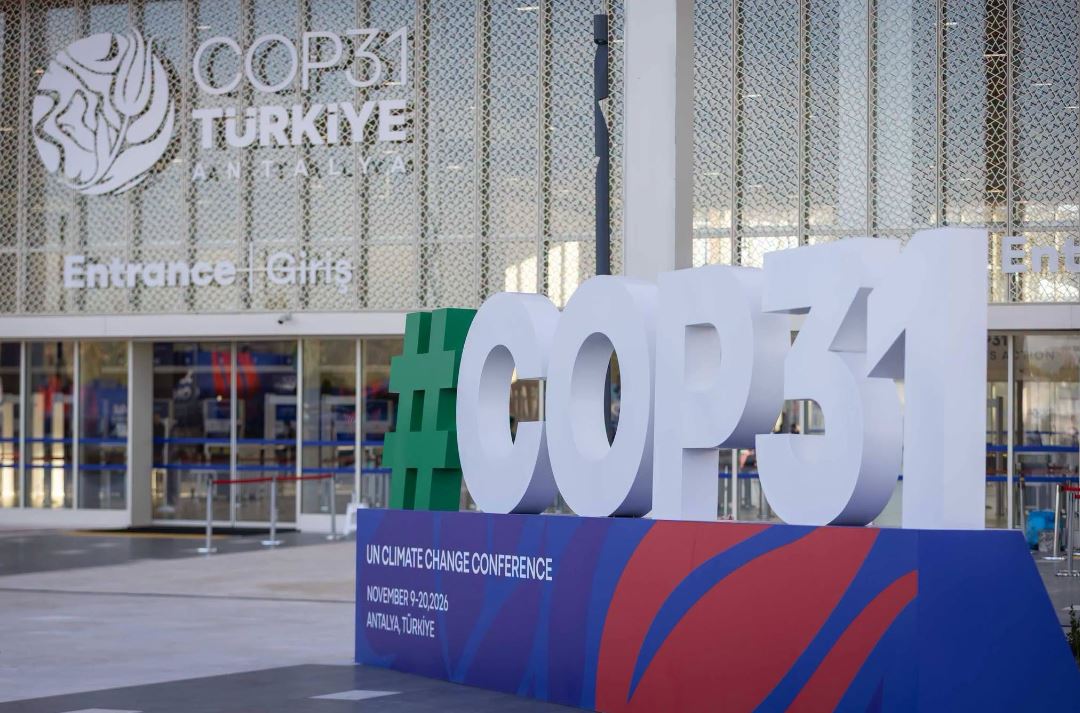
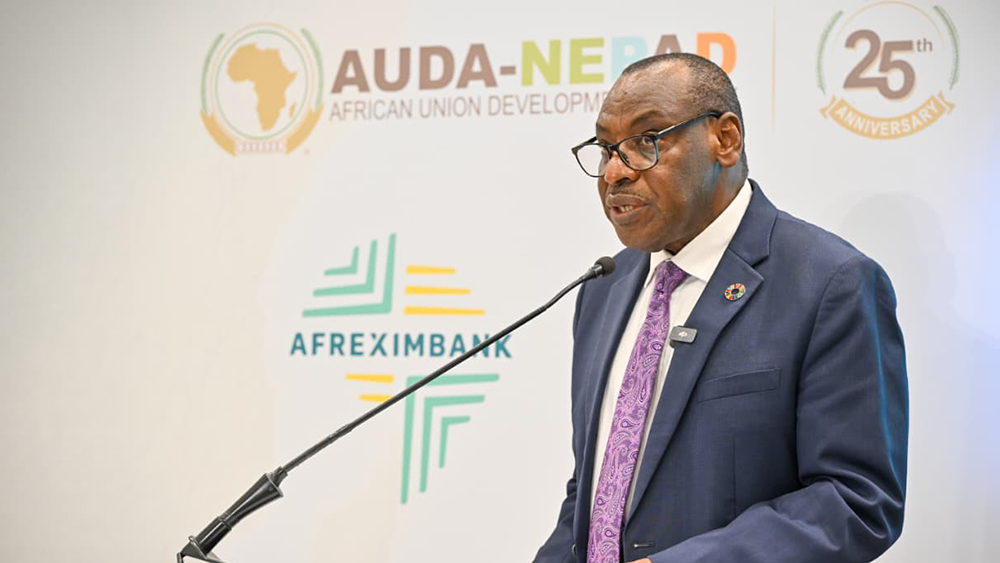
Speaking at the Africa Pavilion during the COP31 climate summit in Antalya, UNECA Executive Secretary Claver Gatete warned that global climate initiatives risk stalling after host presidencies hand over power.
He highlighted that climate-related impacts are costing some African countries an average of 5% of their gross domestic product, while forcing some governments to divert up to 9% of their national budgets to respond to extreme weather events.
While African nations require an estimated US$277 billion per year through 2030 to implement their nationally determined contributions (NDCs) under the Paris Agreement, he said current financial flows cover only about 11% of that total.
“At each COP, new climate initiatives are announced. Some make considerable progress. Others struggle to maintain momentum once the Presidency that launched them has handed over,” Gatete told ministers, climate champions, and panelists.
“Meanwhile, across Africa, communities are facing increasingly severe climate impacts, often without adequate resources to respond.”
He noted that the Africa is warming at approximately 0.3 degrees Celsius per decade, with 2024 ranking among the continent’s warmest years on record.
The warning comes during the second day of the November 9–20 UN climate negotiations in Türkiye, where disagreements over financial commitments from wealthier nations and the adaptation funding gap have already tested diplomatic talks.
Gatete noted that elevated international borrowing costs are compounding the crisis by draining public funds needed for essential services.
“Climate financing must ease these pressures rather than deepen them, while supporting investment in resilience, energy access and economic growth,” he said.
Nearly 500 cooperative climate initiatives involving governments, businesses, investors, and civil society have been launched since the 2015 Paris Agreement.
At COP30 in Belém, Brazil, last year, organisers consolidated work from over 480 initiatives under the Global Climate Action Agenda, resulting in 120 Plans to Accelerate Solutions by June 2026. However, Gatete pointed to a 2025 assessment by the Council on Energy, Environment and Water that reviewed 203 cooperative initiatives and found that only 28% possessed dedicated budgets.
To prevent future pledges from fading, Gatete proposed three structural reforms for global climate initiatives.
He called for permanent institutional homes that outlast annual COP presidencies, dedicated financing through development finance institutions to build investment-ready projects, and practical, transparent reporting with clear timelines.
“Political leadership can bring governments, institutions and investors together, but implementation often takes years,” Gatete said. “Without clear institutional ownership, even promising initiatives can lose momentum when leadership changes.”
The COP31 Presidency, led by Turkish Environment Minister Murat Kurum alongside Australian negotiation president Chris Bowen, has introduced the Climate Implementation Bridge to convert national climate commitments into bankable projects.
Ethiopia, which secured the endorsement of the African Group to host COP32 in November 2027, has been named one of the program’s first five pilot countries.
Discover more from CLIMATE BRIEF
Subscribe to get the latest posts sent to your email.