Staff Writer
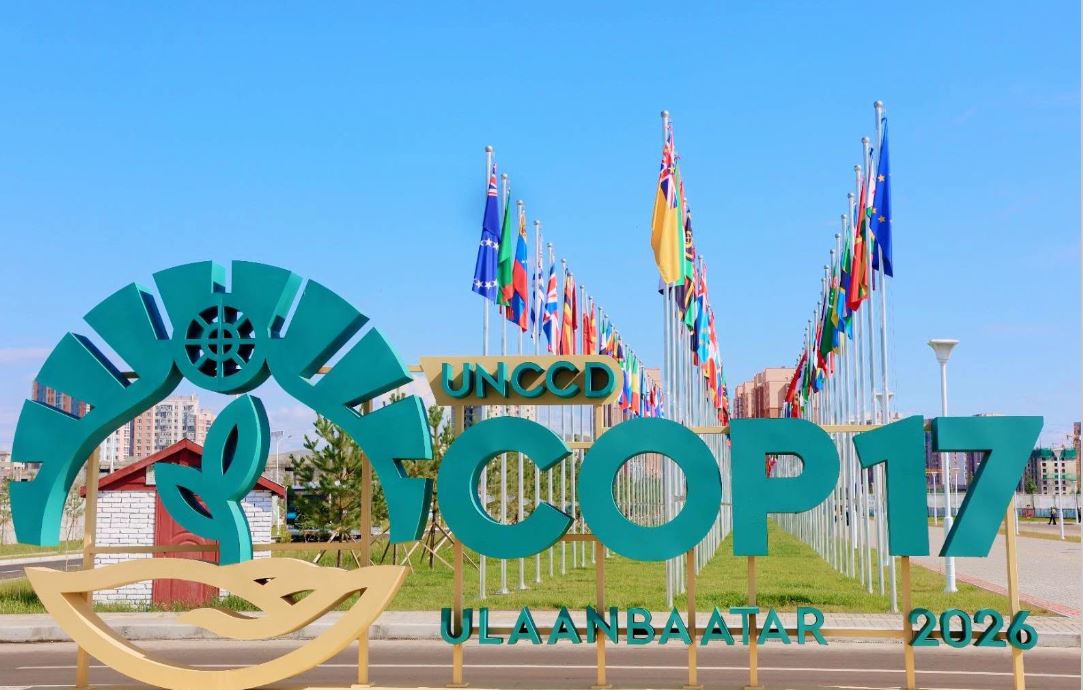
The 17th Conference of the Parties to the UN Convention on Biological Diversity (COP17) concluded with global consensus on key biodiversity governance, benefit-sharing, and conservation-financing frameworks.
The two-week summit, held in Yerevan, Armenia, saw developing nations successfully push for equitable access to environmental revenue streams and local governance protections.
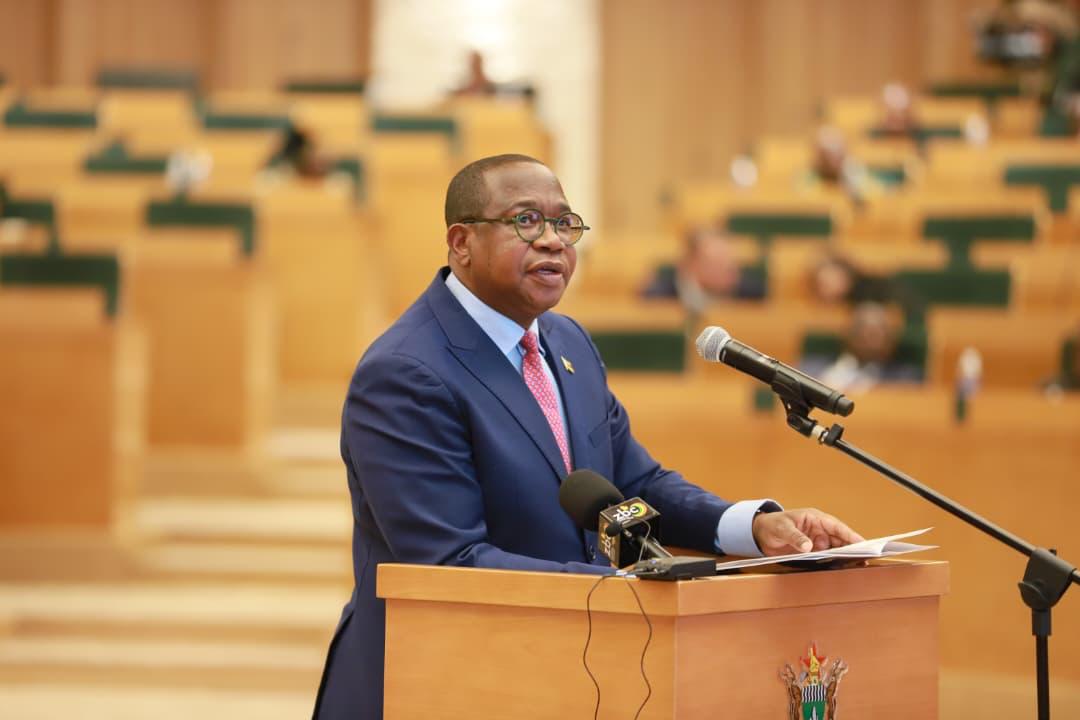
Throughout the summit, Zimbabwe’s Ministry of Environment, Climate and Wildlife championed fair financing structures and indigenous community inclusion, positioning the nation to capture new revenue streams for its expanding national biodiversity economy.
The Ministry of Environment, Climate and Wildlife said Zimbabwe worked with other developing countries to advance equitable access to biodiversity financing and ensure that communities and countries providing genetic resources benefit from their commercial exploitation.
One of the significant outcomes was progress towards operationalising the Cali Fund, a global mechanism established to ensure that companies benefiting commercially from digital sequence information on genetic resources contribute towards biodiversity conservation.
The mechanism targets companies in sectors such as pharmaceuticals, cosmetics and biotechnology, with an expectation that large commercial beneficiaries contribute 1% of profits or 0.1% of revenue to the fund.
COP17 agreed that 50% of contributions to the fund would be allocated directly to national governments, while the remaining half would go to Indigenous Peoples and Local Communities.
The decision is significant for biodiversity-rich developing countries such as Zimbabwe, where genetic resources and biological diversity provide opportunities for research, innovation and commercial applications, but where the financial benefits have not always translated into adequate resources for conservation and local communities.
The conference also established an intersessional open-ended working group to review contribution pathways and address challenges affecting the implementation of the Cali Fund.
Zimbabwe also secured a governance concession on Article 8(j) of the Convention, which deals with the protection of traditional knowledge, innovations and practices of Indigenous Peoples and Local Communities relevant to biodiversity conservation and sustainable use.
Delegates finalised the structure of a new subsidiary body dedicated to matters concerning these groups, with Zimbabwe and partner countries successfully advocating for equal representation of Indigenous Peoples and local communities.
The arrangement is intended to strengthen the participation of communities in international biodiversity decision-making, particularly on issues involving traditional knowledge and the use of biological resources.
For Zimbabwe, where communities play a central role in managing natural resources through communal conservancies, community-based natural resource management programmes and other conservation initiatives, stronger representation could help improve their participation in decisions affecting local livelihoods and the distribution of conservation benefits.
Financing remained another major point of contention, with developed and developing countries divided over responsibility for meeting the growing costs of biodiversity protection.
Zimbabwe and other developing countries defended the principle of Common But Differentiated Responsibilities, which recognises that countries have different capacities and historical responsibilities in addressing global environmental challenges.
The final decision invites non-traditional donors, including emerging economies, to contribute to biodiversity financing on a voluntary basis, rather than imposing mandatory financial obligations on them, while maintaining the responsibilities of traditional donors.
Developing countries also pushed for reforms to the global biodiversity financing architecture, arguing that direct access to funding should not depend exclusively on intermediary institutions such as the Global Environment Facility.
However, COP17 adopted a compromise decision calling for a comprehensive study to assess the most effective institutional arrangements for improving access to biodiversity finance.
The outcomes come as countries work towards implementing the Kunming-Montreal Global Biodiversity Framework, adopted in 2022, which sets out 23 targets to halt and reverse biodiversity loss by 2030.
The framework includes commitments to conserve at least 30% of the world’s land and inland waters, as well as 30% of marine and coastal areas, by 2030, alongside measures to restore degraded ecosystems, reduce pollution and mobilise financial resources for conservation.
Zimbabwe’s biodiversity resources include wildlife, forests, wetlands, indigenous plant species and freshwater ecosystems, which support livelihoods, tourism, agriculture and other economic activities.
The country has increasingly sought to position biodiversity conservation as an economic opportunity through the development of its Zimbabwe Biodiversity Economy Initiative, which aims to unlock the economic value of biological resources while ensuring their sustainable use.
The Ministry said the COP17 outcomes reinforced the country’s national conservation agenda and could help create an enabling environment for expanding the biodiversity economy through international benefit-sharing arrangements and stronger community participation.
Discover more from CLIMATE BRIEF
Subscribe to get the latest posts sent to your email.