The Tobacco Industry and Marketing Board (TIMB) has introduced mandatory environmental, social, and governance (ESG) compliance requirements across Zimbabwe’s tobacco sector for the 2026/27 season, linking contractor and merchant licensing directly to verified sustainability metrics.
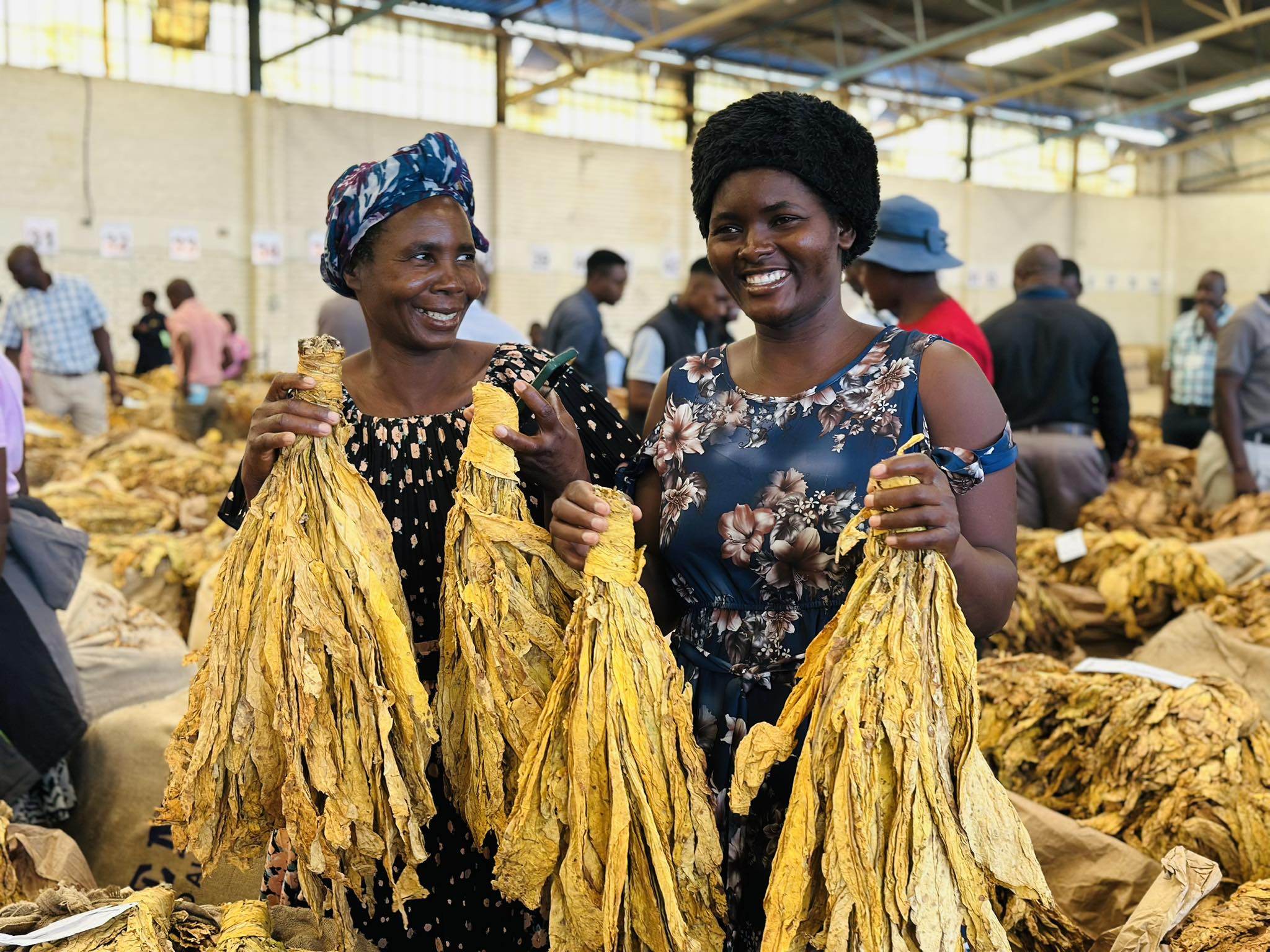
The regulatory shift comes as the nation’s tobacco harvest reached a record 359.1 million kilograms in 2026 under the Tobacco Value Chain Transformation Plan II.
While the historic output boosted national export earnings, rapid production expansion has intensified deforestation for curing fuel, strained agricultural labour systems, and elevated supply chain compliance risks in international export markets.
“Zimbabwe’s tobacco sector has already proved that it can grow,” TIMB said in a statement. “The next test is whether it can grow responsibly. By making ESG performance measurable at farm, contractor and merchant level, TIMB is protecting forests, people, grower incomes and the market reputation on which future exports depend.”
Under the framework, growers, contractors, and merchants must demonstrate measurable reductions in forest depletion, hazardous chemical management, and worker protection.
Field observations will be validated centrally by Technical Supervisors through a digital monitoring platform, replacing self-reported compliance checklists.
To address deforestation driven by tobacco curing, where traditional curing barns consume approximately 8 kilograms of indigenous firewood per kilogram of cured leaf, TIMB is accelerating the rollout of fuel-efficient barn technologies in partnership with Kutsaga.
Systems such as the KCC1, Rocket Barn, and Twin Turbo lower wood consumption to 4 kilograms or less per kilogram of leaf.
Coal usage is restricted to a controlled transitional fuel subject to documented phase-down schedules, while field trials for liquefied petroleum gas and solar-powered curing infrastructure are underway with GasCure and Kutsaga.
Furthermore, TIMB has proposed a regulatory measure requiring contractors to invest at least 1.5% of their annual gross leaf purchases into auditable afforestation and reforestation programs.
Afforestation compliance will be evaluated on tree survival rates rather than seedling distribution totals, focusing on fast-growing exotics, indigenous varieties, and fruit trees protected by active fireguards.
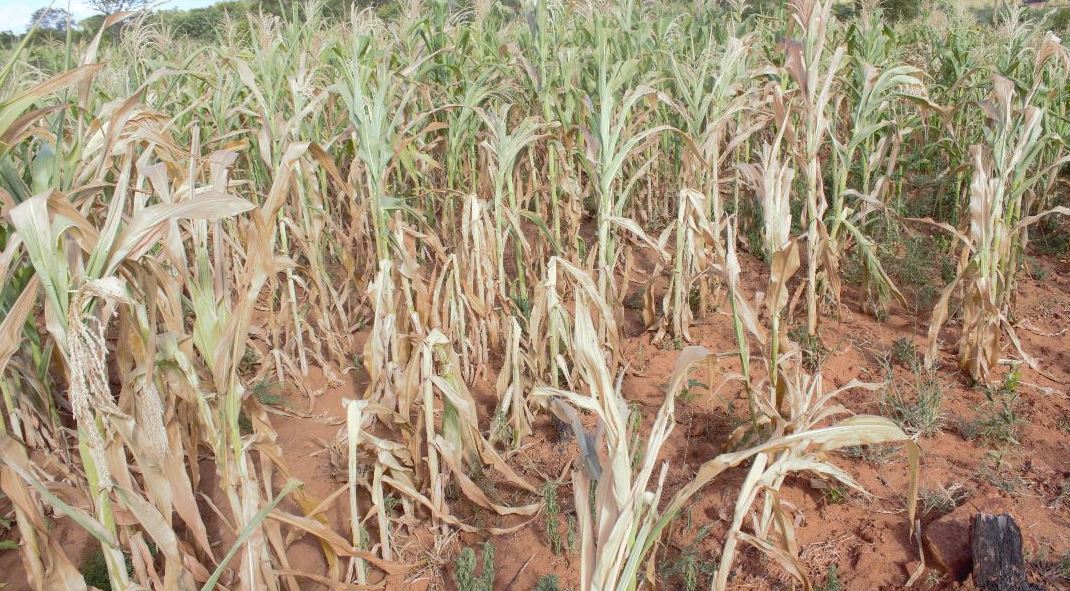
At the farm level, producers face stricter climate adaptation mandates in response to forecasted Super El Niño dry conditions.
Guidelines require growers to adopt water harvesting, efficient irrigation, mulching, and drought-tolerant seed varieties, including KRK71, KRK75, T78, T79, T80, and T81.
Crop Protection Agent containers must undergo triple-rinsing and collection through certified recycling networks.
Social compliance is governed by the Agricultural Labour Practices Code 2.0, establishing strict prohibitions against child labour, forced labour, and unsafe working conditions.
Contractors are held administratively liable for worker safety and labour standards within their supply chains, while rights-holders and local communities gain access to formal grievance mechanisms.
To enforce governance standards, TIMB is deploying an automated ESG benchmarking system.
The platform evaluates contractors and merchants across environmental indicators, validated labour monitoring, personal protective equipment distribution, annual sustainability reporting, and financial transparency, including input cost caps and average buying prices, to curb unfair pricing practices.
Discover more from CLIMATE BRIEF
Subscribe to get the latest posts sent to your email.