Millions of people across Southern Africa are facing severe food insecurity, malnutrition, and water shortages as a rapidly intensifying El Niño threatens to trigger widespread drought and heat stress during the upcoming 2026/27 agricultural season, a new report shows.
According to an emergency preparedness alert released by the United Nations Office for the Coordination of Humanitarian Affairs (OCHA) in coordination with regional food security partners, a climate driver in the Pacific Ocean is forecast to reach exceptional strength between July 2026 and March 2027.
The agency highlighted a greater than 90 percent likelihood of the phenomenon reaching “very strong” intensity, with a 70 percent chance that rainfall deficits from October to December 2026 will surpass any recorded during major El Niño events since 1950.
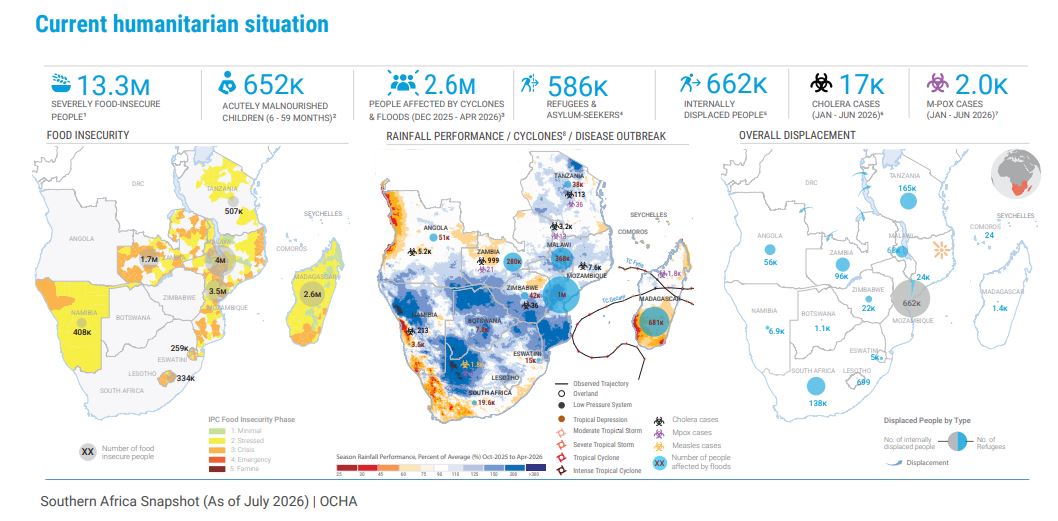
The impending climate shock arrives as 13.3 million people across the region are already suffering from acute food insecurity, despite modest improvements in harvests earlier in the year.
OCHA warned that the drought will hit communities before they can recover from past shocks, compounding existing vulnerabilities.
Malnutrition remains acute, according to OCHA, with an estimated 652,000 children aged 6 to 59 months experiencing severe wasting, while active cholera outbreaks in seven countries and persistent mpox cases continue to strain local healthcare capacity.
Countries classified under the highest level of concern include Madagascar, Malawi, and Mozambique. In Malawi, where 4 million people face severe food insecurity, smallholder farmers face projected cereal crop losses exceeding 30 percent due to prolonged dry spells.
Mozambique, which is supporting 3.5 million food-insecure residents alongside 662,000 internally displaced people in Cabo Delgado, is bracing for severe deficits across its central and southern agricultural belts.
High concern levels are also flagged for Zimbabwe, Zambia, and Angola. In Zimbabwe, where smallholder agriculturalists are still rebuilding after previous harvest failures, food security is expected to deteriorate from Stressed to Crisis levels between October 2026 and January 2027 as high fuel and transport costs exacerbate food shortages.
Pastoralist and agropastoralist communities in southern Angola face declining pasture conditions and diminished livestock milk production, escalating acute malnutrition risks.
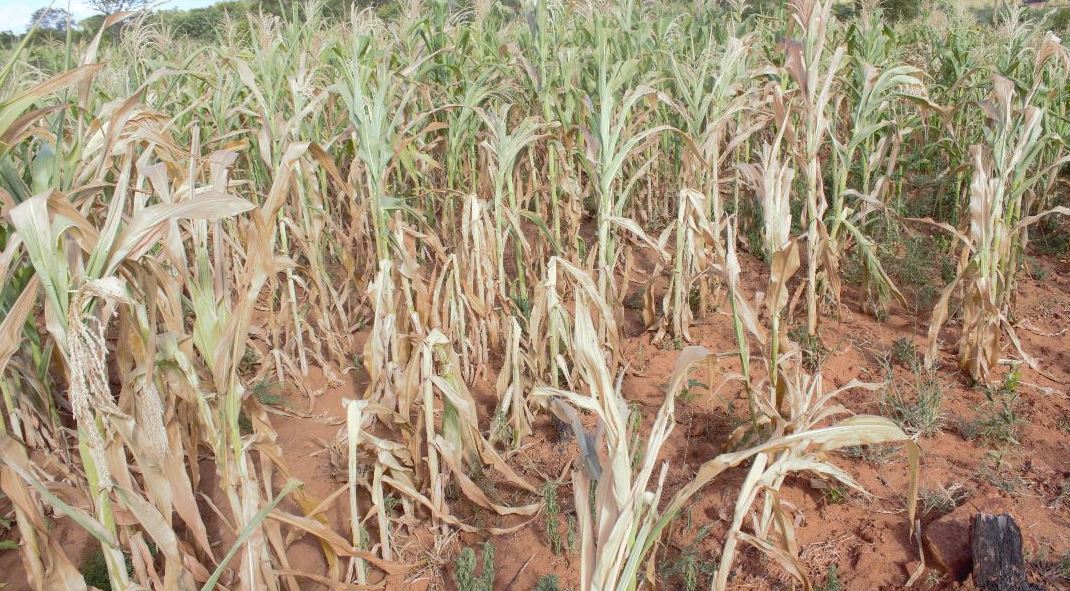
OCHA said the timing of the climate anomaly could not be worse, as peak dryness and heat will directly coincide with the primary planting and early crop-growing window.
Beyond food supply, the agency said declining river flows and reservoir levels are projected to heighten public health risks, increase school dropout rates, and exacerbate gender-based violence as women and children travel further to collect water.
While regional organisations have established anticipatory action frameworks across 13 countries targeting 11.9 million vulnerable people, OCHA warned that financial shortfalls remain critical.
The agency noted that approximately 80 percent of the required $111.3 million regional response plan remains unfunded.
It highlighted that the window for effective intervention is closing, noting that drought-tolerant seeds, livestock support, water interventions, and anticipatory cash assistance must reach at-risk rural households before planting begins in October.
OCHA said funding delivered after October may save lives, but it will come too late to prevent major crop losses and avoid higher humanitarian response costs in 2027.
Discover more from CLIMATE BRIEF
Subscribe to get the latest posts sent to your email.