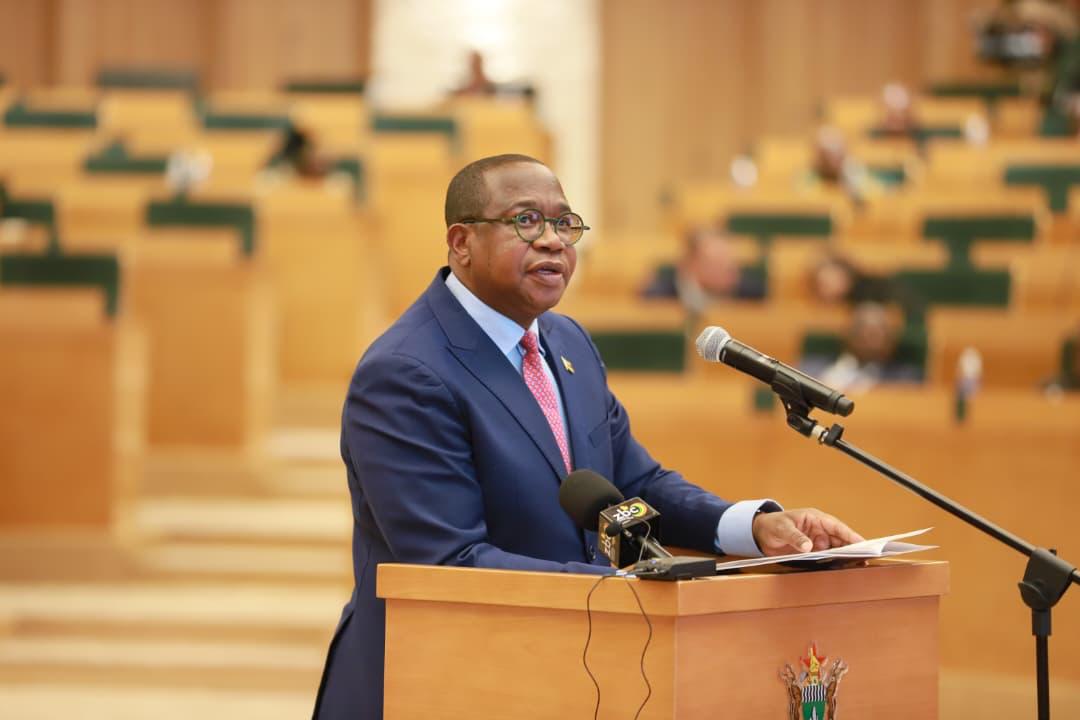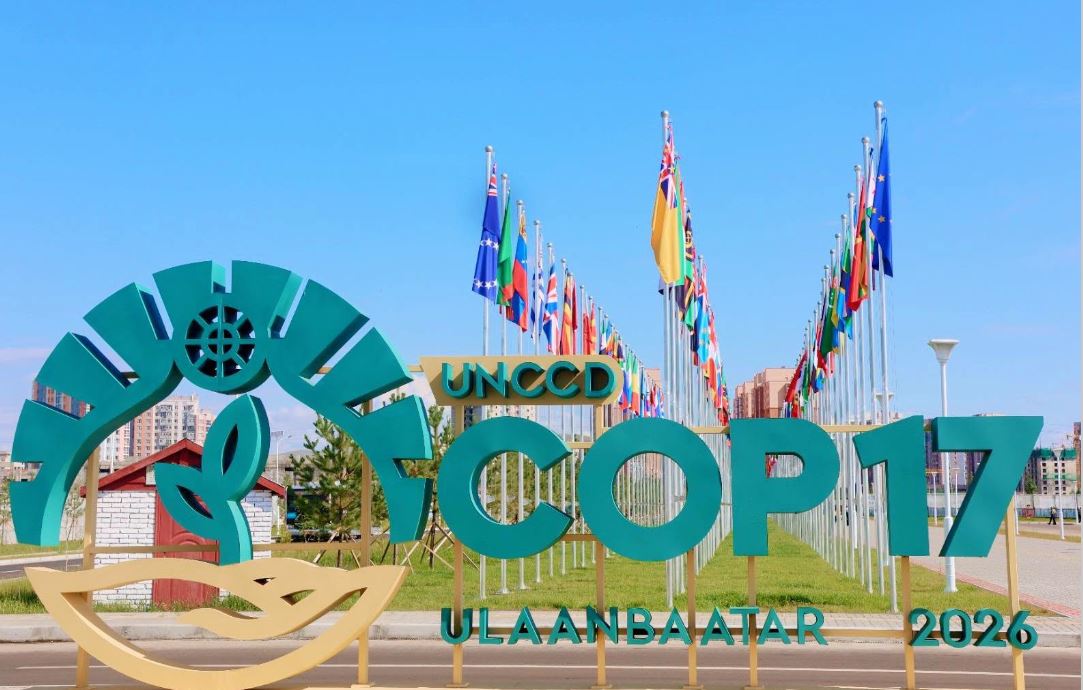
Zimbabwe has officially assumed the chairmanship of the African Group at the United Nations Convention to Combat Desertification (UNCCD), taking on a two-year leadership tenure as the 17th session of the Conference of the Parties (COP17) concluded in Mongolia.
Zimbabwe’s term will run through to the conclusion of COP18 in Egypt in 2028. As part of its broader mandate, Zimbabwe will also lead the Committee for the Review of the Implementation of the Convention, putting the nation at the centre of monitoring, evaluating, and guiding land and climate policy execution across the African continent.
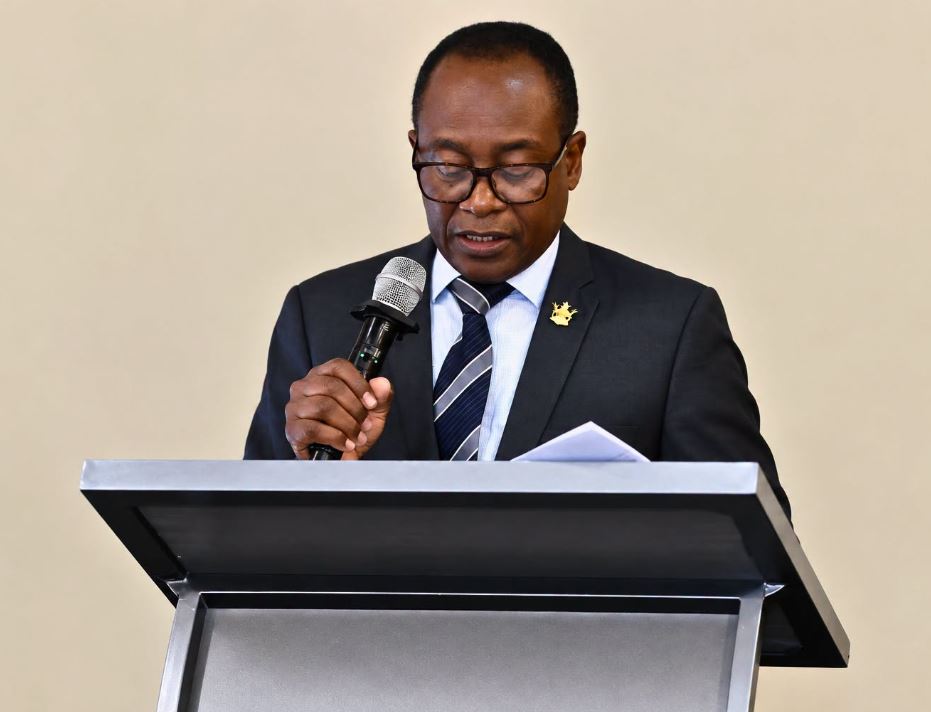
In a statement delivered on behalf of the Minister of Environment, Climate and Wildlife, Evelyn Ndlovu, by Director for Environment Edward Samuriwo, Zimbabwe thanked the Republic of Côte d’Ivoire for its stewardship as the outgoing chair since COP16.
Accepting the leadership position on behalf of 54 African member states, Zimbabwe reaffirmed its commitment to managing the continental platform with unity, discipline, and shared resolve.
Over its two-year term, Zimbabwe’s central diplomatic focus will be on advancing key continental negotiations, notably securing a legally binding Drought Protocol and concluding the future strategic framework for the Convention.
The transition comes as Africa continues to face severe impacts from land degradation, desertification, and climate-induced extreme weather.
The UNCCD, established in 1994, serves as the sole legally binding international agreement linking environment and development to sustainable land management.
The 17th session of the Conference of the Parties gathered thousands of delegates, environmental leaders, and multilateral organisations in Mongolia under the theme Restoring Land, Restoring Hope, addressing issues surrounding rangeland restoration, drought management, and sustainable land finance.
With the conclusion of COP17, Zimbabwe will work closely with diplomatic partners and member states to align continental priorities ahead of UNCCD COP18, scheduled to take place in Egypt in 2028.
Discover more from CLIMATE BRIEF
Subscribe to get the latest posts sent to your email.