Southern Africa will face widespread dry conditions and above-average temperatures during the 2026/27 rainy season, as a rapidly strengthening El Niño in the tropical Pacific Ocean suppresses regional rainfall, a latest regional climate outlook shows.
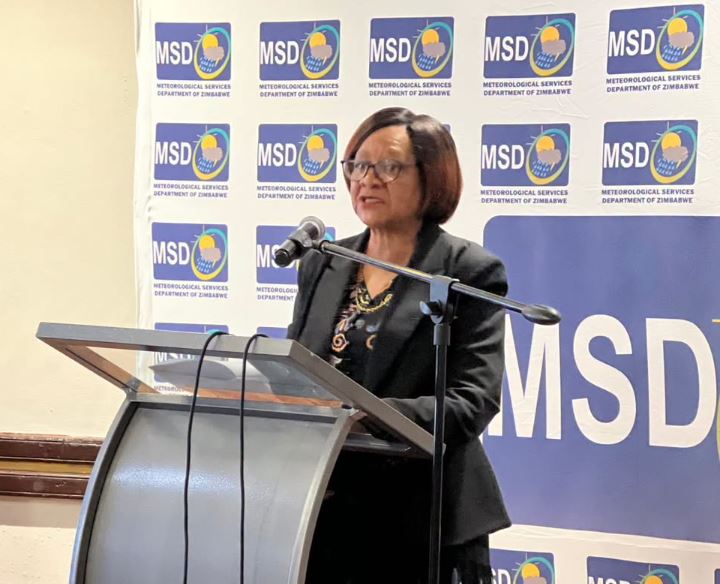
The forecast was released by the Southern African Development Community (SADC), following the Thirty-Third Southern Africa Regional Climate Outlook Forum held in Swakopmund, Namibia, from August 25 to 28, 2026.
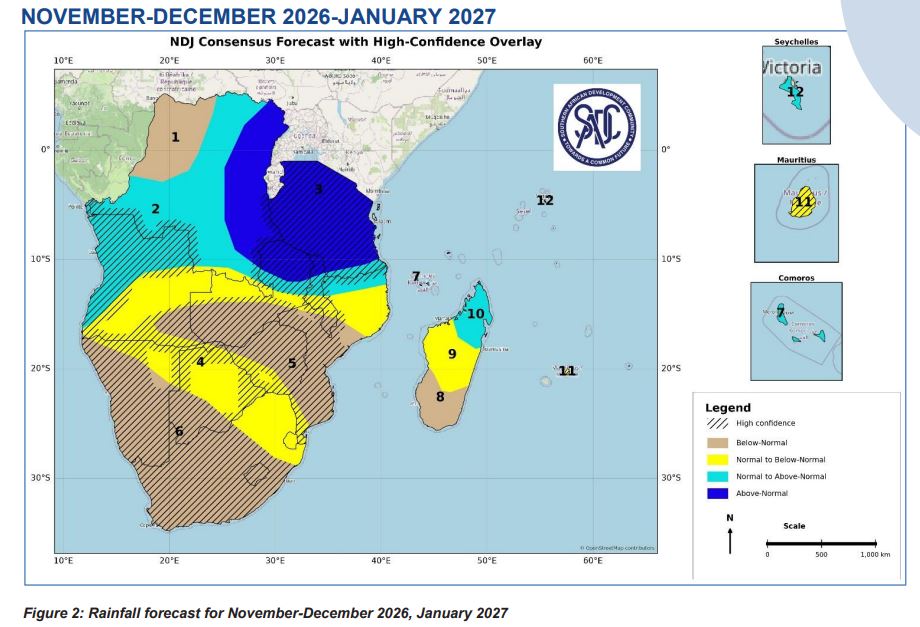
For the initial October–November–December 2026 period, below-normal rainfall is favoured across much of Angola, southern Zambia, Zimbabwe, Mozambique, Namibia, Botswana, most of South Africa, Eswatini, and Lesotho.
In contrast, normal to above-normal precipitation is favoured across parts of the northern region, with above-normal rainfall expected over eastern Democratic Republic of the Congo, most of Tanzania, the extreme northern parts of Malawi and Zambia, and Seychelles.
As the season progresses into early 2027, the dry weather is expected to intensify across central and southern areas. During the January-February–March 2027 period, below-normal rainfall remains favoured across Angola, Namibia, Botswana, Zimbabwe, Zambia, and parts of South Africa.
Meanwhile, normal to above-normal rainfall is favoured in northern territories, with above-normal rainfall particularly favoured over eastern Tanzania and Comoros.
Alongside suppressed rainfall, the regional temperature outlook points to an increased likelihood of above-average temperatures across most of the SADC region, except over select central areas where cooler-than-usual conditions are expected.
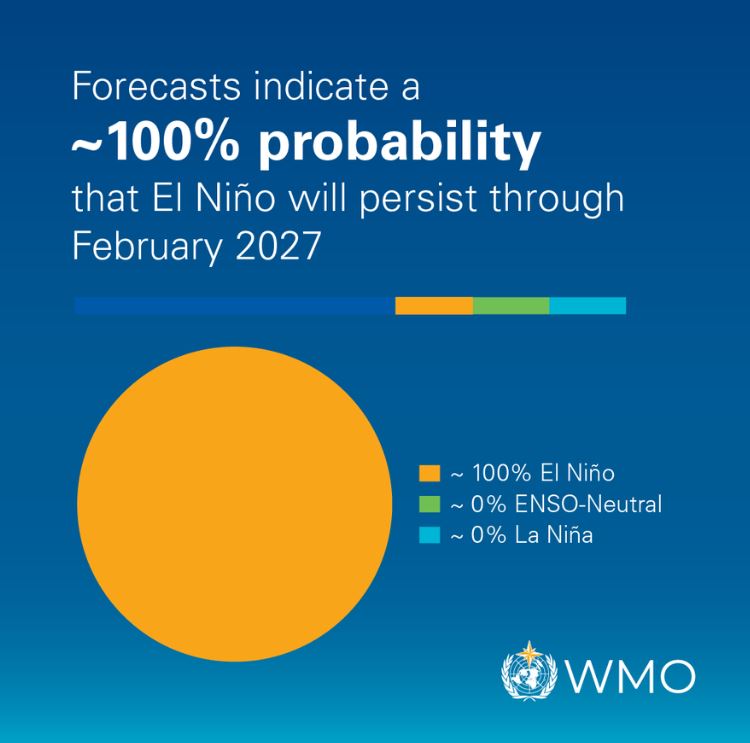
Climate forecasters attribute the dry conditions primarily to a developing El Niño event in the tropical Pacific Ocean.
According to the report, “El Niño conditions are already established and are expected to strengthen further during the latter part of 2026, reaching strong to very strong intensity, with peak intensity expected around the OND 2026 period.”
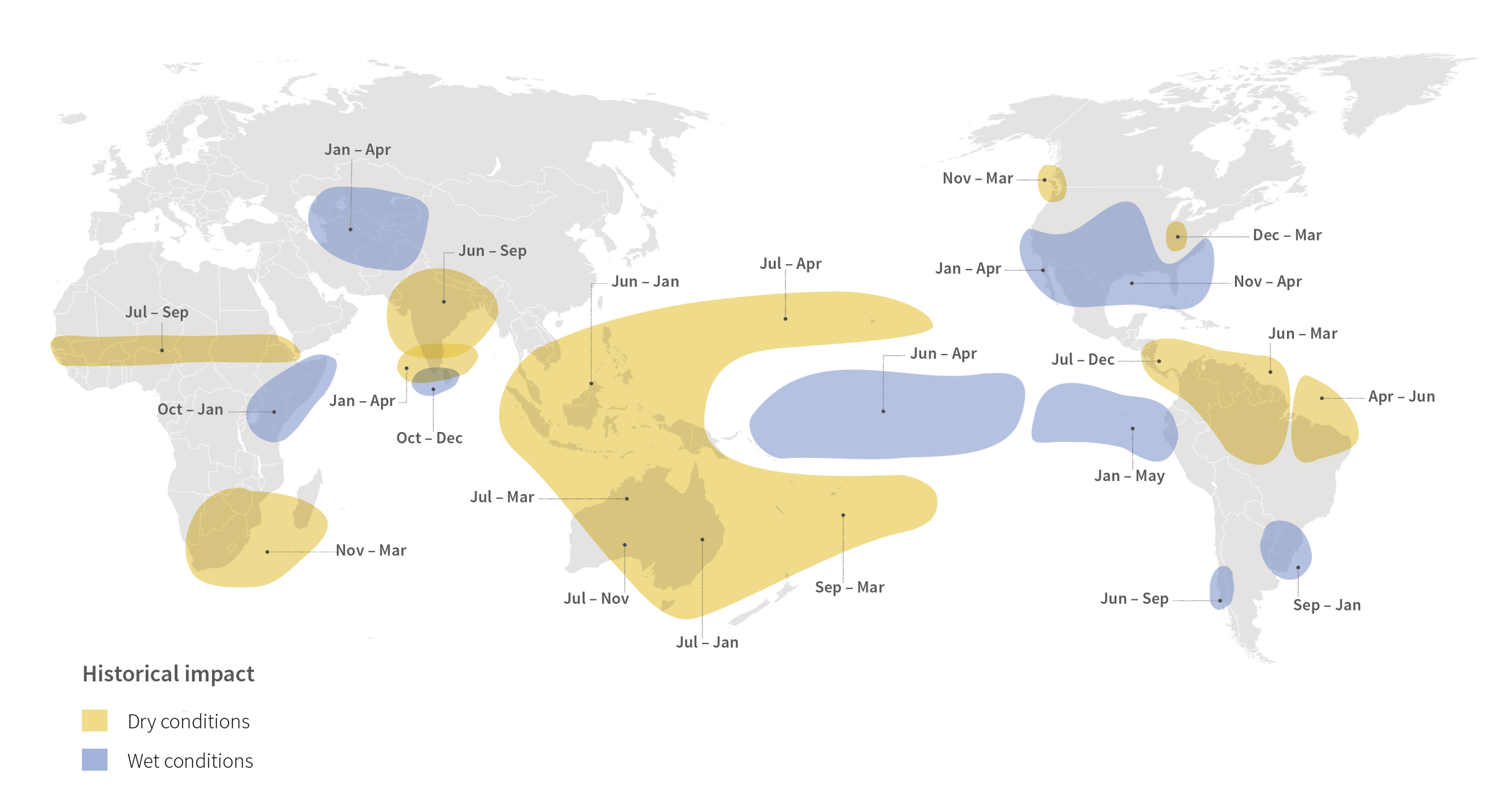
Scientists at the forum warned that strong El Niño events are historically linked to below-normal rainfall over large parts of central and southern SADC.
A secondary climate influence, the Indian Ocean Dipole (IOD), is currently neutral. However, the latest climate models indicate “a high likelihood of a positive IOD developing and persisting through OND before weakening towards neutral conditions in early 2027.”
The SADC Climate Services Centre stated it will continue to monitor atmospheric patterns and issue periodic regional climate updates, while national meteorological agencies prepare detailed country-level advisories.
Climate experts urged stakeholders, agricultural producers, and disaster management officials across Southern Africa to “closely follow updated sub-seasonal, monthly and shorter-range forecasts throughout the 2026/27 rainy season” to mitigate potential climate risks.
Discover more from CLIMATE BRIEF
Subscribe to get the latest posts sent to your email.