
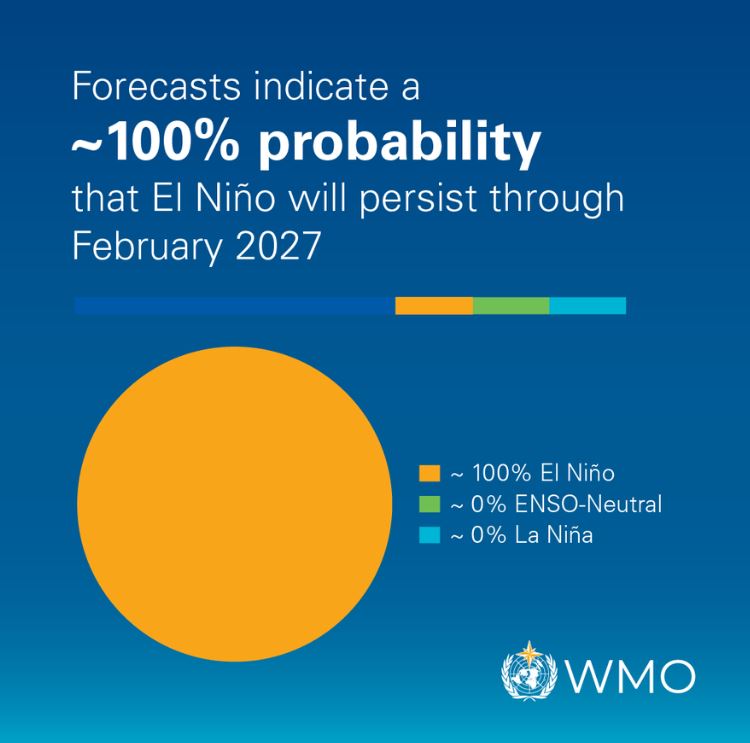
The Ministry of Environment, Climate and Wildlife has warned of a severe drought threat driven by a persisting El Niño event that is expected to disrupt the upcoming farming season and compromise national food and water security.
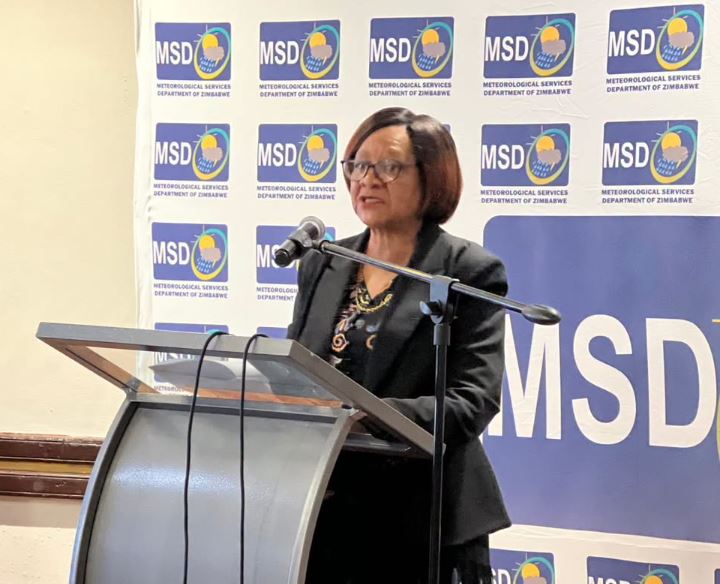
Officially presenting the 2026/27 Seasonal Rainfall Outlook, Minister of Environment, Climate and Wildlife, Evelyn Ndlovu, underscored the strategic necessity of seasonal projections in mitigating disaster risks.
“This seasonal climate statement is a critical national planning tool, designed to help government, businesses, and communities prepare early and make informed decisions before weather hazards turn into disasters,” she said at the National Climate Outlook Forum.
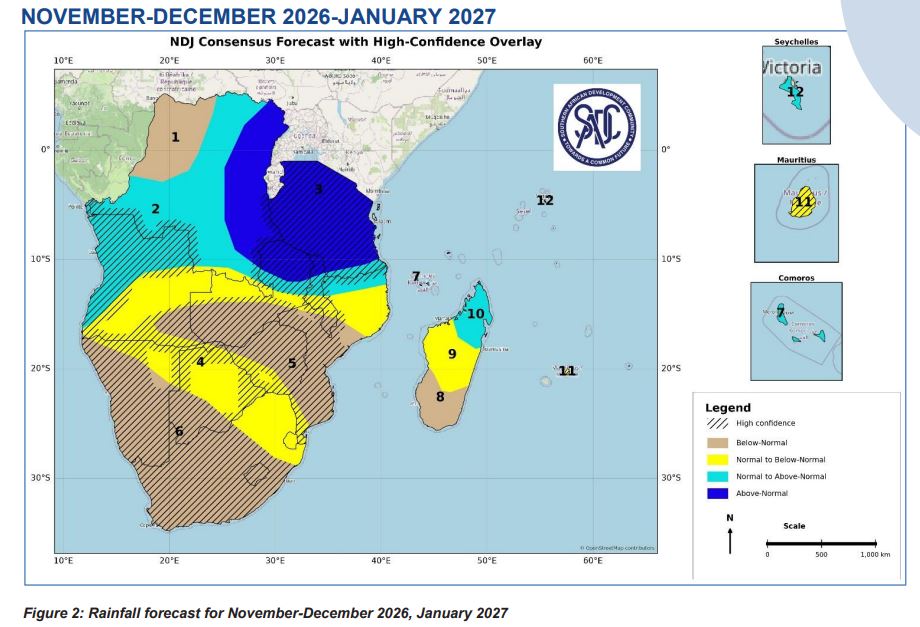
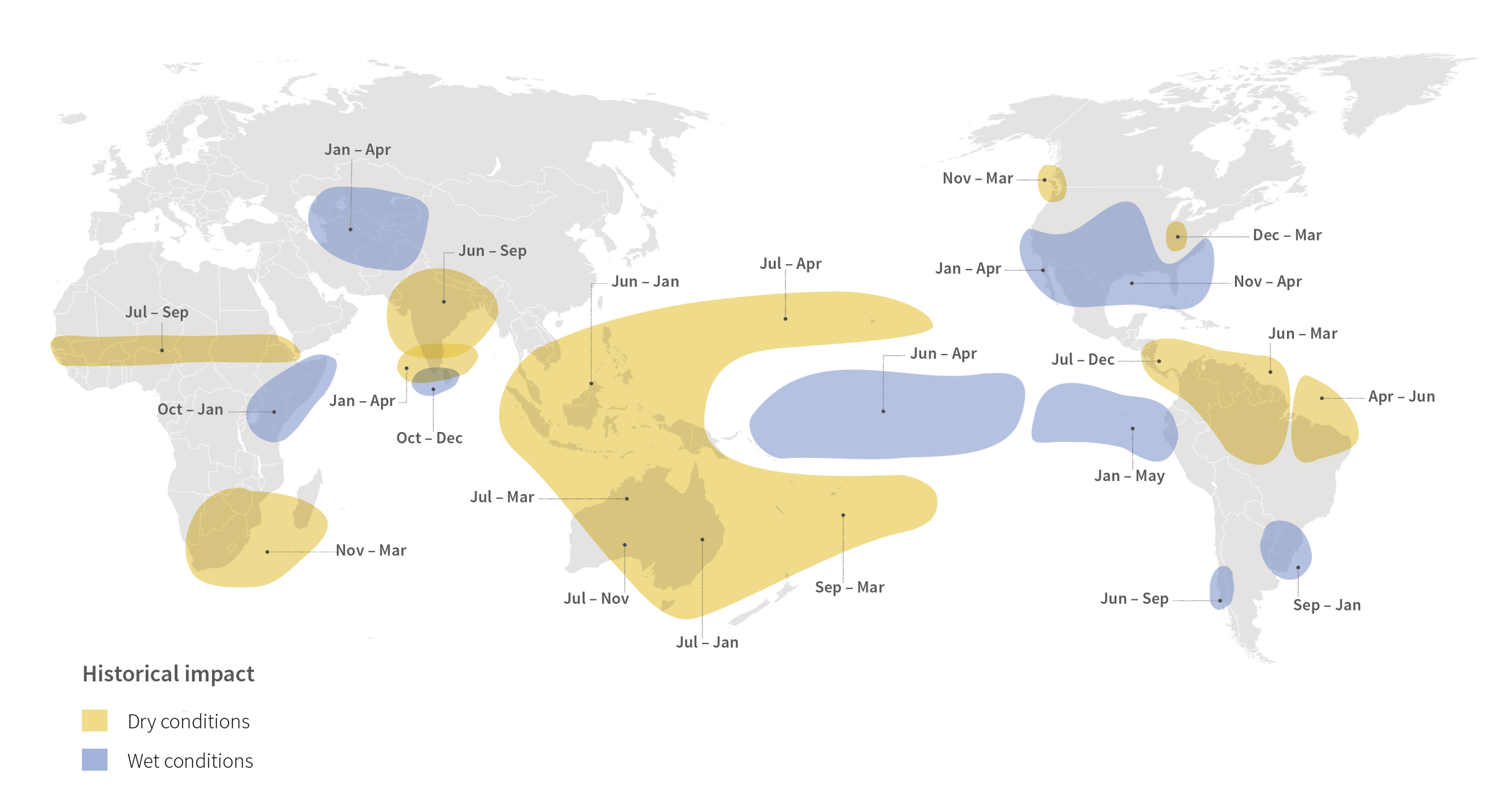
The Meteorological Services Department of Zimbabwe projects an elevated probability of below-normal rainfall across the entire country from October to December 2026, alongside higher-than-normal temperatures during the first three months of the season.
The dry conditions are expected to persist into early next year; between January and March 2027, central, northern, and eastern Zimbabwe are forecast to receive below-normal rainfall, while southern and western regions face normal to below-normal totals.
Compounding the dry outlook, the onset of the rainy season is projected to be highly erratic, with large parts of the country expected to experience a total failure of effective seasonal rains.
“The monthly forecasts for October, November, and December indicate that rainfall in the below-normal category is expected across the three months, except for December, where normal to above-normal rainfall is expected in southern parts of Matabeleland South, extreme southern parts of Midlands, and western parts of Masvingo provinces,” the Meteorological Services Department said.
Meteorological analogue models compare the upcoming period to the severe drought conditions recorded during the 2015/16 and 2023/24 seasons, both of which saw widespread agricultural failure due to delayed or missing rains.
The department said although the outlook is based on global climate drivers, actual rainfall distribution will ultimately depend on the response of local and short-term weather systems to these large-scale drivers.
It added that it will continue to monitor both global and regional climate signals and provide regular updates to support short-term decision-making by all stakeholders.
“But despite the elevated chances of a drier season, the risk of violent storms and flash floods remains significant. Proactive measures, including water harvesting, irrigation planning, drainage maintenance, and public health preparedness, are strongly advised,” the department said.
In response to the forecast, the Minister urged the agriculture, energy, water, and disaster management sectors to immediately implement preparedness and mitigation strategies in alignment with the national Vision 2030 framework.
She highlighted the ongoing rollout of the “Early Warnings for All” initiative, launched last month in Mutare, as part of a whole-of-government approach to safeguard lives and livelihoods.
Discover more from CLIMATE BRIEF
Subscribe to get the latest posts sent to your email.

WOW just what I was searching for. Came
here by searching for emergency preparedness videos
Having read this I thought it was very informative.
I appreciate you taking the time and effort to put this informative article together.
I once again find myself spending way too much time both reading and posting comments.
But so what, it was still worth it!