Staff Writer
A new El Niño climate phase is projected to begin within weeks, with the drought signal expected to be most pronounced in Southern Africa as agriculture goes on high alert around the world.
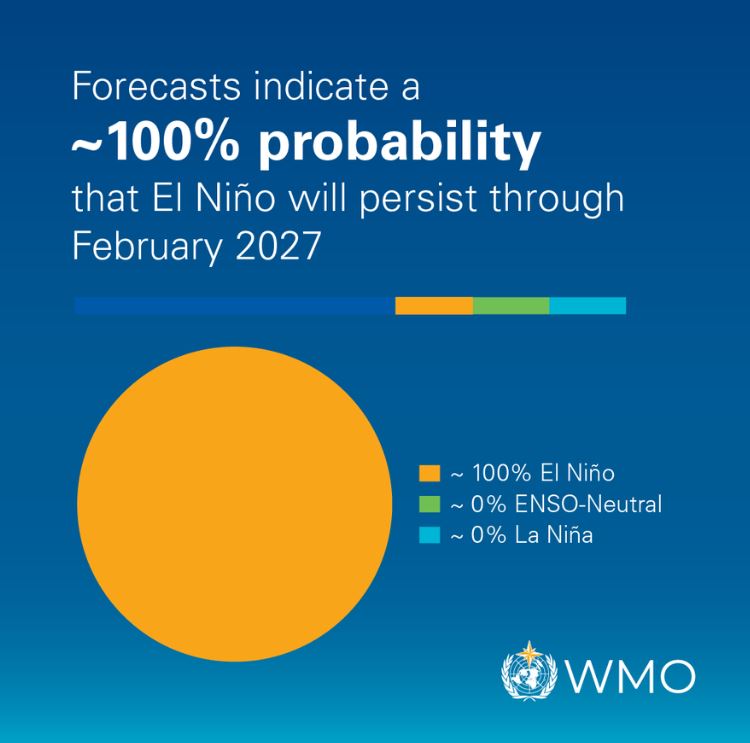
The World Meteorological Organisation (WMO) has forecast a stronger-than-usual cycle, prompting advanced mapping from the Food and Agriculture Organisation of the United Nations (FAO) to identify regions where El Niño-linked drought is most likely to devastate crops and pasturelands.
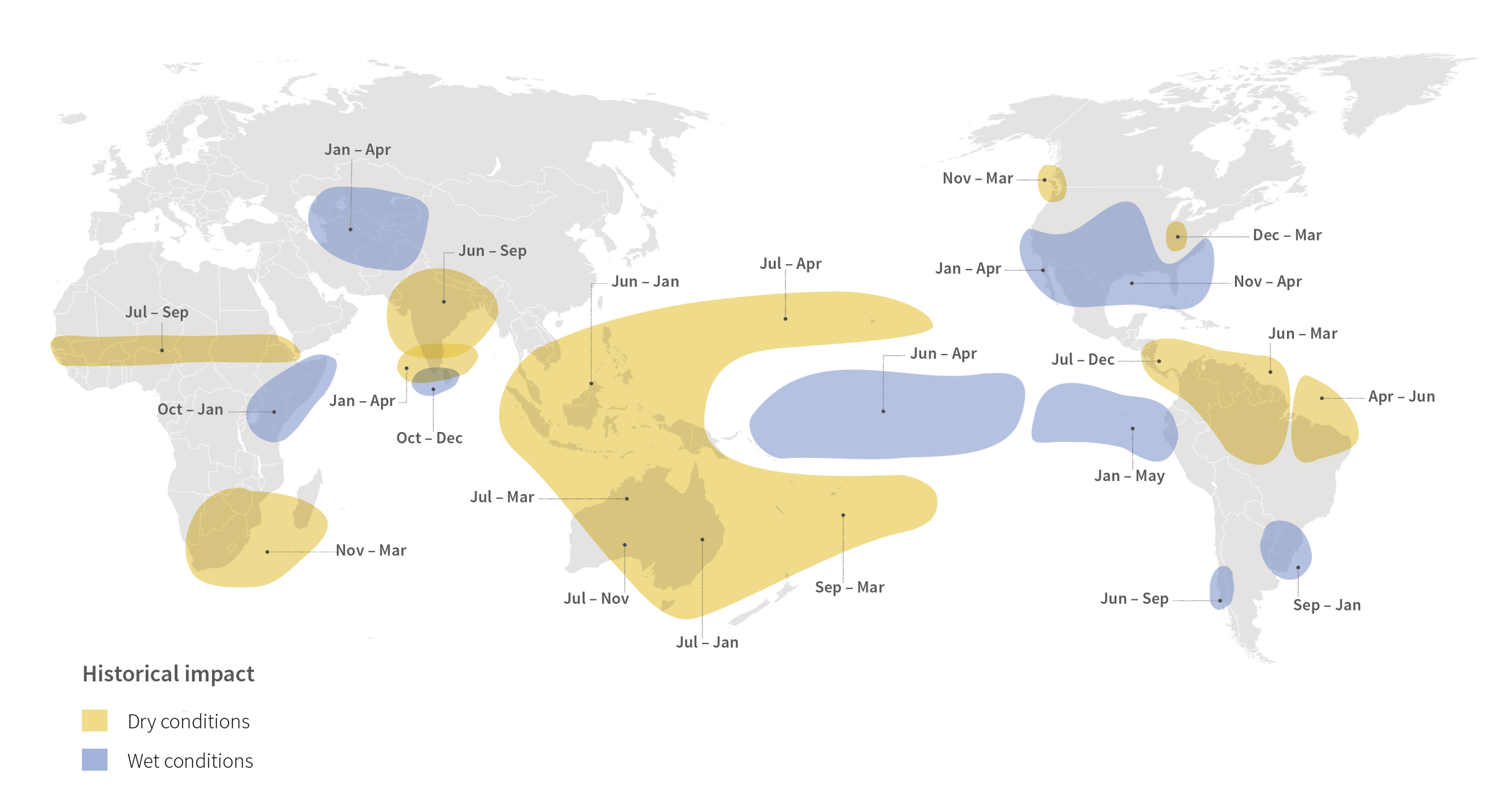
The FAO’s latest analysis utilises 41 years of historical satellite data from its Agricultural Stress Index System. The tracking traces how strong and very strong El Niño Southern Oscillation events historically drive severe drought conditions globally, with the data showing a heavily pronounced signal across Southern Africa.
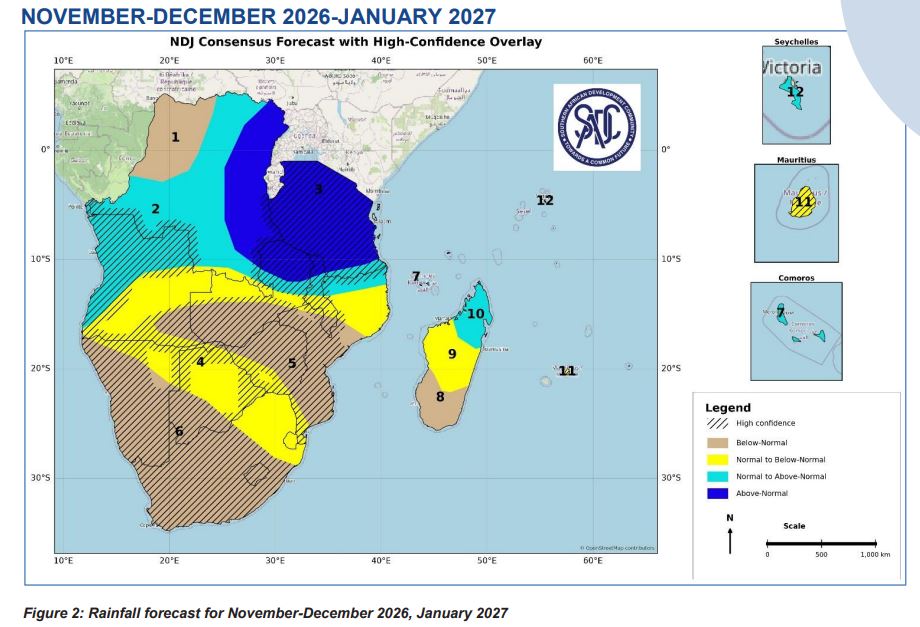
According to the FAO forecast, there is a greater than 50 percent probability of agricultural drought emerging across large expanses of Zimbabwe, Namibia, and Botswana.
The high-risk drought zone also extends directly into Angola, Zambia, South Africa, and sections of Mozambique and Madagascar.
“In Southern Africa, the signal is more pronounced,” the analysis says.
“In a region where livestock underpins both food security and household wealth, the loss of pasture quickly becomes a loss of assets and wealth,” FAO said.
The impending climate pattern follows the region’s most recent El Niño cycle, which triggered the worst drought recorded in Southern Africa in more than a century.
The previous cycle pushed more than 8 million people into food insecurity, left 61 million individuals requiring humanitarian assistance, and severely strained regional water systems, livestock populations, and pasturelands.
Experts warn that the projected lack of rainfall poses an immediate threat to the region’s socio-economic stability.
FAO said the risks are sharpest in the Sahel, across Southern Africa, in South and Southeast Asia, and in Central America’s Dry Corridor and the Caribbean, where some agricultural and pastureland areas face more than a 50 percent chance of drought over the coming months.
The organisation noted that many of the same regions were hit hard during the El Niño events of 2015/16 and 2023/24.
El Niño cycles expose the same vulnerabilities and tend to trigger failed harvests, livestock losses, rising household debt, and migration in search of food and water.
In 2015/16 alone, El Niño affected more than 60 million people and prompted $5 billion in humanitarian appeals across 23 countries.
FAO said risks are now skewed to the upside as climate extremes increasingly collide with conflict and economic stress.
“This isn’t like previous El Niños. The planet is much warmer today, and with conflict and food insecurity widespread, this new phase will hit hardest in places that are already vulnerable and have limited coping capacity,” said Jorge Alvar-Beltrán, FAO Natural Resources Officer.
FAO noted that there is already evidence that acting before losses take hold can work.
In Southern Africa, ahead of the 2023/24 El Niño, a regional pre-season effort directed nearly $31 million to more than two million people across seven countries, providing seeds, livestock support, and better forecasting through early warning systems.
Discover more from CLIMATE BRIEF
Subscribe to get the latest posts sent to your email.