Bongi Khumalo
The Ministry of Agriculture has called on farmers nationwide to step up drought preparations across all agricultural sectors as developing El Niño conditions heighten the risk of a dry season.
In an early warning advisory, the Ministry of Agriculture, Mechanisation and Water Resources Development called on producers to implement protective measures before conditions deteriorate, emphasising that agriculture remains the primary source of food and income for many rural households.
For crop production, officials recommend timely planting using drought-tolerant crop varieties alongside conservation agriculture practices.
Recommended techniques include mulching, minimum tillage, and water harvesting to retain soil moisture and stabilise yields.
In horticulture, the ministry advises adopting efficient irrigation, shade management, and water-saving methods to protect fruit and vegetable crops from moisture stress.
Water management strategies outlined in the advisory emphasise conservation for both domestic and agricultural use, calling for investments in irrigation, boreholes, and water storage infrastructure to sustain operations during dry periods.
For livestock management, farmers are instructed to secure feed and water reserves, implement supplementary feeding, manage grazing, and protect water points.
In the fisheries sector, operators are advised to monitor pond water levels and quality, and to adjust stocking densities and feeding practices to prevent losses due to heat stress and water shortages.
The ministry advised farmers to coordinate with agricultural extension officers to implement climate-resilient practices rather than halting agricultural production.
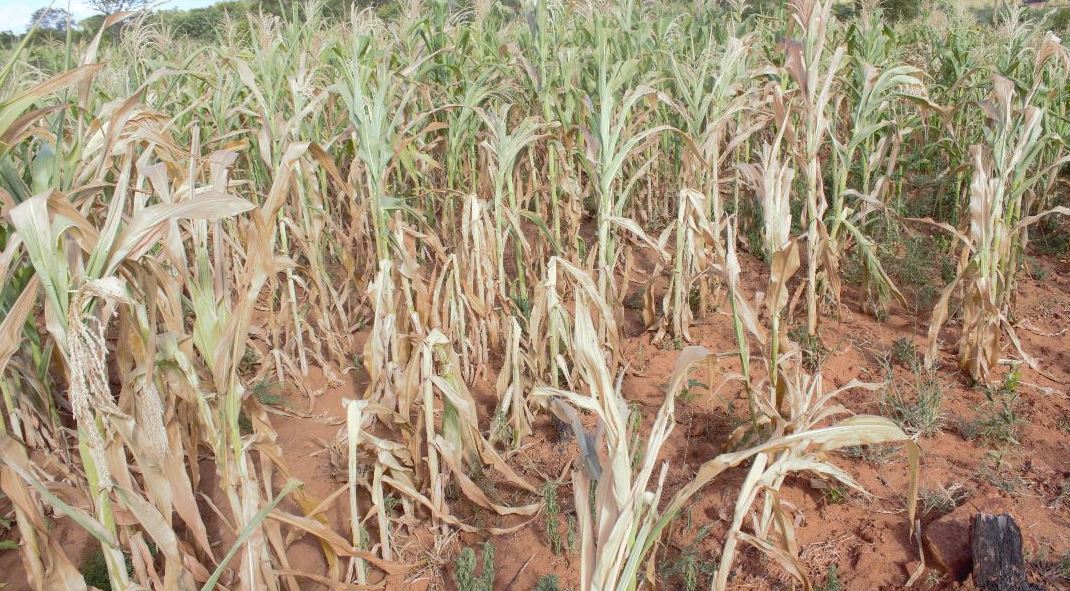
While agricultural experts noted that El Niño does not automatically cause drought, the climate pattern frequently brings below-normal rainfall, higher temperatures, and increased stress on water reserves.
The warning comes as the World Meteorological Organisation and global climate modelling centres indicate rapid warming of sea surface temperatures in the central and eastern equatorial Pacific Ocean.
Projections point to an 80% to 94% probability of El Niño conditions remaining dominant through late 2026 and persisting into early 2027. Forecast models suggest the event will likely reach moderate-to-strong intensity.
For Southern Africa, including Zimbabwe, El Niño phases historically correlate with below-normal rainfall, suppressed summer precipitation, higher average land temperatures, and prolonged dry spells during the main agricultural season running from October to March.
Discover more from CLIMATE BRIEF
Subscribe to get the latest posts sent to your email.