Bongi Khumalo
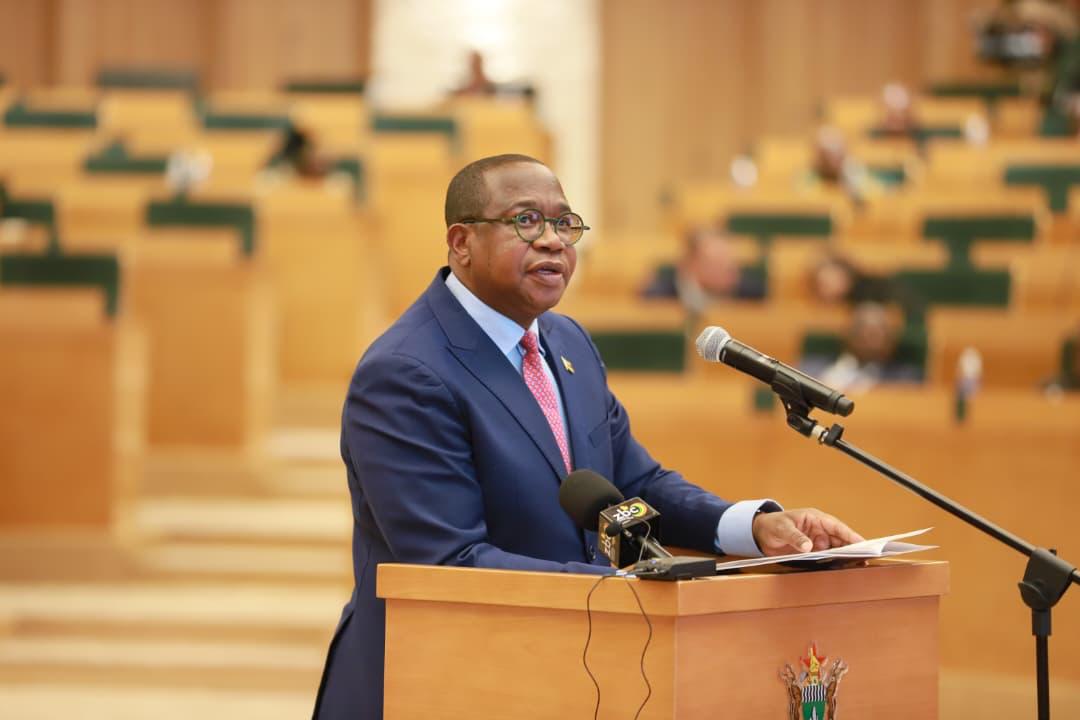
Finance Minister Mthuli Ncube says Zimbabwe is setting up a US$500 million El Niño protection fund to shield the economy from severe drought and climate-induced agricultural shocks.
Addressing a virtual press conference at the ongoing 2026 International Monetary Fund (IMF) and World Bank Annual Meetings, Ncube said strong fiscal revenue performance has enabled the government to target a half-billion-dollar buffer by the end of the year.
He said the fund will be split evenly between cash reserves and physical grain stock. Ncube added that the government is building a US$250 million cash reserve alongside US$250 million in strategic grain stocks, including maize, wheat, and small grains procured directly from local producers.
Treasury plans to make further fiscal allocations in the 2027 national budget to cushion the country against lingering adverse climate impacts.
As part of broader structural reforms, Treasury is targeting a long-term revenue composition of 90% tax revenue and 10% non-tax revenue by 2030.
The announcement comes as Southern Africa faces recurring weather extremes driven by the El Niño-Southern Oscillation phenomenon.
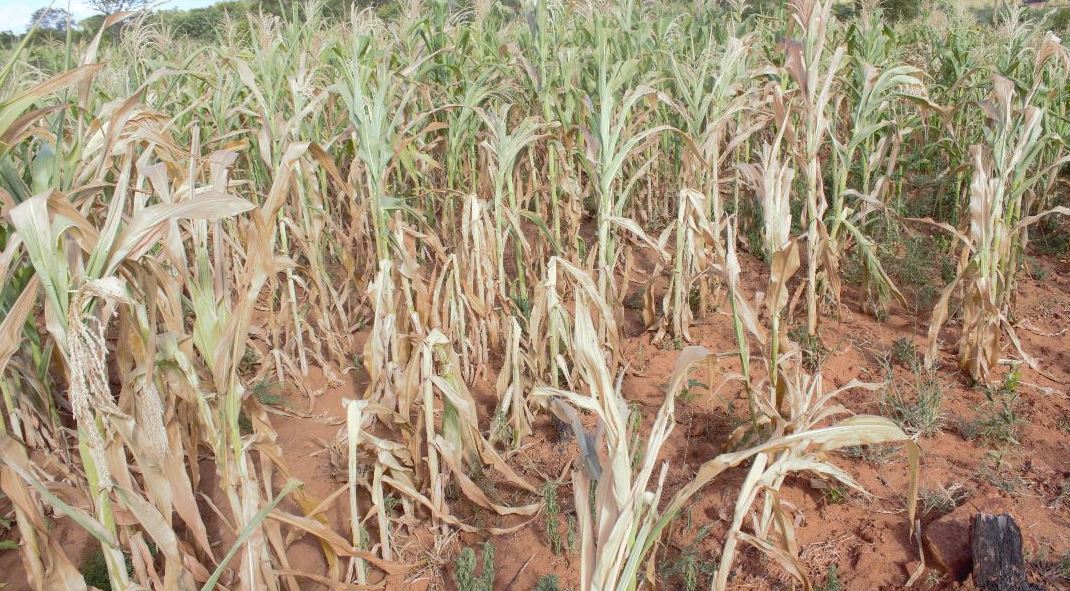
Severe droughts across the region have repeatedly disrupted rain-fed farming, destroyed cereal harvests, and caused widespread hunger, placing heavy pressure on state finances.
Previous El Niño episodes severely cut national maize production, forcing Zimbabwe to buy costly food from abroad and launch emergency social protection programs to help millions of vulnerable families.
The Minister said Zimbabwe’s economy is projected to grow by 3,5% next year despite the threat of El Niño.
Climate change has increased how often and how hard these dry spells hit Southern Africa, forcing Treasury to shift from reactive disaster spending to proactive financial planning.
The dual structure of the buffer, combining cash with physical food supplies, is designed to make food available immediately while giving the government the money it needs to fund emergency relief, support irrigation systems, and buy extra food if the weather gets worse.
Discover more from CLIMATE BRIEF
Subscribe to get the latest posts sent to your email.