Staff Writer
The International Monetary Fund says a projected El Niño weather event could slow Zimbabwe’s economic momentum, potentially reducing its baseline 2027 growth forecast from 4.2 percent to a range of 2 to 3 percent.
The warning follows a mission to Harare by IMF staff to conduct the first review under the country’s 10-month Staff-Monitored Program.
While the IMF stated that Zimbabwe’s economy has shown strong resilience, with growth projected at 5 percent for 2026, the Bretton Woods institution raised red flags over severe climate and geopolitical risks looming on the horizon.
According to the IMF, Zimbabwe’s baseline economic growth is expected to moderate to 4.2 percent in 2027, with inflation remaining in the single digits. However, the financial institution noted that this stable outlook relies heavily on predictable environmental conditions.
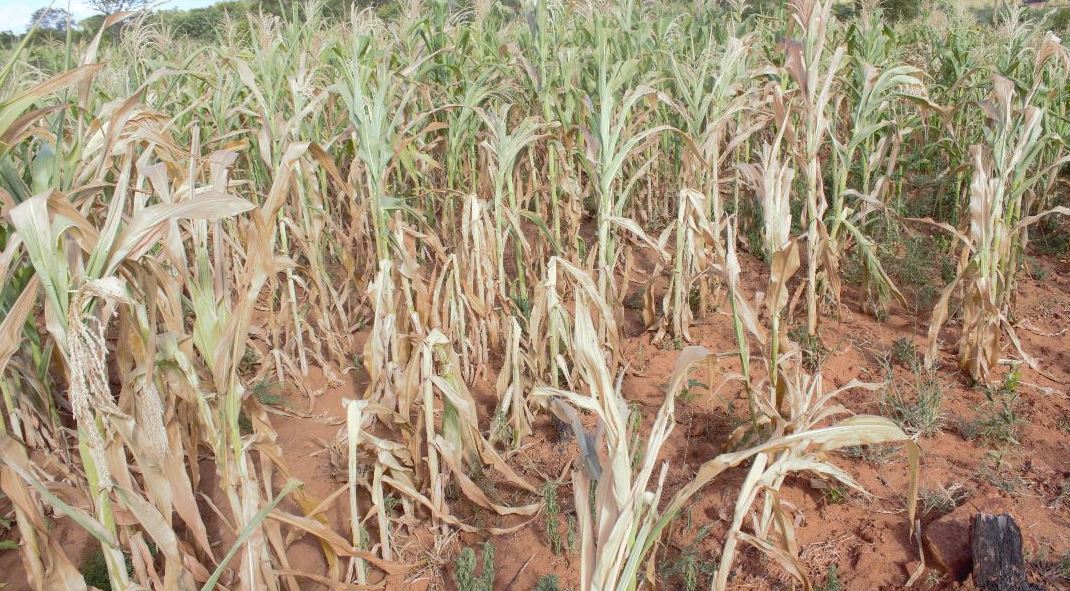
“If the projected El Niño materialises, growth could moderate further to the 2–3 percent range, with additional downside risks from a stronger-than-expected El Niño and escalation of the Middle East war,” the IMF said.
Given the country’s reliance on rain-fed agriculture, any severe shift in weather directly impacts food security and market productivity.
Furthermore, the Washington-based lender noted that the economic floor could drop even lower. The IMF warned of additional downside risks stemming from a stronger-than-expected El Niño, which, if compounded by an escalation of the ongoing war in the Middle East and subsequent fuel or shipping disruptions, could trigger a much deeper fiscal crisis for the southern African nation.
The IMF said Zimbabwe’s economy has remained resilient despite a more difficult external environment, including spillovers from the Middle East conflict through higher fuel and fertiliser prices, transport costs, and shipping disruptions.
The lender added that growth was strong in 2025 at 8.3 percent, and this momentum continued in early 2026, supported by a rebound in agriculture, strong mining activity, and favourable gold prices.
Discover more from CLIMATE BRIEF
Subscribe to get the latest posts sent to your email.