Bongi Khumalo
The Tobacco Industry and Marketing Board (TIMB) has called on farmers to integrate climate-resilient diversification strategies into their operations as the country prepares for a potentially challenging 2026/27 agricultural season.
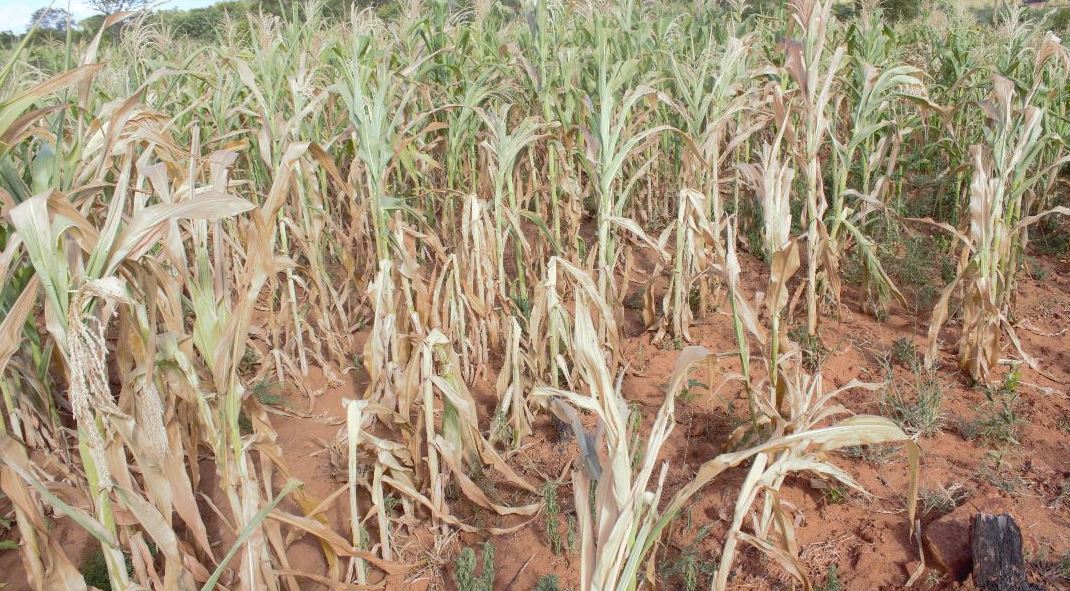
Forecasts from the Meteorological Services Department indicate a strong likelihood of below-normal rainfall during the upcoming season, raising severe climate risks associated with impending El Niño conditions.
The regulatory board framed crop and enterprise diversification as a critical climate adaptation mechanism designed to protect rural livelihoods, cushion farm businesses against weather-induced yield losses, and stabilise year-round cash flows.
“Diversification has become even more important as Zimbabwe prepares for another potentially challenging agricultural season,” TIMB said in a statement.
“Diversification itself is a climate adaptation strategy. Producing tobacco and food crops, livestock and other commercial enterprises spreads production risk and ensures that households continue generating income even if one enterprise performs below expectations because of adverse weather.”
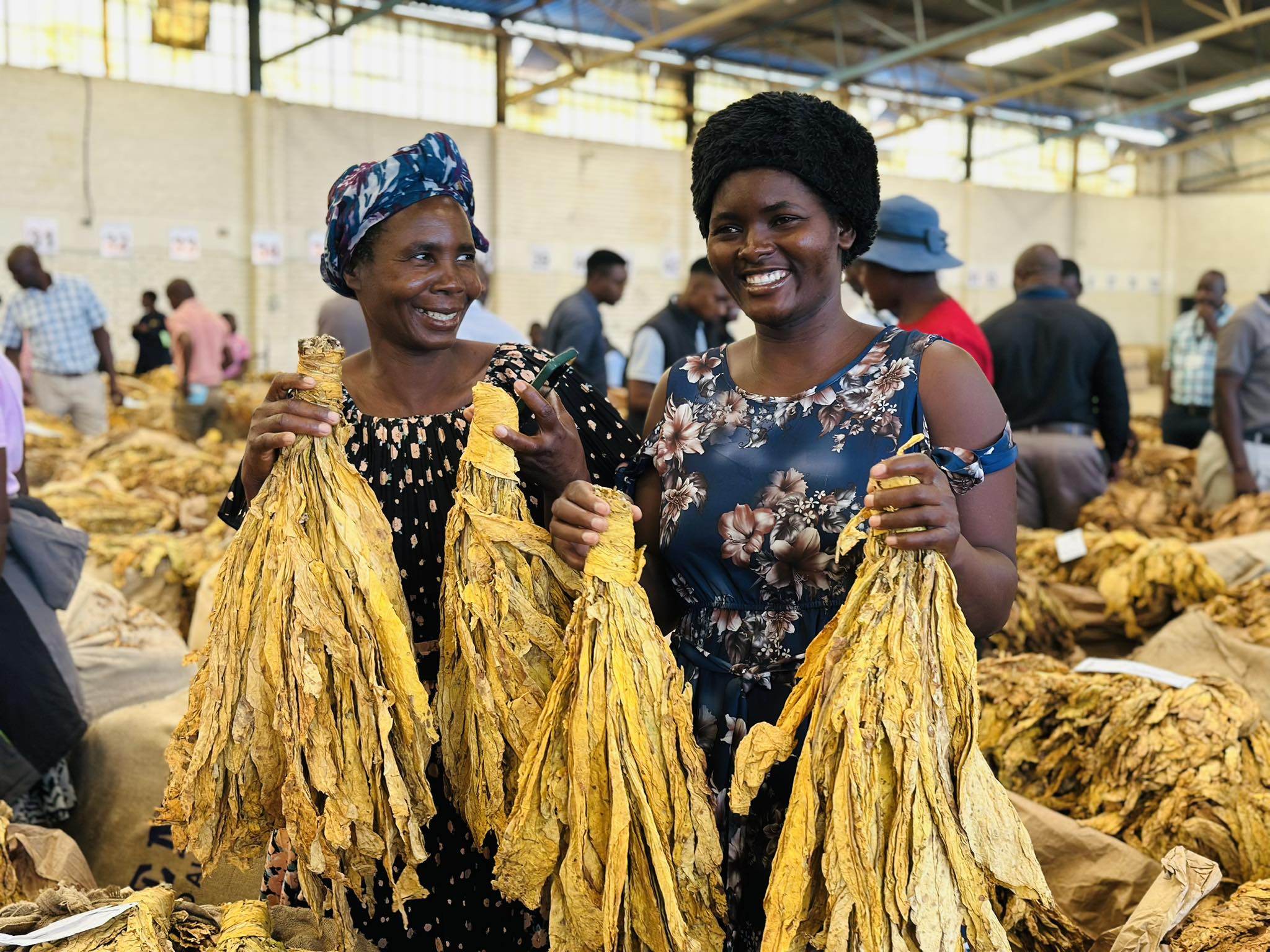
The announcement coincides with the final stages of the 2026 tobacco marketing season, where auction floors are scheduled to close on July 31, followed by brief mop-up sales on August 5 and 6.
Official figures show that as of July 17, 2026, growers had sold 353,813,565 kilograms of tobacco valued at US$882,492,252.
Despite these earnings, the board emphasised that long production cycles leave farmers vulnerable to seasonal liquidity shortages and heightened exposure to climate shocks when reliant on a single commodity.
Under a phased agribusiness model recommended by TIMB, farmers are advised to maintain tobacco as an anchor crop while dedicating approximately 30 percent of their land to complementary high-value enterprises.
Recommended ventures include export-oriented horticulture, such as blueberries, macadamia nuts, avocados, citrus, paprika, and chillies, alongside livestock and winter grain production.
Diversification allows farming enterprises to maximise returns on existing capital investments by utilizing irrigation infrastructure during off-seasons and repurposing curing barns for drying alternative cash crops.
Beyond economic buffers, multi-enterprise farming practices promote crop rotation, improve soil nutrient cycling, suppress pest cycles, and contribute directly to national food security objectives under Zimbabwe’s Agriculture Food Systems Strategy.
To assist growers in entering international markets, TIMB is providing Food Safety Compliance Consultancy Services to help farms secure global certifications.
The measures form part of the broader Tobacco Value Chain Transformation Plan 2, aimed at developing sustainable, commercially viable farming models capable of navigating increasingly volatile global weather patterns and market conditions.
Discover more from CLIMATE BRIEF
Subscribe to get the latest posts sent to your email.