Bongi Khumalo
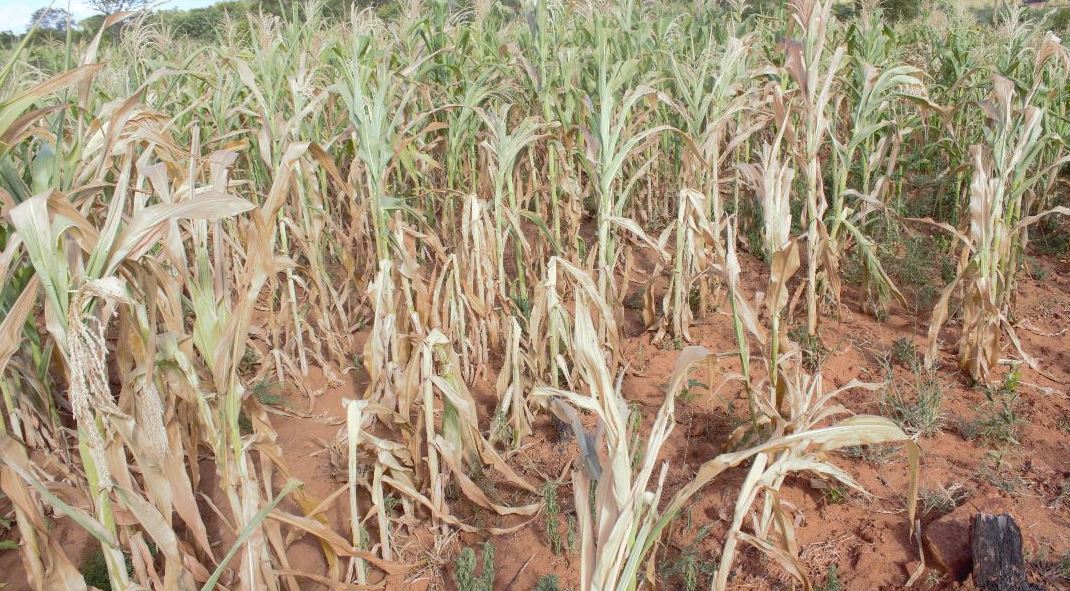
Zimbabwe has intensified preparations for the upcoming 2026/27 agricultural season, putting climate resilience and contingency planning at the centre of its strategy to buffer the sector against forecasted El Niño climate-related risks.
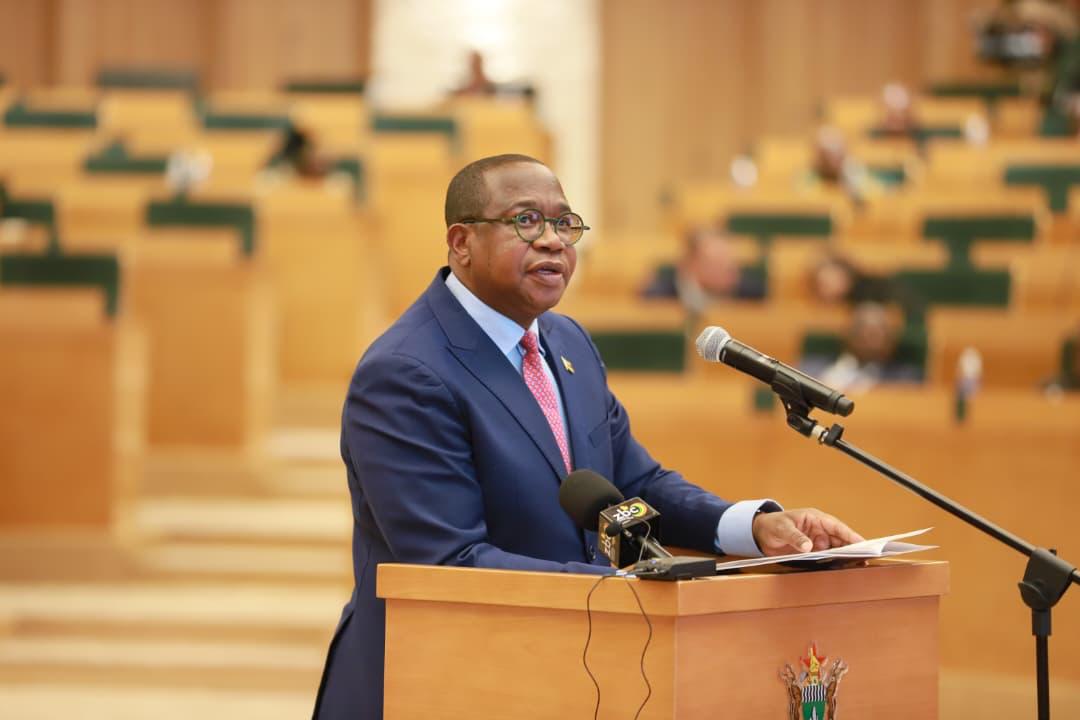
In his 2026 Mid-Term Budget and Economic Review, Minister of Finance, Mthuli Ncube, said the government has adopted a comprehensive preparedness framework aimed at safeguarding agricultural production, food security and rural livelihoods.
He said the framework will be anchored on enhanced strategic grain reserves, accelerated climate-smart production, integrated financing architecture, livestock drought mitigation, enhanced imports, and coordination, early warning systems and capacity building support.
“Government will continue accelerating climate-smart agricultural production through the promotion of drought-tolerant crop varieties, conservation agriculture, improved soil fertility management and irrigation development,” he said.
To reduce vulnerability to rainfall variability, Ncube said the area under irrigation is targeted to increase from 258 773 hectares to 299 328 hectares during the 2026/27 agricultural season.
Ncube said the government is also implementing livestock drought mitigation measures aimed at protecting the national herd and sustaining livestock productivity.
“These measures include assessing livestock vulnerability, monitoring grazing and water availability, enhancing access to feed and fodder, strengthening disease surveillance, supporting vaccination programmes and maintaining the National Tick Control Programme,” he said.
He revealed that Treasury has disbursed ZiG20 million to fund the Zimbabwe Livelihoods Assessment Committee Survey.
The critical assessment is designed to provide real-time evidence on national food security, nutrition, and household vulnerability, directly guiding government policy interventions, resource allocation, and emergency readiness ahead of potential El Niño disruptions.
The proactive measures build on multi-pronged agricultural strategies aimed at strengthening smallholder farmers, expanding climate-smart farming techniques, and expanding irrigation infrastructure.
Key among these interventions is the scaling up of the Pfumvudza/Intwasa conservation farming model, alongside targeted irrigation rehabilitation and development projects across the country.
To support production leading into the new season, government distributed agricultural inputs valued at ZiG4.9 billion during the first half of 2026 under flagship programs such as Pfumvudza/Intwasa, Zunde Ramambo/Isiphala Senkosi, the Presidential Cotton Scheme, and the Rural Horticulture Development Programme.
To ensure field-level readiness and technical guidance for farmers, Treasury released ZiG167 million toward agricultural extension and business advisory services, funding officer training, mobility support, and communication infrastructure.
Additionally, to protect the national herd against climate stress and disease outbreaks ahead of the season, ZiG270 million was disbursed for veterinary services, dipping programs, and dip tank rehabilitation.
The strategic pivot toward climate proofing comes as the country works to secure its food reserves following a favourable 2025/26 harvest.
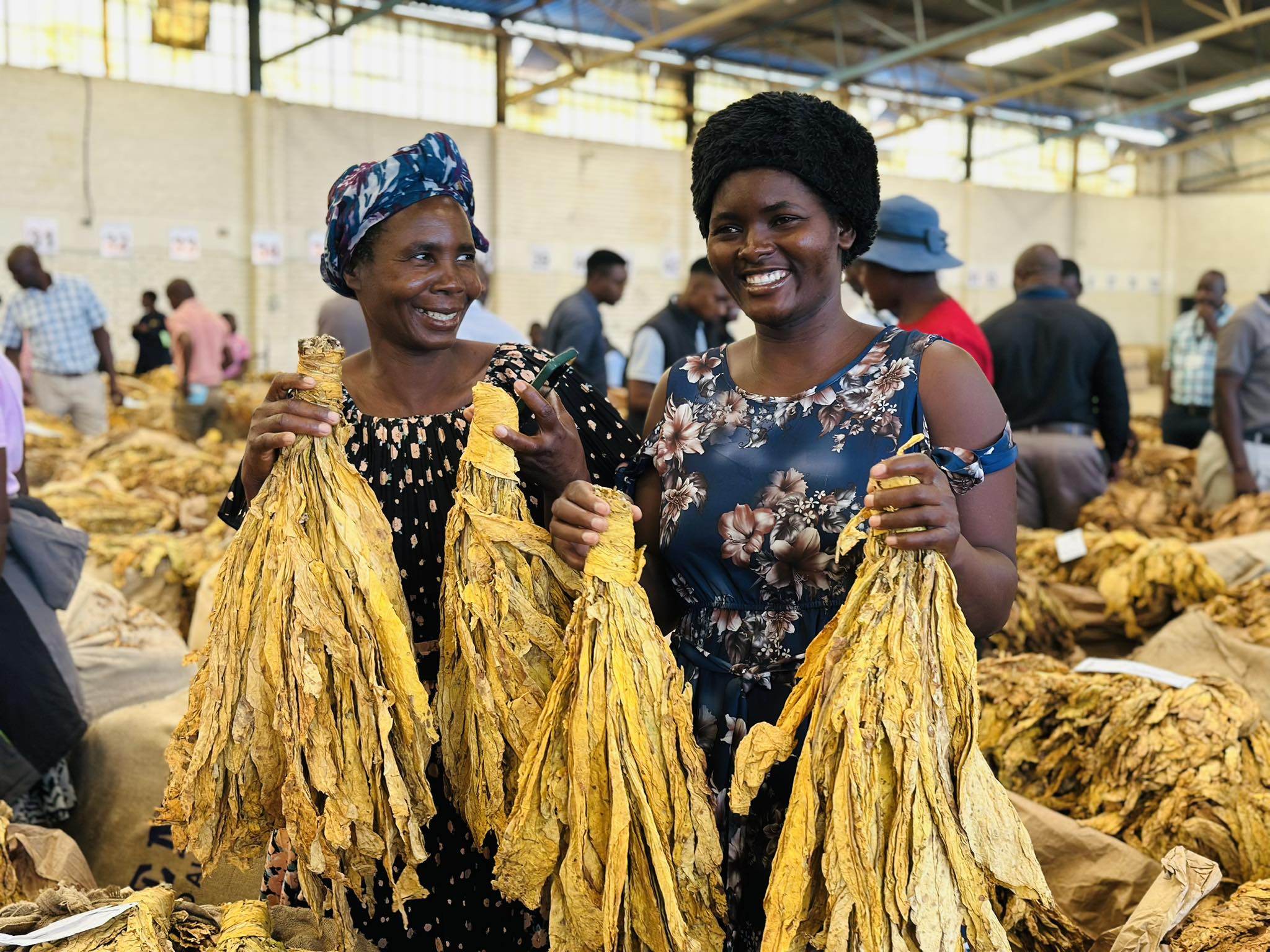
Total domestic cereal production for the 2025/26 season reached 2.7 million metric tonnes, comprising 2.4 million metric tonnes of maize and 390,272 metric tonnes of traditional grains such as sorghum and millet.
Authorities say maintaining strong traditional grain output remains vital for building national strategic grain reserves and enhancing household food security, particularly in drier agro-ecological zones vulnerable to El Niño droughts.
Overall, the agricultural sector is projected to expand by 6.9 percent in 2026, contributing approximately 0.8 percentage points to national gross domestic product growth.
The Minister said sustained capital investment in climate-resilient practices, farmer capacitation, and tenure security under the Title Deeds Programme will ensure the agricultural sector remains capable of mitigating weather shocks and sustaining economic momentum through the 2026/27 farming cycle.
Discover more from CLIMATE BRIEF
Subscribe to get the latest posts sent to your email.