When Zimbabweans hear that El Niño is coming, one of the first concerns is often drought.
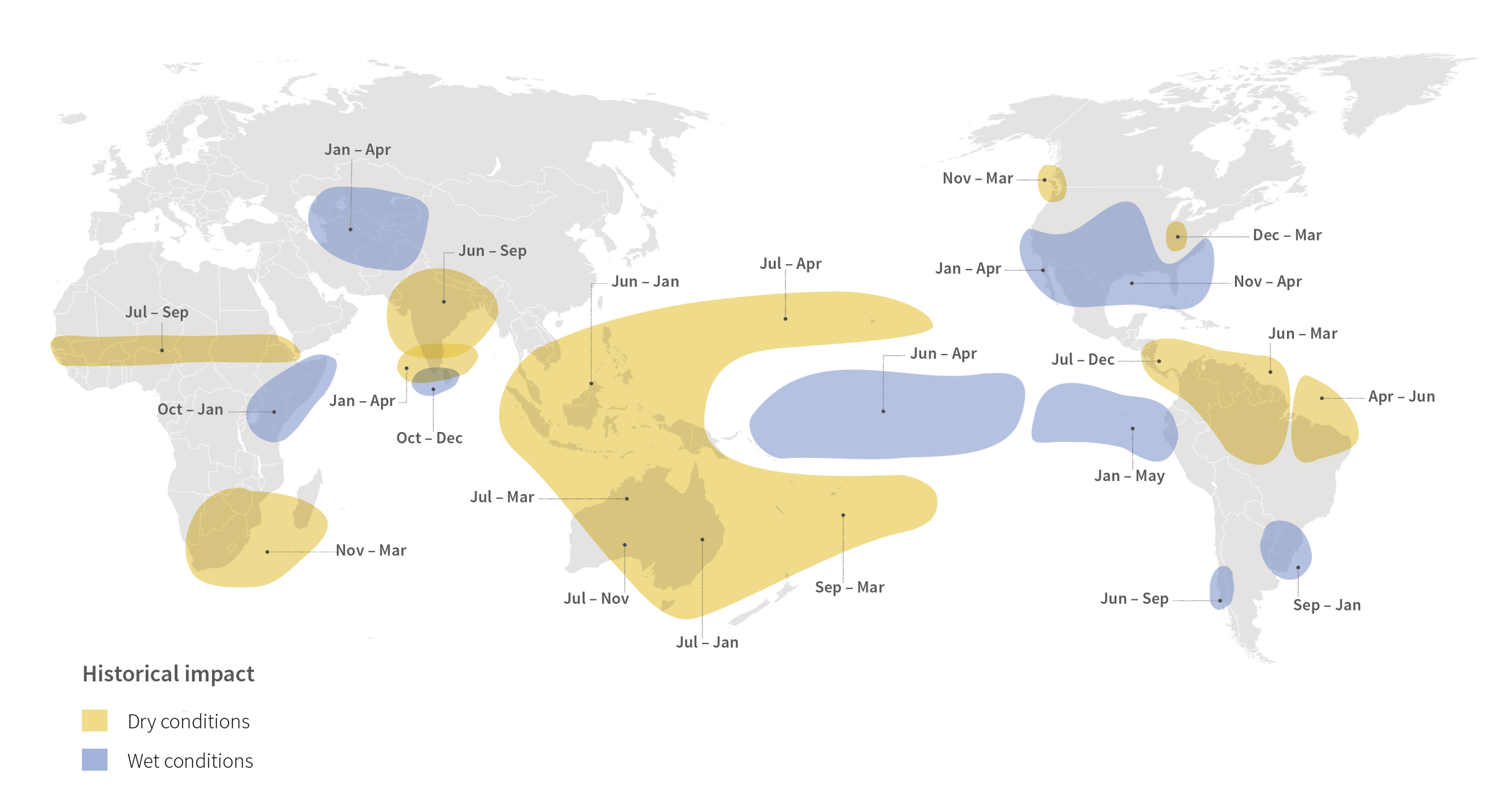
That concern is understandable. El Niño events have been associated with below-normal rainfall across parts of southern Africa, including Zimbabwe.
But El Niño is not a drought.
It is a naturally occurring climate phenomenon that can influence weather patterns around the world.
In southern Africa, one potential effect is a higher likelihood of hotter, drier conditions, particularly during the main rainfall season.
So, what exactly is El Niño, and why does it matter to Zimbabwe?
What is El Niño?
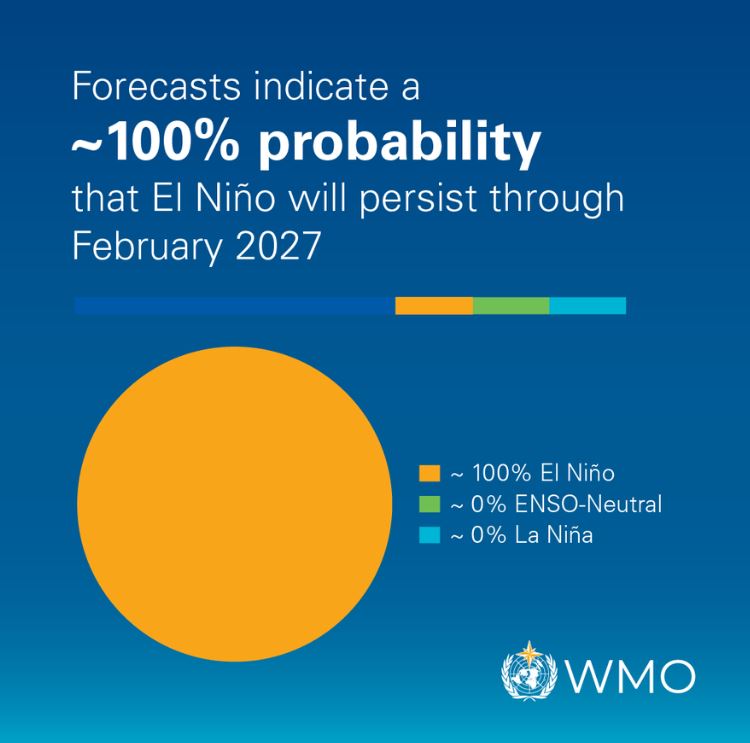
El Niño is the warm phase of a climate pattern known as the El Niño-Southern Oscillation (ENSO).
It occurs when surface waters in the central and eastern tropical Pacific Ocean become unusually warm, accompanied by changes in atmospheric circulation.
Although this happens thousands of kilometres away from Zimbabwe, the resulting changes in the atmosphere can influence weather patterns in other parts of the world.
El Niño is therefore not a weather event that occurs in Zimbabwe.
It is a large-scale climate phenomenon that can affect Zimbabwe’s weather.
El Niño is not a drought
This distinction is important.
A drought is a prolonged period of unusually low rainfall or water availability relative to normal conditions.
El Niño is a climate phenomenon.
El Niño can increase the likelihood of drought conditions in some regions, including parts of southern Africa, but an El Niño event does not automatically mean that every part of Zimbabwe will experience a drought.
The strength of the relationship can also vary from one El Niño event to another.
El Niño can influence the odds of certain weather conditions. It does not determine exactly what weather Zimbabwe will experience every day or every season.
Why does El Niño matter to Zimbabwe?
Zimbabwe is highly dependent on seasonal rainfall for agriculture, water supplies and parts of its energy system.
When rainfall is significantly below normal, the consequences can extend well beyond farmers.
Poor rainfall can affect:
Crop production
Livestock
Food security
Water supplies
Hydropower generation
Electricity availability
Rural livelihoods
Food prices
Household incomes
This is why El Niño forecasts attract so much attention in Zimbabwe.
The concern is not simply about the climate phenomenon itself. It is about what its influence on rainfall and temperatures could mean for people’s lives and the economy.
What happens to rainfall during El Niño?
El Niño is associated with changes in atmospheric circulation that can alter rainfall patterns in different parts of the world.
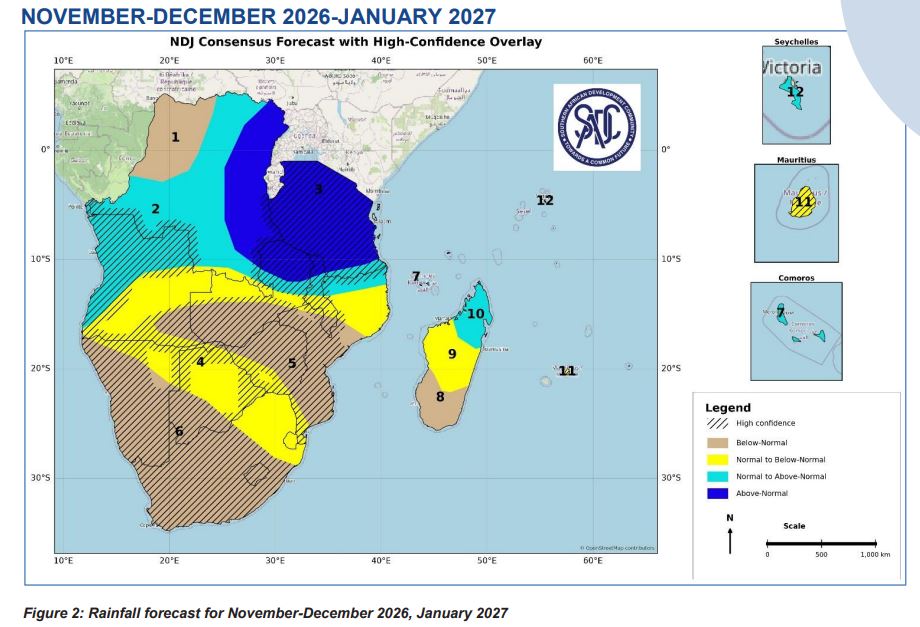
In southern Africa, El Niño has historically been associated with an increased likelihood of below-average rainfall during parts of the rainy season.
But this does not mean that the entire region receives no rain.
Nor does it mean that every El Niño produces exactly the same outcome.
Zimbabwe can still experience rainfall during an El Niño season. The issue is whether the amount, timing and distribution of rainfall are sufficient for crops, water supplies and other needs.
The timing of rainfall can be particularly important for farmers.
A season may receive reasonable total rainfall but still be difficult for agriculture if important rains arrive late, occur in short intense bursts, or are followed by prolonged dry periods.
Why can El Niño also mean more heat?
El Niño can influence temperatures as well as rainfall.
In a region already experiencing long-term warming, hotter conditions can increase pressure on water resources and agriculture.
Higher temperatures can increase evaporation and the amount of water lost from soils and plants.
This means that the consequences of below-average rainfall can be amplified by heat.
For farmers, the combination can be particularly challenging as less reliable rainfall and higher temperatures usually mean greater pressure on crops, livestock and water.
Does El Niño affect every part of Zimbabwe equally?
No.
Zimbabwe’s climate varies considerably from one part of the country to another.
Rainfall patterns, altitude, soils, water availability and agricultural practices differ across the country.
This means the effects of an El Niño event can also vary between communities and regions.
A national forecast therefore does not tell the whole story.
Understanding the local outlook is important for farmers, water managers, businesses and policymakers.
Can scientists predict El Niño?
Yes, but not perfectly.
Scientists monitor ocean temperatures, atmospheric conditions and other indicators to determine whether El Niño is developing and how likely it is to occur.
Forecasts are produced months in advance, giving governments, farmers and other decision-makers an opportunity to prepare.
However, an El Niño forecast is not a precise prediction of Zimbabwe’s rainfall.
There are uncertainties in seasonal forecasting, and other climate and weather factors can influence what ultimately happens.
This is why forecasts are usually expressed in terms of probabilities.
For example, a forecast might indicate that below-normal rainfall is more likely than normal rainfall.
What does El Niño mean for farmers?
For farmers, early information can be valuable.
An El Niño forecast can help inform decisions around:
Crop selection
Planting dates
Seed varieties
Water management
Irrigation
Livestock management
Feed planning
Drought preparedness
But farmers also need local and seasonal forecasts, rather than relying on the word “El Niño” alone.
The climate phenomenon provides part of the picture. Local weather forecasts, seasonal rainfall outlooks and agricultural advice provide additional information.
What about climate change?
El Niño and climate change are not the same thing.
El Niño is a naturally occurring climate pattern.
Climate change refers to long-term changes in the Earth’s climate, largely driven by human activities that increase greenhouse gas concentrations in the atmosphere.
However, the two can interact.
Climate change is warming the planet’s baseline temperature. This means an El Niño event occurs against a warmer background climate than it did decades ago.
Scientists are continuing to study how climate change may affect the characteristics and impacts of El Niño events.
The bottom line
El Niño is not a drought.
It is a climate phenomenon in the tropical Pacific Ocean that can influence weather patterns far beyond the region where it develops.
For Zimbabwe, El Niño is important because it can increase the likelihood of hotter and drier conditions and below-average rainfall, which can place pressure on agriculture, water resources, energy and livelihoods.
But an El Niño forecast should not be interpreted as a guarantee of drought.
QUICK FACTS
El Niño: A naturally occurring climate phenomenon involving unusually warm sea-surface temperatures in parts of the tropical Pacific and associated changes in atmospheric circulation.
Drought: A prolonged period of unusually low rainfall or water availability.
ENSO: El Niño-Southern Oscillation, the broader climate pattern that includes El Niño and its opposite phase, La Niña.
Seasonal forecast: A prediction of the likelihood of different climate conditions over the coming months, not a day-by-day weather forecast.
Discover more from CLIMATE BRIEF
Subscribe to get the latest posts sent to your email.