Zimbabwe has formally approved two major international agreements to strengthen its national climate resilience and drought risk financing framework through the African Risk Capacity (ARC).
In a post-Cabinet briefing, the government said it ratified a Memorandum of Understanding (MoU) with the global non-profit Start Network.
The agreement establishes a partnership under the ARC Replica Programme, designed to enhance the country’s structural capacity to plan, prepare for, and respond to severe weather events, with a primary focus on drought mitigation.
The Africa Risk Capacity, a specialised agency of the African Union, provides member states with predictable, index-based sovereign drought insurance.
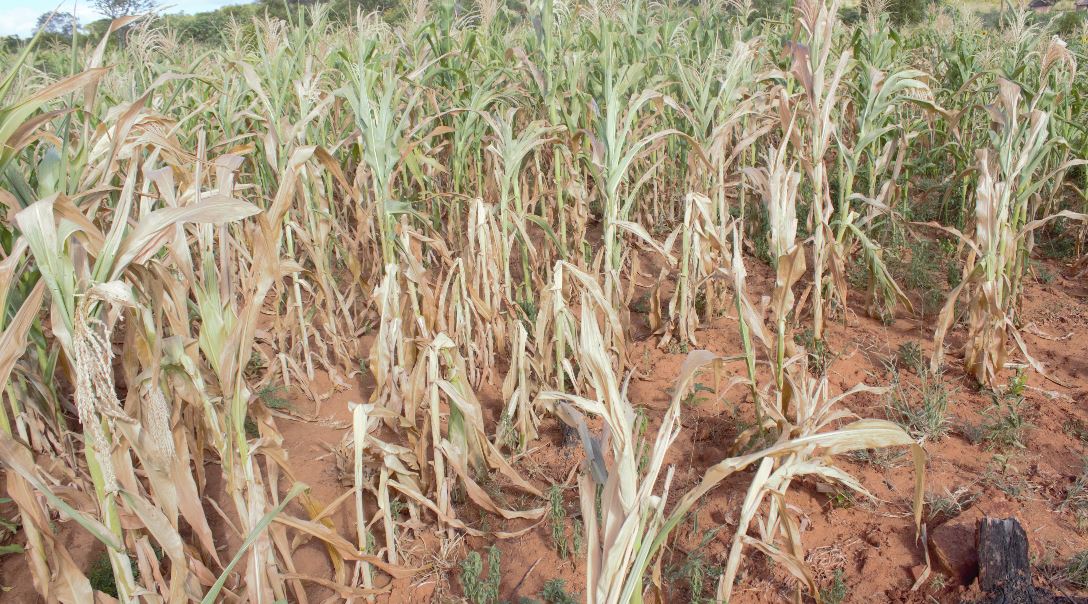
Under the ARC model, parameter-based payouts are triggered automatically when predefined rainfall or vegetation deficits are detected, allowing governments and humanitarian organisations to dispatch disaster assistance before vulnerable communities face severe food shortages.
Having previously deposited its instrument of ratification in 2025 following its initial accession, Zimbabwe is integrating Start Network as an official Replica Partner.
The designation enables Start Network to match or complement sovereign insurance policies, expanding insurance coverage to protect additional vulnerable households.
The MoU between Zimbabwe and Start Network formally paves the way for joint sovereign drought insurance purchases in upcoming agricultural seasons.
Alongside the Start Network deal, Cabinet also adopted a Tripartite Memorandum of Understanding with the United Nations World Food Programme (WFP) to expand ARC Replica coverage.
This agreement provides a legal framework for UN agencies and broader humanitarian actors to buy replica policies, scaling up the overall disaster risk financing buffer for the nation.
The moves come as Southern Africa faces increasingly volatile weather patterns driven by climate change.
Zimbabwe has previously drawn down from the ARC risk pool following severe dry spells during the 2019/2020 and 2023/2024 agricultural seasons.
Those emergency payouts directly funded food assistance programs for food-insecure households in hard-hit districts.
Zimbabwe aims to secure faster, pre-arranged climate finance mechanisms to cushion vulnerable populations against escalating climate shocks by formalising these partnerships.
Discover more from CLIMATE BRIEF
Subscribe to get the latest posts sent to your email.