
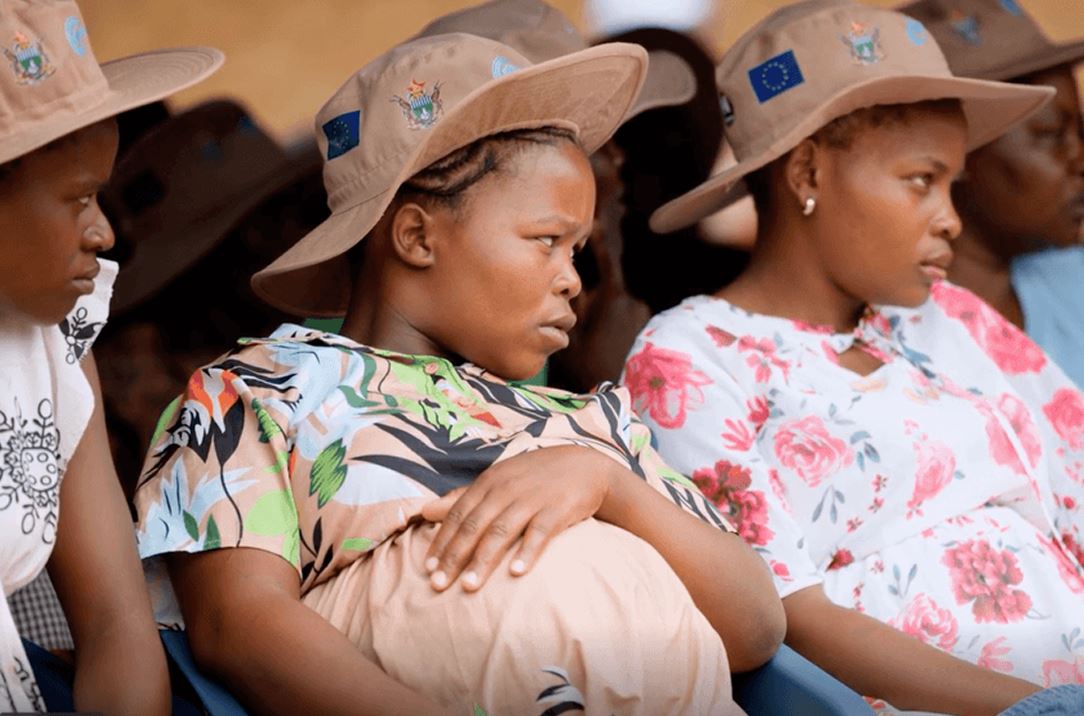
Extreme heat is increasingly affecting the health of pregnant women and newborns, with a new survey finding that maternal healthcare professionals are seeing more heat-related cases and complications.
The survey, commissioned by Wellcome and covering 1,000 maternal healthcare professionals across Australia, Brazil, India, the United Kingdom and Zimbabwe, found that 73% of respondents reported an increase over the past five years in heat-related cases or complications affecting pregnant women.
A similar 76% reported an increase in cases affecting foetal or newborn health.
The findings place Zimbabwe among countries where healthcare professionals are reporting the growing health burden associated with extreme heat, at a time when rising temperatures are putting additional pressure on communities and health systems.
“The challenge is still just basic understanding of the impacts of heat on pregnancy,” says Director of Climate, Environment and Health at Zimbabwe’s Centre for Sexual Health and AIDS Research Fortunate Machingura.
“We see a lot of adverse newborn outcomes. We see lower birth weight, we see prolonged labour in the antepartum phase, but we also see preterm birth – children coming much earlier than their time. And it’s because of this labour in the heat.”
Across the five countries, nearly all respondents said they had personally cared for a pregnant woman or baby whose health they believed had been affected by extreme heat.
The survey shows that 98% had cared for a pregnant woman, while 99% had cared for a baby whose health they believed was affected by extreme heat.
The survey also found that 23% of respondents had seen pregnancy complications requiring additional monitoring or treatment that they believed were linked to extreme heat exposure.
Healthcare professionals reported a range of effects on newborns, including:
34% reported low birth weight or restricted growth;
36% reported dehydration and heat-related illness in newborns;
36% reported difficulties with feeding, breathing and temperature regulation.
Extreme heat was also reported to affect access to maternity care. 27% of respondents said heat was making it harder for pregnant women and families to travel to or access healthcare, while 29% reported an increase in urgent or emergency presentations.
Heat Adaptation for Pregnant Women and Infants (HAPI) champion Rutendo Mhandu said heat affects the health of pregnant women.
“They may deliver a stillbirth or a lightweight baby – some of the things that I have heard happened to pregnant women because of heat. They swell, the legs swell, they get dizzy, and they also give birth to preterm babies, and babies that are not very healthy,” she said.
Why is pregnancy particularly important during extreme heat?
Pregnancy and the period after childbirth can present particular risks during periods of extreme heat.
The evidence cited by Wellcome links heat exposure with preterm birth, low birth weight, stillbirth and maternal complications.
The research cited in the campaign materials estimates that for every 1°C rise in heat exposure, the odds of preterm birth increase by around 5%.
Exposure to heatwaves is also associated with a 25% higher risk of obstetric complications.
These risks become particularly important where high temperatures coincide with challenges in accessing healthcare, maintaining hydration and keeping health facilities within safe operating conditions.
What does this mean for Zimbabwe?
Zimbabwe’s inclusion in the survey is significant because it means the country forms part of a global assessment of how frontline maternal healthcare workers are experiencing heat-related impacts.
Zimbabwe is specifically identified in the campaign as a country that is developing practical measures to protect pregnant women and babies from extreme heat.
Wellcome says its research investment includes the HAPI study in Zimbabwe and South Africa, which is testing practical interventions aimed at reducing heat exposure in healthcare settings and supporting communities.
The interventions being evaluated include:
Handheld fans, which can provide direct cooling for women and health workers;
Reflective paint on health-facility roofs, which is intended to help reduce heat inside healthcare buildings; and
Community-led climate information systems, which can support access to information about heat and climate risks.
The HAPI study provides a concrete example of efforts to identify locally practical ways of reducing heat exposure around maternal and newborn health.
Heat can affect access to care
The effects of extreme heat are not limited to what happens inside a maternity ward.
The survey found that more than one in four respondents reported difficulties for pregnant women and families in travelling to or accessing care during extreme heat.
For Zimbabwe, this is relevant to the wider question of how heat affects the ability of communities to reach health services when temperatures become dangerous.
The survey also found an increase in urgent and emergency presentations, with 29% of respondents reporting this trend.
Health workers say more support is needed
Healthcare professionals surveyed by Wellcome said health systems need additional support to respond to heat-related risks during pregnancy.
92% said they want more training and resources to protect pregnant women during extreme heat. A further 55% said clearer national or international guidance would help them provide better care.
There is also strong concern about what lies ahead. 81% of respondents said they were concerned that extreme heat would pose a growing risk to maternal, foetal and newborn health over the next five years unless more action is taken.
At the policy level, 82% said policymakers and health-system leaders should give greater priority to protecting pregnant women and babies from extreme heat.
What solutions are being proposed?
Ahead of COP31, Wellcome is calling for pregnancy and newborn health to be incorporated into national climate and health planning.
The campaign identifies three main areas for action.
Include pregnancy and newborn health in climate plans. Governments are being urged to include pregnant women, new mothers and babies in national climate and health plans, with measures that are specifically funded and accountable.
Strengthen clinical guidance. Wellcome is calling for the first World Health Organisation clinical guidance on heat, pregnancy and the postpartum period, providing healthcare workers with evidence-based guidance and helping health systems prepare for higher temperatures.
Improve data and early warning systems. The campaign is also calling for stronger data and surveillance, including heat exposure in health monitoring and early-warning systems so that the impacts on maternal and newborn health can be tracked.
Why this matters for climate adaptation
The survey places maternal and newborn health within the broader climate adaptation challenge.
Protecting pregnant women and babies from extreme heat requires measures not only at household level, but also within health facilities and wider health systems.
The findings also show that healthcare professionals themselves are asking for more resources, training and guidance as heat risks increase.
For Zimbabwe, ongoing research such as the HAPI study offers an opportunity to test practical approaches that can be applied in health facilities and communities.
Wellcome says it has invested more than £20 million in research globally to understand the risks of extreme heat during pregnancy and test local and practical solutions to protect women and babies.
As governments prepare for COP31, the campaign is calling for pregnant women, new mothers and newborns to be explicitly considered in climate action, health planning, clinical guidance and climate-related data systems.
Discover more from CLIMATE BRIEF
Subscribe to get the latest posts sent to your email.
