…as thousands of households suffer extensive damage
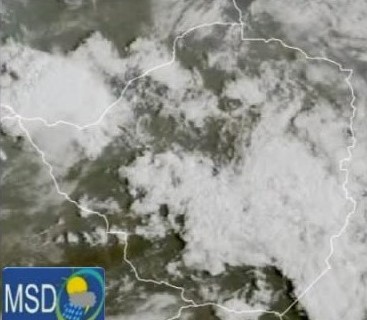
The government has declared a State of Disaster in Masvingo after a hailstorm caused widespread damage to homes, public infrastructure, and businesses, underscoring local communities’ growing vulnerability to extreme weather events.
President Emmerson Mnangagwa made the declaration under Section 27(1) of the Civil Protection Act [Chapter 10:06], following the devastating storm that struck the province on Monday.
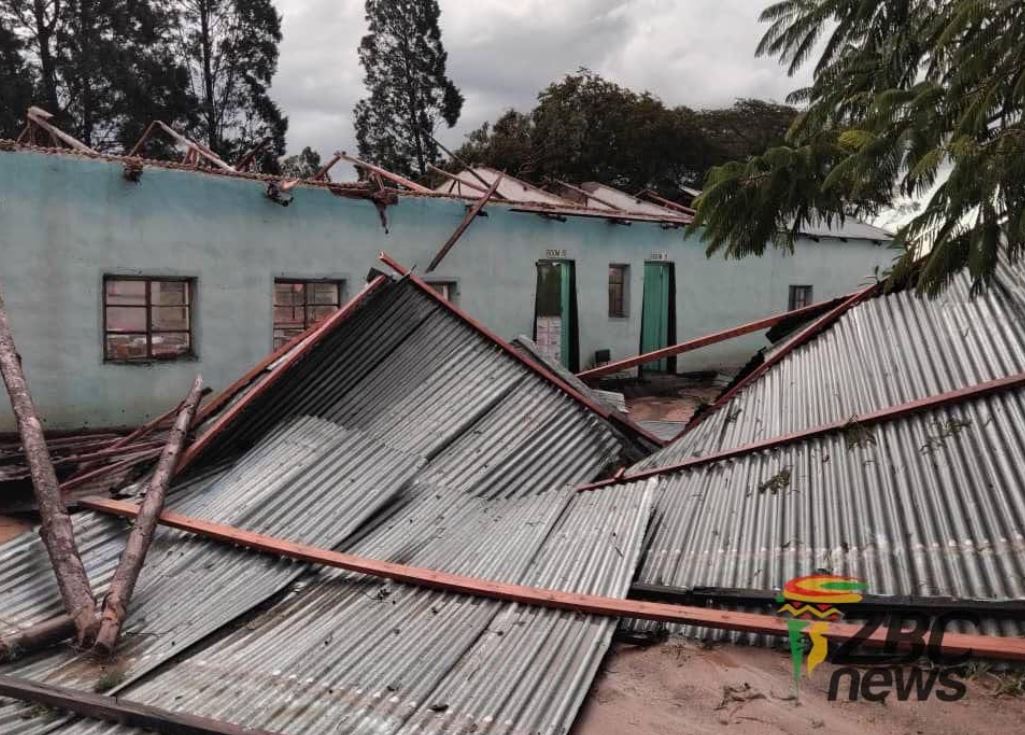
Local Government and Public Works Minister Daniel Garwe said preliminary assessments indicate that approximately 8,500 households had their roofs completely blown off, while about 90% of 17,000 households assessed had shattered windows.
The damage has left thousands of families exposed to rain and cold conditions at the beginning of the rainy season, increasing concerns over shelter, public health and the ability of affected communities to recover quickly.
“Business operations in Masvingo City have been heavily disrupted as major retail and hospitality facilities sustained significant roof compromises, resulting in severe water leaks and asset damage. Electricity infrastructure has suffered a major blow, with Zesa power lines extensively damaged across the province,” he said in a statement.
The resulting power outages have affected water pumping systems, municipal drainage and sewer networks, raising concerns about sanitation and the potential for water-borne disease outbreaks.
Critical infrastructure damaged
The storm severely affected public institutions and essential infrastructure across Masvingo City and surrounding areas.
“Severe disruptions have been recorded across major administrative and educational institutions,” the Minister said.
“Key facilities severely hit include the Great Zimbabwe University (Mucheke Campus), Masvingo Polytechnic, Masvingo Teachers College, Maud Muzenda Training Centre, the Passport Office, the Grain Marketing Board, Chiefs Hall, the Veterinary Office, the District Development Coordinator’s Office, the ZIMRE Building, Masvingo Urban VTC, Runyararo Clinic Maternity Ward, Rupiko Hall, 41 Brigade, Masvingo Airport, and the ZEC Provincial Office.”
Public health risks rise
The disruption to water and sewerage services comes as communities enter the rainy season, when heavy rainfall can increase the risk of flooding and contamination of water sources.
For households whose roofs and windows have been destroyed, continued rainfall could also worsen structural damage and increase exposure to the elements.
Government has called on state agencies to coordinate relief efforts and appealed to the private sector and development partners to support emergency response and recovery operations.
“In view of this crisis, and to facilitate rapid relief operations, I have called for all government agencies to join hands in assisting the affected communities. While the state is deploying all available resources, we make an urgent appeal to the private sector and partners to join hands with the government,” the Minister said.
A warning on climate resilience
While the declaration focuses on the immediate humanitarian and infrastructure crisis, the scale of the damage also raises broader questions about Zimbabwe’s preparedness for increasingly disruptive extreme weather.
Hailstorms are localised events and cannot automatically be attributed to climate change. However, a warmer atmosphere can hold more moisture and contribute to conditions capable of producing more intense rainfall and severe thunderstorms.
The event therefore underscores the importance of strengthening early warning systems, resilient infrastructure and disaster preparedness.
For communities, the immediate priorities are shelter, access to clean water, electricity, healthcare and protection from further weather-related risks.
For authorities, the recovery effort presents an opportunity to assess how critical infrastructure can be rebuilt to withstand future extreme weather events rather than simply restoring damaged systems to their previous condition.
The Masvingo disaster comes at a particularly sensitive time, with Zimbabwe preparing for the 2026/27 agricultural season amid concerns over rainfall variability.
The latest event reinforces the need for communities, businesses and public institutions to prepare not only for drought, but also for increasingly disruptive storms, heavy rainfall and other weather extremes.
As government mobilises resources for Masvingo, the immediate challenge will be restoring essential services and protecting affected households.
The longer-term challenge is ensuring that the province emerges from the disaster more resilient to the next extreme weather event.
Discover more from CLIMATE BRIEF
Subscribe to get the latest posts sent to your email.