Southern African nations are moving to overhaul their approach to environmental disasters, transitioning from reactive emergency responses to a permanent regional strategy of anticipatory action.
At the SADC Committee of Ministers Responsible for Disaster Risk Management meeting held this week, regional leaders called for initiatives to protect the bloc’s economy from recurring climate shocks.
The primary outcome of the summit is the operationalisation of the SADC Prepositioning Strategy. Unlike traditional models that mobilise aid after a disaster, the strategy mandates the advance stockpiling of food, medical supplies, and humanitarian equipment in strategic locations across the region.
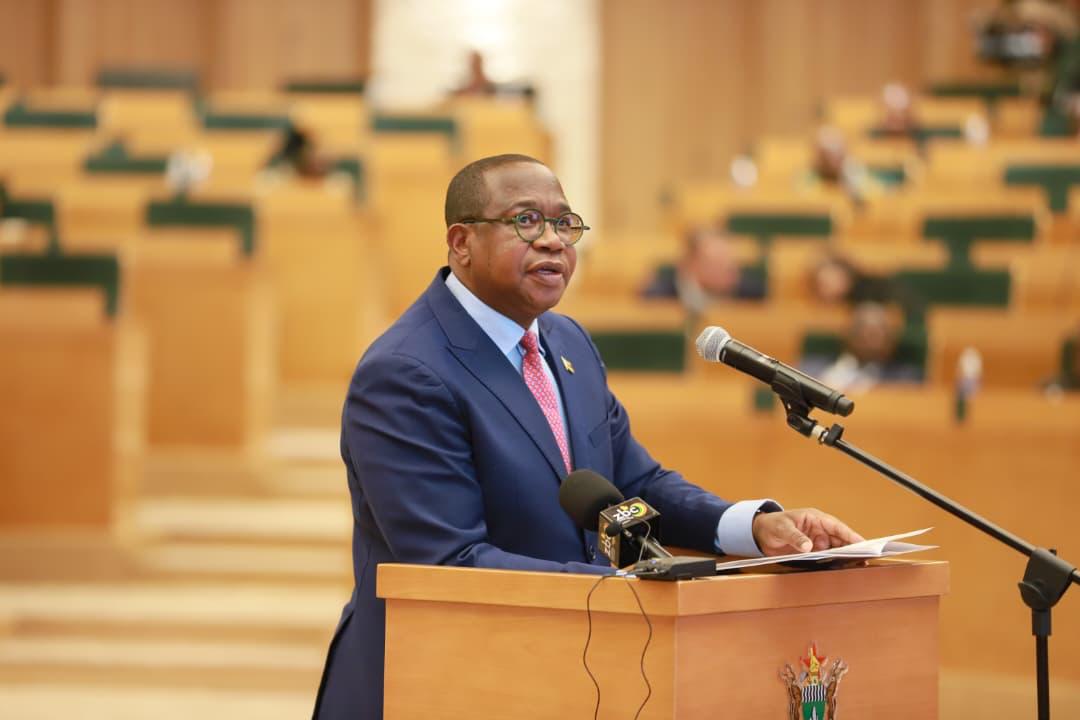
Minister of Local Government and Public Works, Daniel Garwe, noted that the recent rainfall season, which brought devastating floods to Malawi, South Africa, Mozambique, and Madagascar, demonstrated that waiting for a disaster to occur before mobilising resources is no longer sustainable.
“The disasters we face today are becoming more complex, more intense and more interconnected,” Garwe said.
“Floods, droughts, cyclones and other hazards are no longer occasional shocks, they are recurring challenges that threaten our development trajectory. We must therefore move beyond reactive approaches and embrace a proactive, forward-looking agenda.
“This encompasses incorporating anticipatory approaches in our programming in efforts to cushion communities from the adverse effects of inclement weather,” he added.
The Minister said the SADC region has made commendable progress in strengthening Disaster Risk Management systems through the establishment of regional frameworks, Early Warning Systems and coordinated response mechanisms.
“These initiatives are indeed a testament to our collective resolve. However, more needs to be done. We must therefore continue to strengthen the SADC Emergency Operations Centre and ensure that it is fully capacitated to coordinate timely and respond effectively. We must therefore invest in data, technology and information sharing to enhance Early Warning for Early Action,” Garwe said.
He highlighted that rising temperatures, erratic rainfall patterns and extreme weather events are undermining efforts to achieve sustainable development.
“We must embed climate adaptation and disaster risk reduction into our national development plans. In that regard, infrastructure must be climate-proofed to withstand the vagaries of climate change; agriculture must also adapt, while urban planning must be alive to climate risk. In doing so, we will not only reduce vulnerability but also unlock opportunities for green growth and innovation,” he said.
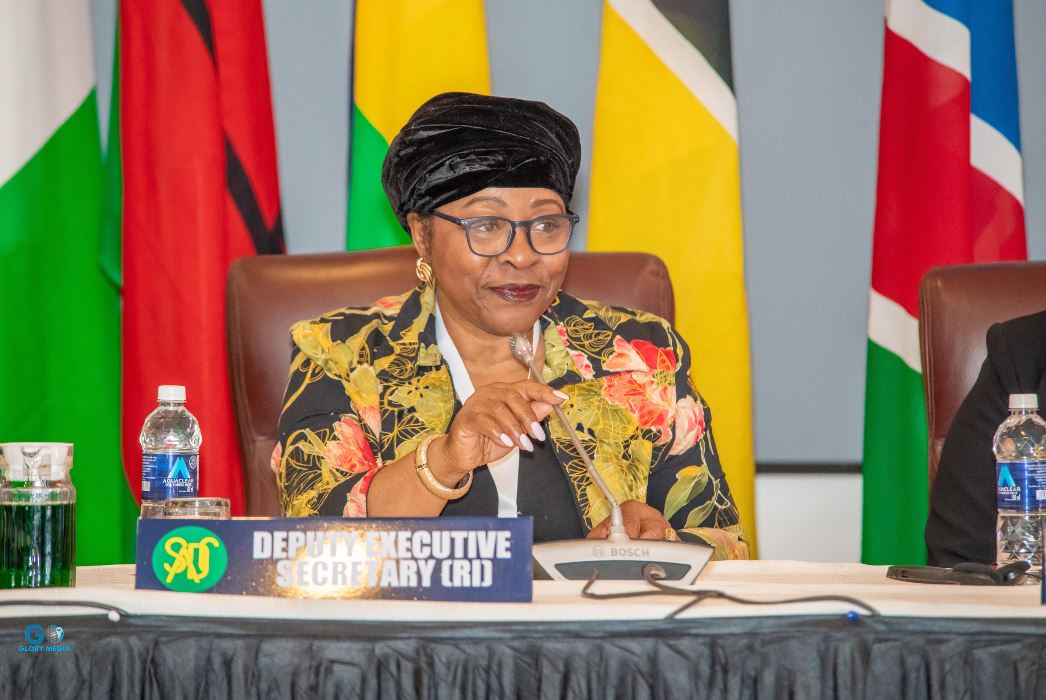
Speaking at the same event, Deputy Executive Secretary- Regional Integration Angele Makombo N’tumba highlighted that the region has continued to experience recurrent and compounding climate shocks.
She noted that several Member States were affected by tropical cyclones and floods, which resulted in declarations of states of disaster and activation of disaster response mechanisms at both national and regional levels, including deployment of Emergency Response Teams and provision of humanitarian support.
She said the 2025/26 season has provided valuable lessons by showing both the scale of exposure and the strength of solidarity as a region.
“Areas that the region still needs to strengthen include coordination, cross-border facilitation, and the need to be self-sustainable as a region when responding to disasters, particularly in search and rescue and other emergency functions,” she said.
The Deputy Executive Secretary encouraged Member States to accelerate the operationalisation of the SADC Humanitarian and Emergency Operations’ Centre, as it is central to the region’s ability to coordinate disaster preparedness, response, and early recovery.
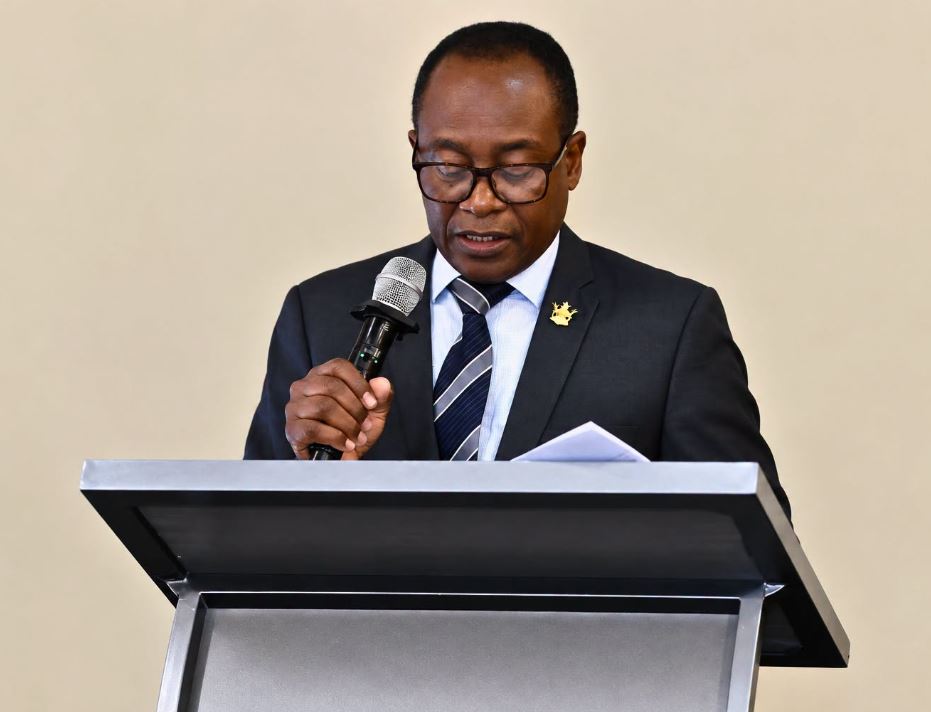
The meeting was officially opened by Velenkosini Hlabisa, Minister of Cooperative Governance and Traditional Affairs, South Africa, and Chairperson of the Committee of SADC Ministers responsible for Disaster and Risk Management.
He highlighted that disasters know no borders as intense tropical cyclones, floods, droughts, wildfires, disease outbreaks, and other hazards continue to affect communities and livelihoods, leaving a trail of destruction to infrastructure and economies.
“Climate change, rapid urbanisation, environmental degradation and socioeconomic vulnerabilities exacerbate the frequency and intensity of these disasters,” he said.
“We must continue to share information, strengthen risk intelligence, promote people-centred multi-hazard early warning systems, and enhance coordination mechanisms to enable rapid and effective responses when disasters occur. We must further recognise the importance of resilient recovery and reconstruction efforts that not only restore what has been lost but also reduce future risks.”
Discover more from CLIMATE BRIEF
Subscribe to get the latest posts sent to your email.