Leaders and experts convened at the UN Conference Centre in Addis Ababa to tackle Africa’s interconnected challenges related to climate, water, energy, and food security.
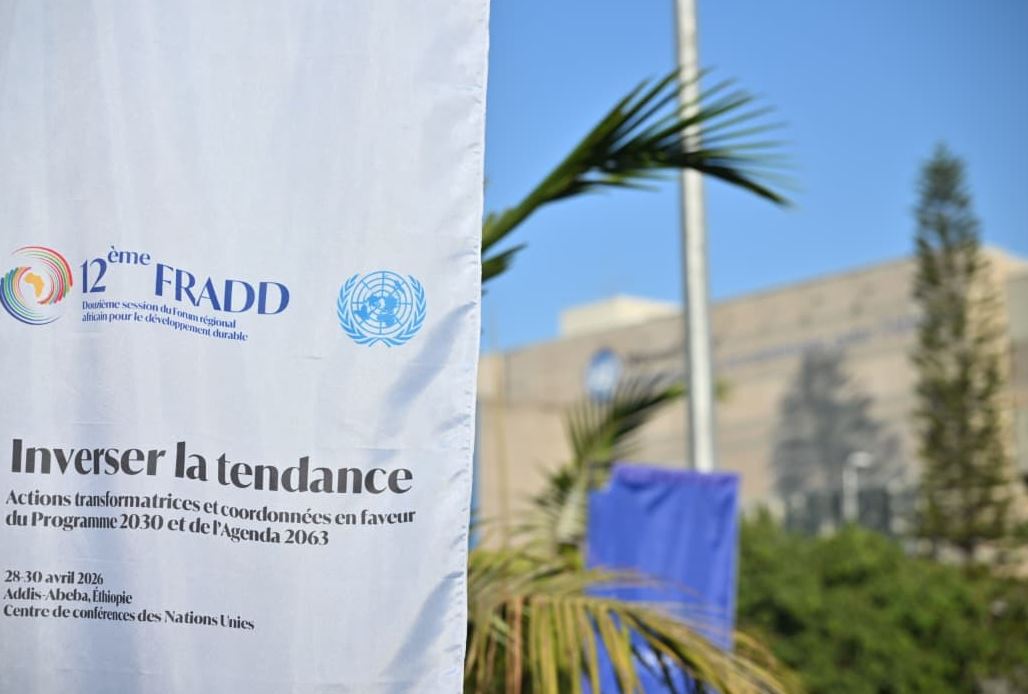
The dialogue on “Climate-Water-Energy-Food Nexus Solutions for Africa’s Sustainable Development” was a hybrid event and part of the ARFSD12 pre-events, which brought together representatives from UN agencies, the African Union, Resident Coordinators, and ministers to discuss a unified way forward.
Organised under the United Nations Africa Regional Collaborative Platform (RCP) Opportunity and Issues Based Coalition 4 (OIBC4) the dialogue aimed to equip UN Resident Coordinators and other key stakeholders with insights on integrated Climate-Water-Energy-Food solutions, identify best practices, and propose ways to dismantle policy barriers.
The dialogue focused on sharing integrated approaches, showcasing best practices, and discussing strategies at addressing policy and implementation barriers.
Participants explored financial instruments, the roles of communities, and identified solutions for water and climate risks, as well as avenues for sustainable development.
The event sought to enhance resilience, diversify energy sources, leverage regional assets, and guide leadership towards sustainable growth in Africa.
In her opening remarks, Deputy Executive Secretary, Programme Support of ECA, Mama Keita, underscored the intertwined nature of Africa’s development challenges, emphasising the need for a coordinated response to the climate, water, energy, and food crises.
“We can no longer view these as distinct issues,” Keita stated and urged stakeholders to move away from fragmented responses where institutions act in isolation, leading to competing investments.
She outlined three key priorities for collective action: fostering policy coherence, mobilizing new financing models, and enhancing investment in data and scientific research.
Keita also stressed the need for policy alignment, securing innovative funding, and investing in data and science.
Regional Director of DCO Africa, Yacoub El-Hillo, highlighted Africa’s annual losses of $200 billion due to climate change, water scarcity, and energy insecurity, which should be addressed through such fora.
El-Hillo stressed the need for integrated solutions that involve governments, the UN, and society to confront these intertwined issues.
“The Resident Coordinator system is ideally positioned to facilitate this,” he remarked, underscoring the importance of collaboration and prioritising water as a critical element of resilience.
Mathias Naab, speaking on behalf of the Regional Director of UNDP, Ahunna Eziakonwa, emphasised the urgent need for action due to the severe impacts of climate change resulting in drought, floods and extreme heat in different African countries.
He outlined five strategic shifts to bridge ambition and implementation: shifting from sector projects to integrated portfolios, from declarations to investment pipelines, boosting resilience via collaboration and UN coordination, adopting proactive risk management, and unifying the UN approach. These aim to accelerate Africa’s development.
Naab emphasised that the Resident Coordinator system can play a crucial role in offering coherent, demand-driven UN support to individual countries.
ECA Director for Strategic Planning, Results and Oversight Division, Said Adejumobi, emphasised the importance of an evidence-based approach to the Climate-Water-Energy-Food Nexus because policymakers need evidence to make informed decisions.
Speaking as the event’s moderator, he also highlighted the challenges of integrating efforts across ministries, emphasising that the effectiveness of the nexus approach needs to be demonstrated.
Discover more from CLIMATE BRIEF
Subscribe to get the latest posts sent to your email.