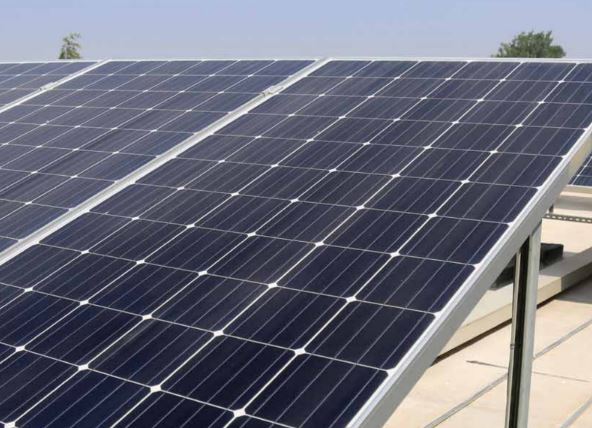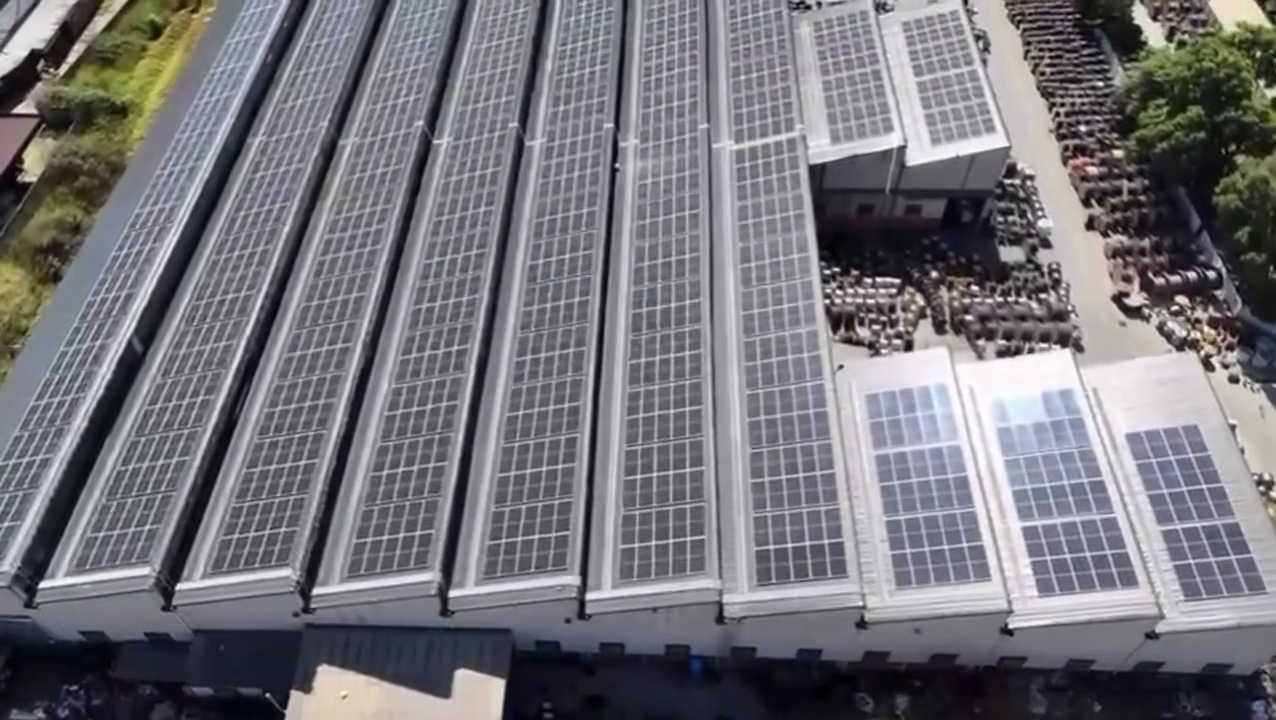
The country’s largest cable manufacturer Cafca has officially commissioned a 1.2 MW rooftop solar plant, marking a significant shift toward energy independence and decarbonisation.
The US$1 million solar outlay is expected to reduce Cafca’s carbon footprint. Cafca said the solar plant is expected to reduce its electricity consumption from the national grid by about 30%.
Speaking at the commissioning ceremony, Cafca chief executive officer Vimbayi Nyakudya said the project marks a significant milestone in the company’s sustainability agenda.
“We put up a milestone in our sustainability journey with the initiation of this 1-megawatt solar project. This initiative reduces our dependence on the national grid and also significantly lowers our greenhouse gas emissions, reinforcing our position as a pioneer in environmentally responsible manufacturing,” Nyakudya said.
Cafca operations executive Godfrey Mavera said the US$1 million investment is aimed at lowering production costs.
“We have commissioned a 1MW plant on the AC side, and it’s 1,16MW power at peak, which we commissioned in March 2026. It was motivated by our drive to reduce factory recoveries so that we can pass that benefit to the end user in the marketplace,” he said.
“We have to improve our manufacturing efficiencies, and one of the major cost drivers in manufacturing is electricity, which contributes about 10% of our total costs. That motivated us to put up a solar plant to offset our electricity self-consumption. Around 30% of our electricity requirements are now covered by the solar plant, and this reduces our total electricity bill by approximately 30%.”
Cafca sales and marketing executive Brazil Makoni said excess electricity generated by the solar plant would be exported to the national grid under a net-metering framework.
“So, out of what we generate through solar, not all of it is consumed because it depends on the load during the day. You get your peak production of solar energy from around 11am to around 4pm,” he said.
“What it produces sometimes is not used because it depends on what you are running in the factory, so the balance of it is exported into the Zesa grid.
“We believe in sustainability. Solar power is clean power and green power. This investment goes beyond the financial numbers. It is testimony that we mean what we tell our stakeholders and the market regarding sustainability,” he added.
The shift toward solar energy among Zimbabwean companies has evolved from a sustainability trend into a core business necessity.
Discover more from CLIMATE BRIEF
Subscribe to get the latest posts sent to your email.