Zimbabwe and Japan have formalised a new partnership aimed at strengthening food security against the backdrop of escalating climate shocks and geopolitical instability.
Under the programme, the government of Japan will provide agricultural equipment valued at approximately US$2.6 million to support Zimbabwe’s agriculture sector.
The assistance aims to enhance productivity, improve food security, and contribute to sustainable economic growth.
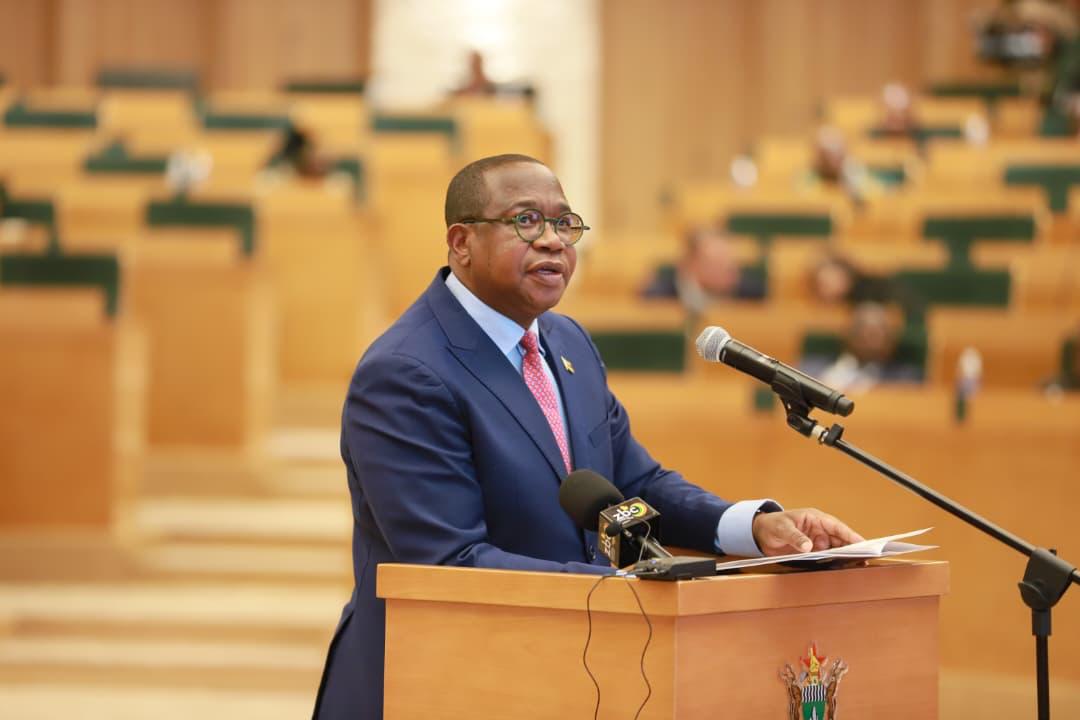
During a signing ceremony held in Harare, Finance and Economic Development Minister Mthuli Ncube said the funding, provided under the Economic and Social Development Programme, specifically targets the advancement of rice production technologies.
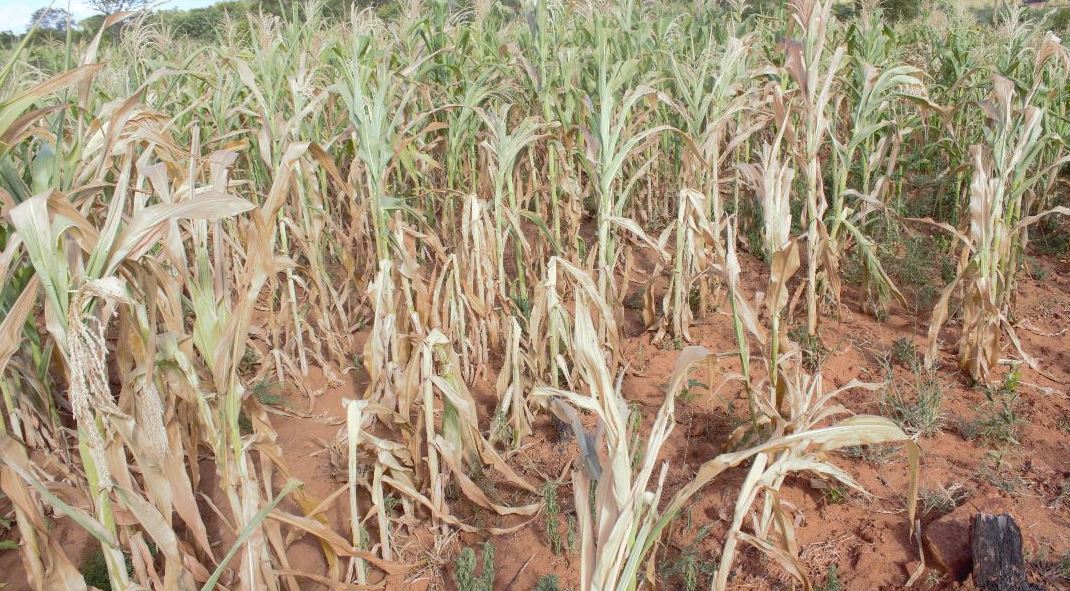
The initiative is designed to cushion Zimbabwean citizens from the negative impacts of climate change, which Minister Ncube identified as a primary driver of global food insecurity.
“The rising global conflicts and climate change negatively impact global food security, calling for the need to improve food production systems through research and investment in new technologies. The narrative is clear, we need innovative solutions, leveraging on research to improve food production,” Ncube said.
The program seeks to modernise food production systems to ensure long-term stability by investing in new research and technological infrastructure.
The scope of the project includes the establishment of two centers of excellence for rice research. These facilities will be equipped with field machinery, post-harvest processing tools, and laboratory equipment intended to build the capacity of researchers within the national agricultural research system.
The program will also facilitate the expansion of New Rice for Africa production across Manicaland, Masvingo, Mashonaland East, and Mashonaland Central provinces.
The Minister said the agricultural support aligns with the priorities of Zimbabwe’s National Development Strategy 2, which emphasises food security, climate resilience, and environmental protection.
He added that it complements existing domestic efforts such as the Accelerated Irrigation Rehabilitation and Development Plan, which serves as the country’s foundation for climate-proofing the agricultural sector.
Minister Ncube noted that such strategies are essential for the nation to exploit its full economic potential while maintaining national sovereignty over its food supply.
Ambassador of Japan to the Republic of Zimbabwe, Nobutaka Maekawa, said Japan is pleased to support Zimbabwe’s agricultural development through this programme.
“We hope that the provision of agricultural equipment will enhance productivity and contribute to food security and economic resilience. Japan remains committed to strengthening the longstanding friendship and cooperation between our two countries,” Maekawa said.
The agreement marks a continuation of a long-standing bilateral relationship between the two nations.
Beyond this latest agricultural grant, Japan has previously supported a wide array of climate and infrastructure projects in Zimbabwe, including irrigation schemes in Nyanga, fertiliser procurement for small-scale farmers, and various emergency food assistance programs facilitated through the United Nations World Food Programme.
The Ministry of Agriculture is designated to lead the implementation of this latest program to ensure the technical coordination necessary for its success.
Discover more from CLIMATE BRIEF
Subscribe to get the latest posts sent to your email.