The African Development Bank Group (AfDB) has approved a $25 million grant to help rural Zimbabweans address climate change.
The grant will restore smallholder farms, improve water and grazing land, and drive private sector growth in the region.
Funded by the Bank’s Transition Support Facility (Pillar 1), the Zimbabwe Agricultural Climate Resilient and Vulnerability Reduction Project (ACRES) will run from 2026 to 2030, delivering essential support to the country’s most vulnerable regions.
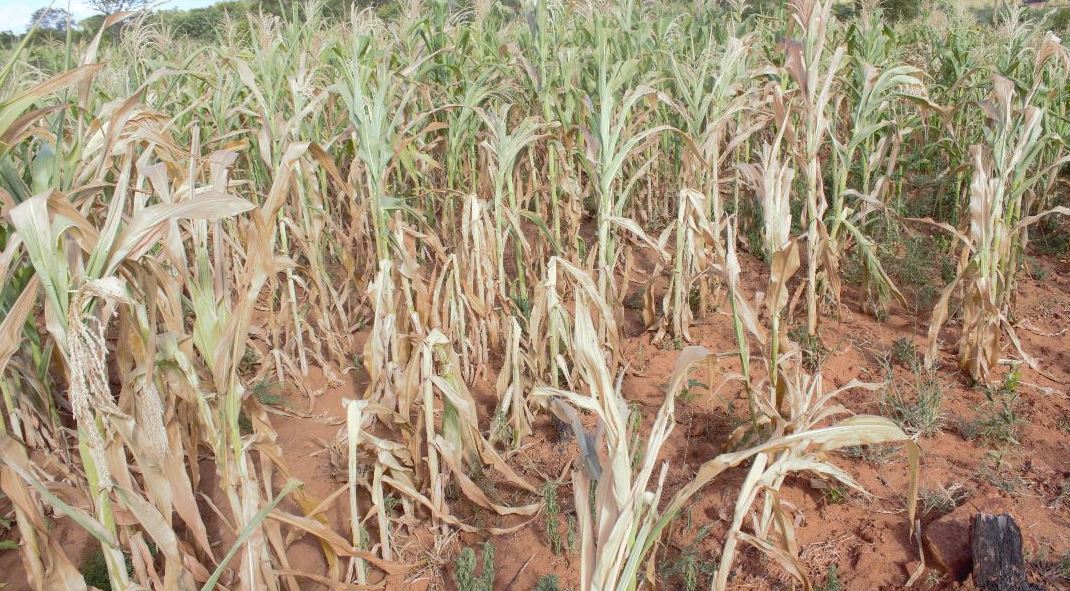
ACRES will be deployed in two of Zimbabwe’s most climate-exposed provinces: Masvingo Province (Gutu District) and Matabeleland South (Gwanda, Matobo, Mangwe, and Bulilima Districts) — regions defined by high livestock populations and extreme vulnerability to erratic, low, and declining rainfall.
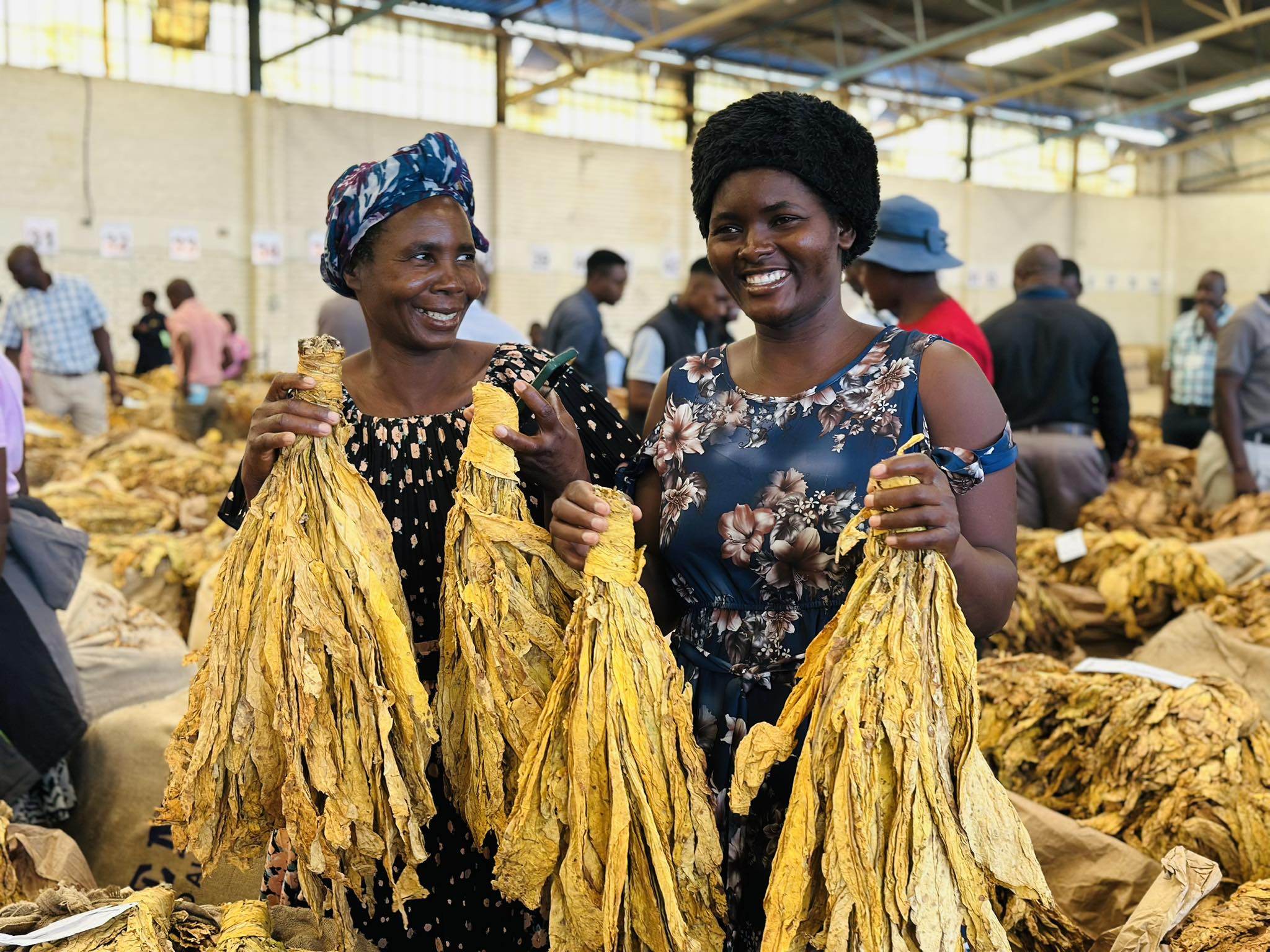
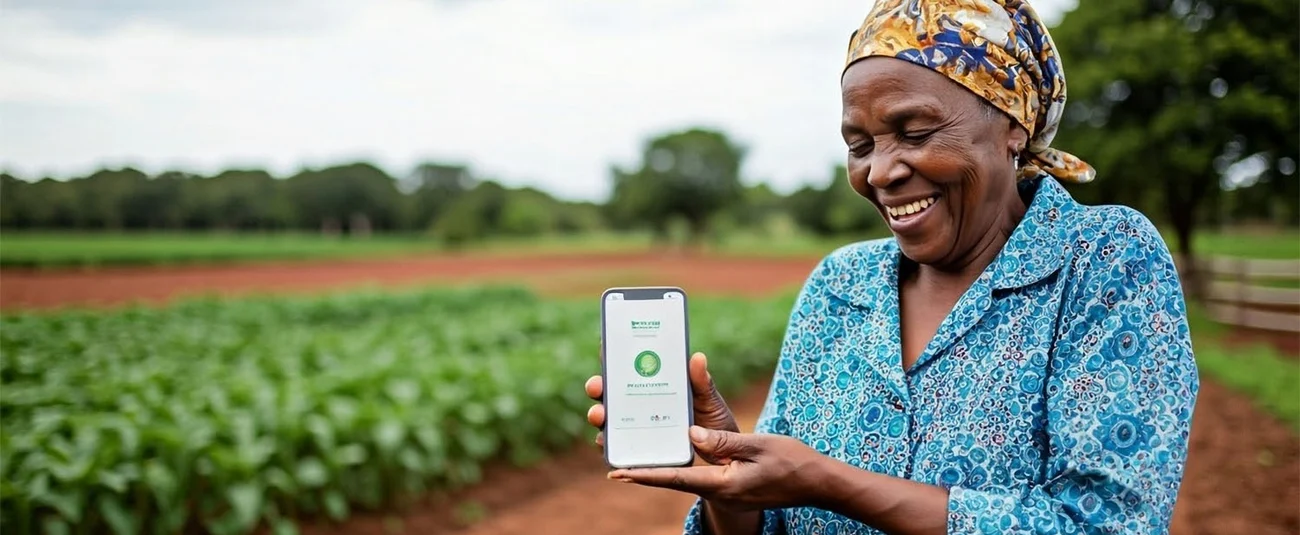
The project will directly benefit 92,500 vulnerable rural smallholder farmers – at least 50% of them women and 20% youth – who face the burden of food insecurity, recurrent droughts, and limited economic opportunities, leading to widespread poverty and irregular migration.
Beyond the direct beneficiaries, an estimated 200,000 people in surrounding areas will benefit from improved infrastructure and enhanced food security, nutrition, and economic stability.
The project will also create 320 full-time and 2,100 seasonal jobs across crop and livestock value chains.
“This investment represents a critical intervention to build climate resilience, reduce vulnerability, and improve food and nutrition security in Zimbabwe’s most vulnerable rural communities,” AfDB’s Country Manager for Zimbabwe Eyerusalem Fasika said.
Martin Fregene, African Development Bank Director of Agriculture and Agro-Industry, underscored the initiative’s alignment with the Bank’s Four Cardinal Points.
“The project will enhance the adaptive capacity, promote sustainable economic opportunities, and strengthen rural communities’ resilience to climate change, within the target areas,” Fregene said.
The AfDB has long been a cornerstone partner in Zimbabwe’s rural development journey, making sustained investments that have progressively reduced food insecurity and poverty.
ACRES deepens that commitment and signals the government’s resolve to put climate-smart agriculture and agricultural infrastructure investment at the center of its development agenda.
Discover more from CLIMATE BRIEF
Subscribe to get the latest posts sent to your email.