A rapid transition from El Niño-driven drought to La Niña-related extreme weather has left approximately 1.9 million people across Southern Africa in need of assistance, a new report shows.
According to the latest impact snapshot released by the United Nations Office for the Coordination of Humanitarian Affairs (OCHA), since mid-December 2025, persistent heavy rains and successive tropical cyclones have caused widespread destruction in Zimbabwe, Mozambique, Madagascar, Malawi, Zambia, and South Africa.
As of mid-February 2026, the report states that the regional death toll has exceeded 300, with over 170,000 people displaced from their homes.
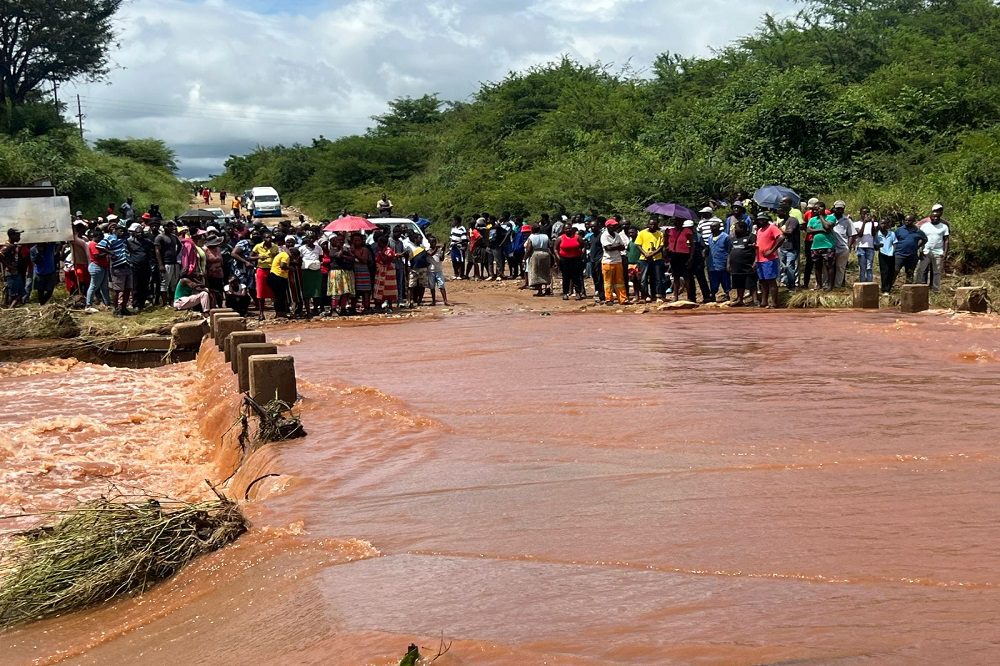
In Zimbabwe, the impact has been felt nationwide across all ten provinces. Data from the Zimbabwe National Water Authority indicates that most dams reached 100 percent capacity by early February, prompting government warnings for communities in downstream and flood-prone areas.
By mid-February, at least 109 fatalities were confirmed in the country due to rainfall-related incidents, including drowning, lightning strikes, and infrastructure collapses.
Nationwide, approximately 41,475 Zimbabweans (8,295 households) have been affected, according to OCHA.
The flooding has caused significant damage to critical infrastructure, including 236 schools, 15 health facilities, and various roads and bridges.
In some districts, communities remain isolated as floodwaters have cut off primary access routes, complicating the delivery of essential supplies.
“In Zimbabwe, heavy rains from 13 to 24 January caused dam spillages, river overflows, and flash floods, prompting the Department of Civil Protection to request Zimbabwe Red Cross Society support for life-saving assistance. Since January, at least 123 deaths and multiple injuries have been reported,” OCHA said.
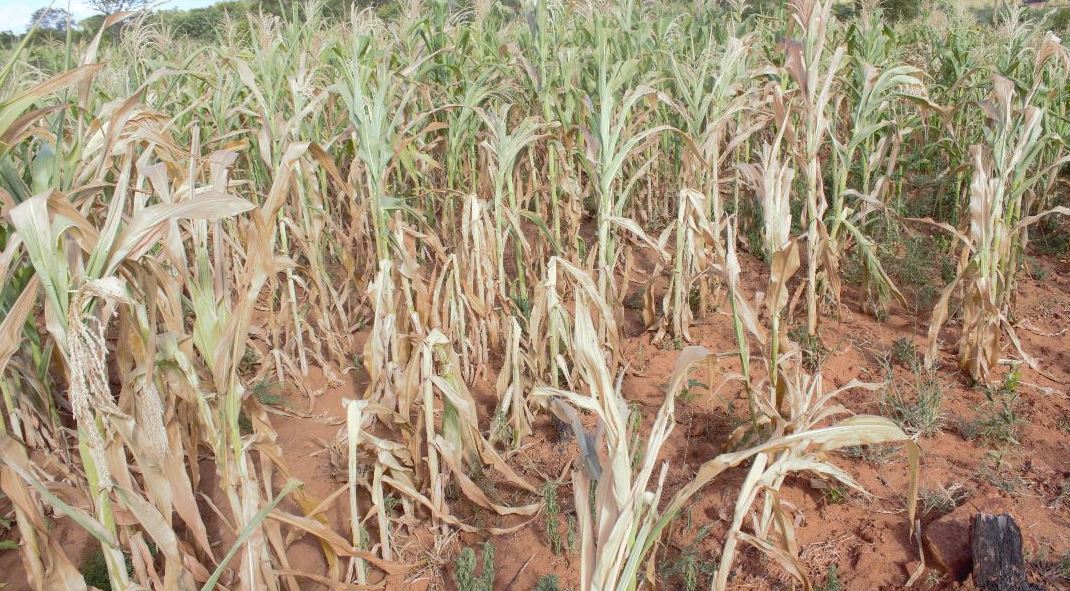
Regionally, Mozambique and Madagascar report the highest impact. In Mozambique, flooding has affected 723,000 people and destroyed an estimated 717,000 hectares of farmland, a development that humanitarian agencies warn will exacerbate food insecurity following the previous season’s drought. Madagascar was struck by two major systems—Tropical Cyclone Fytia in late January and Intense Tropical Cyclone Gezani in early February—affecting more than 681,000 people.
Public health risks are rising across the region. Overcrowding in temporary shelters and the destruction of water and sanitation systems have led to cholera outbreaks in Zambia and Zimbabwe, while health officials in Malawi and Mozambique remain on high alert.
The humanitarian response is currently being led by national governments with support from the SADC and international partners.
However, relief efforts face significant constraints, including a shortage of emergency funding and physical access challenges caused by damaged transport networks.
Meteorological projections indicate that the risk of flooding remains high. Normal to above-normal rainfall is forecast for most of the region through June 2026, raising concerns of further displacement and continued pressure on already strained recovery efforts.
Discover more from CLIMATE BRIEF
Subscribe to get the latest posts sent to your email.