Severe weather can develop quickly, leaving communities with little time to respond. But timely and accurate warnings can give people a critical window to protect lives, property and livelihoods.
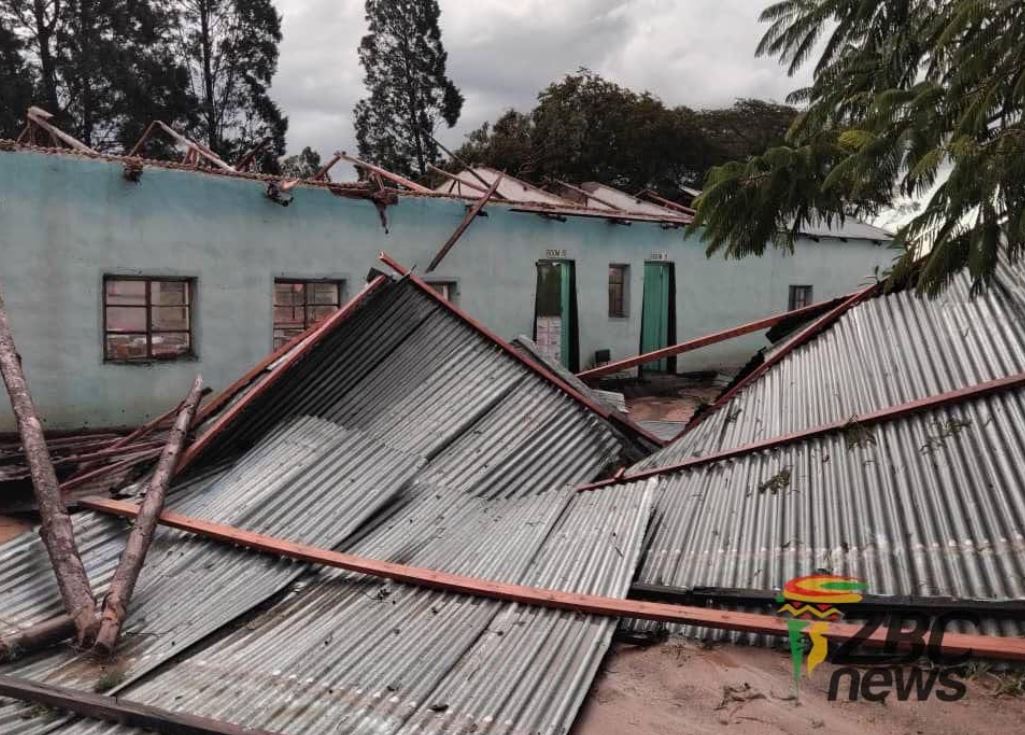
The severe hailstorm that struck parts of Masvingo on Monday night, damaging homes, vehicles and infrastructure and forcing some families to seek temporary shelter, is a reminder of the importance of being prepared for hazardous weather.
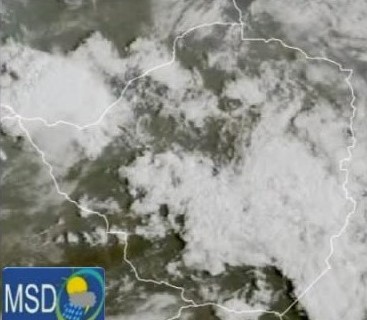
The Meteorological Services Department of Zimbabwe regularly issues forecasts and warnings when conditions are expected to become hazardous.
On Monday, the national weather outlook warned of thunderstorms in parts of the country and advised the public to take precautions, including seeking shelter indoors when thunder is heard.
But an early warning is only effective if it leads to early action.
What is an early warning?
An early warning is information issued ahead of a potentially dangerous event to alert people to the risk and help them take steps to protect themselves.
For severe thunderstorms, this can include warnings about thunderstorms, strong winds, lightning, heavy rainfall or hail.
The amount of advance notice can vary depending on the type and speed of the weather system. Some events can be forecast several days in advance, while more immediate warnings may only provide a few hours or minutes of notice.
Why does early warning matter?
The most important benefit is the opportunity to act before hazardous weather arrives.
For households, this can mean moving vehicles and other valuables to safer places, securing loose objects, closing windows and doors, charging phones and ensuring children and vulnerable family members are indoors.
For farmers, early information can help them move livestock to safer areas, protect equipment and take other measures to reduce potential losses.
For schools, businesses and public institutions, warnings can support decisions about whether activities should continue, be postponed or be moved indoors.
For emergency services and local authorities, early warnings provide an opportunity to prepare personnel, equipment and temporary shelters before an event occurs.
A warning must reach the people at risk
Forecasting a storm is only one part of an effective early warning system.
People also need to receive the information through channels they can access and understand. This can include weather bulletins, radio, television, social media, mobile communications and local authorities.
Warnings also need to be clear about what is expected, where it is likely to occur, when it may happen and what people should do.
This is the difference between simply communicating weather information and communicating a warning that can drive action.
Early warning does not mean every forecast will result in a disaster
Weather forecasting involves uncertainty. A warning about thunderstorms does not mean that every location within the forecast area will experience damaging hail, strong winds or flooding.
Instead, warnings communicate risk and allow people to make informed decisions based on that risk.
The Masvingo storm also highlights why preparedness remains important even when the precise location or severity of an event cannot always be predicted with certainty.
From early warning to early action
Communities can reduce their exposure to severe weather by taking warnings seriously and knowing what to do before storms arrive.
When thunder is heard, people should move indoors to a safe, earthed building. They should avoid sheltering under trees, standing near tall objects or remaining close to water bodies.
Livestock should also be moved to safe areas away from rivers and dams.
For authorities, effective early warning systems require more than forecasts. They depend on reliable communication networks, public awareness, emergency preparedness and coordination between meteorological authorities, local authorities, disaster-response agencies and communities.
The bigger lesson
As communities face weather-related hazards, the value of early warning systems lies not only in predicting what the weather may do, but in giving people the information and time needed to reduce its impact.
An early warning cannot stop a storm from forming. But it can help people avoid being caught unprepared.
Discover more from CLIMATE BRIEF
Subscribe to get the latest posts sent to your email.