Zimbabwe is establishing a single coordination platform and investment pipeline to translate climate early warnings into funded action on the ground ahead of the 2026/27 farming season.
This comes as forecasts warn of an 88–94% likelihood of El Niño during the 2026/27 rainy season, alongside a 65% probability of below-normal rainfall.
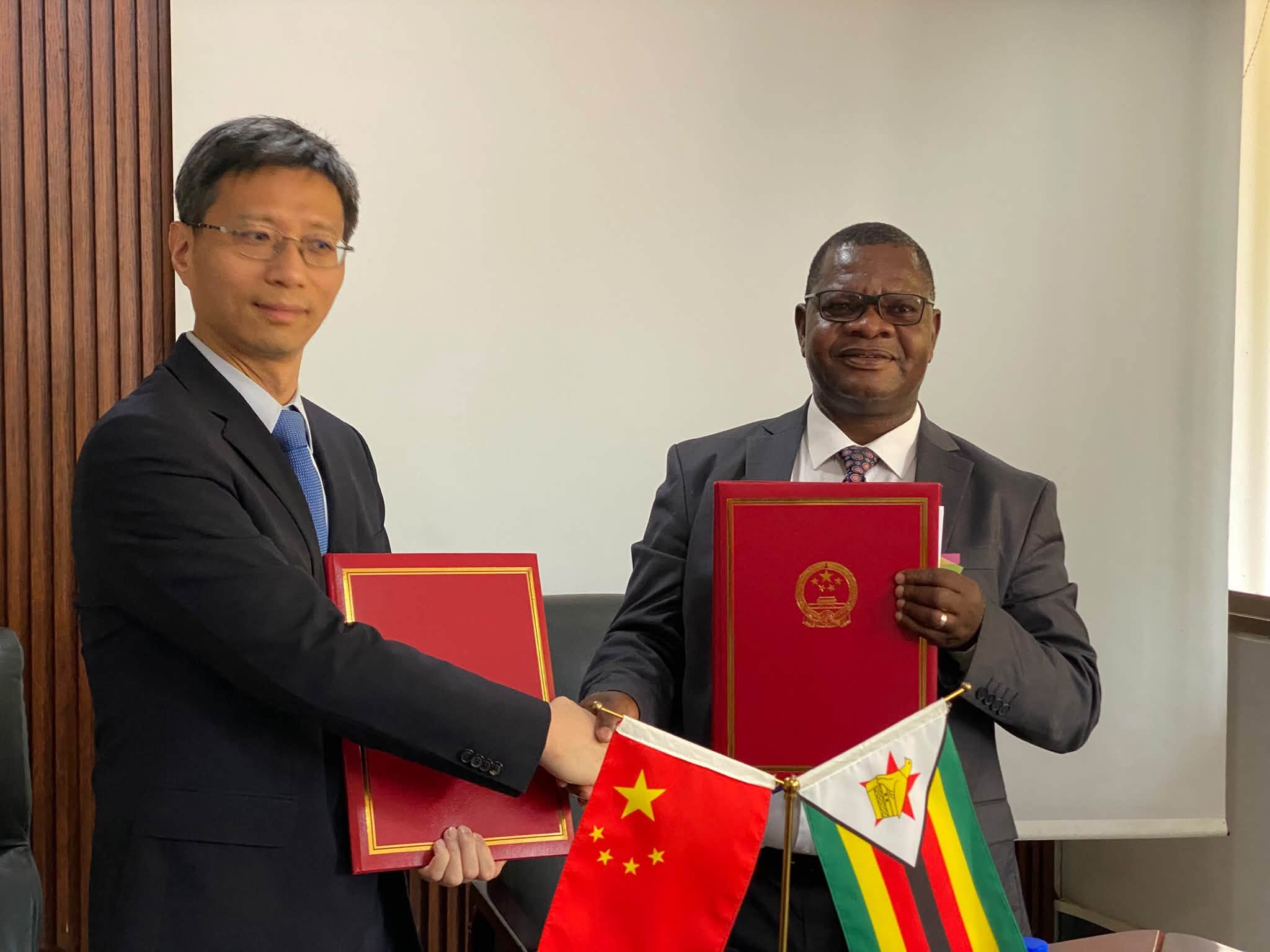
In response, the government, the Food and Agriculture Organisation, and key development partners have launched the operational phase of the Drought Action Committee.
The committee brings together government agencies, financial institutions, and agricultural stakeholders to align resources and safeguard rural communities against projected climate shocks.
To ensure rapid execution, the Drought Action Committee has set a 90-day challenge to turn strategy into concrete action on the ground.
Immediate priorities under this drive include developing the nation’s first costed, agriculture-wide drought investment plan, identifying high-priority investment cases, and mobilising initial financing commitments ahead of the upcoming season.
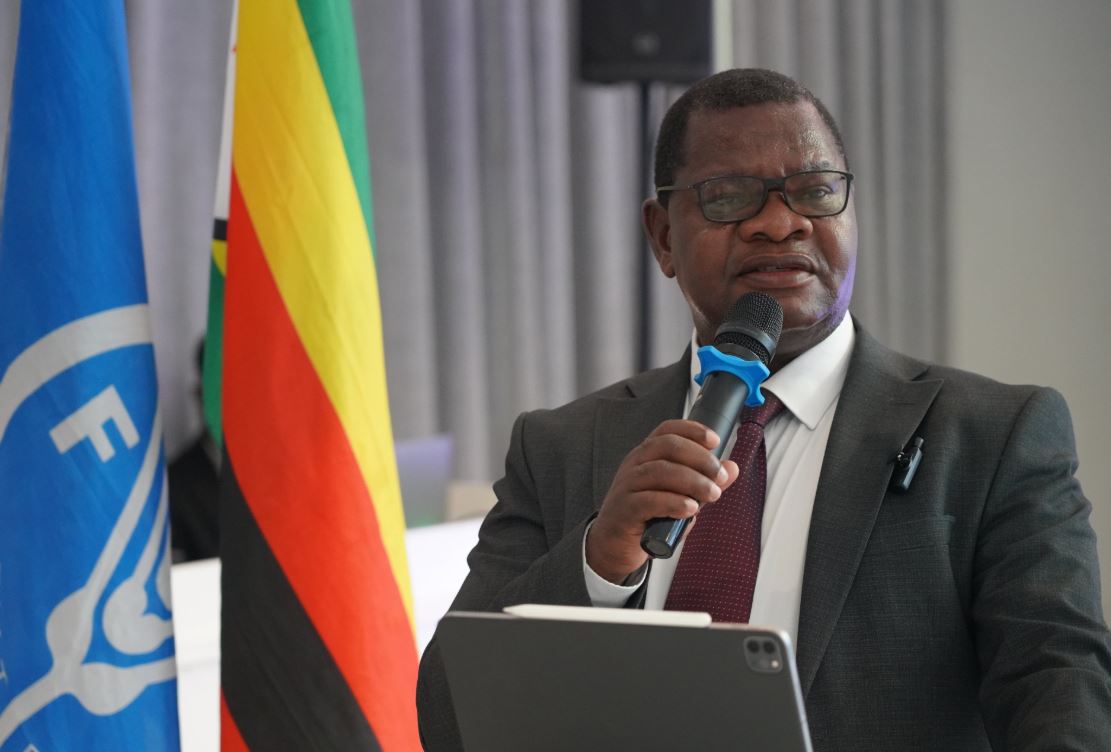
Speaking at the Drought Action Committee High-Level Inception and Partnership event, Permanent Secretary in the Ministry of Agriculture Professor Obert Jiri highlighted the need to move beyond forecasting and planning to implementation.
“We have the early warning. We have the evidence. We have the plan. We have the platform. What we need now is financed action,” he said.
Why act before the drought?
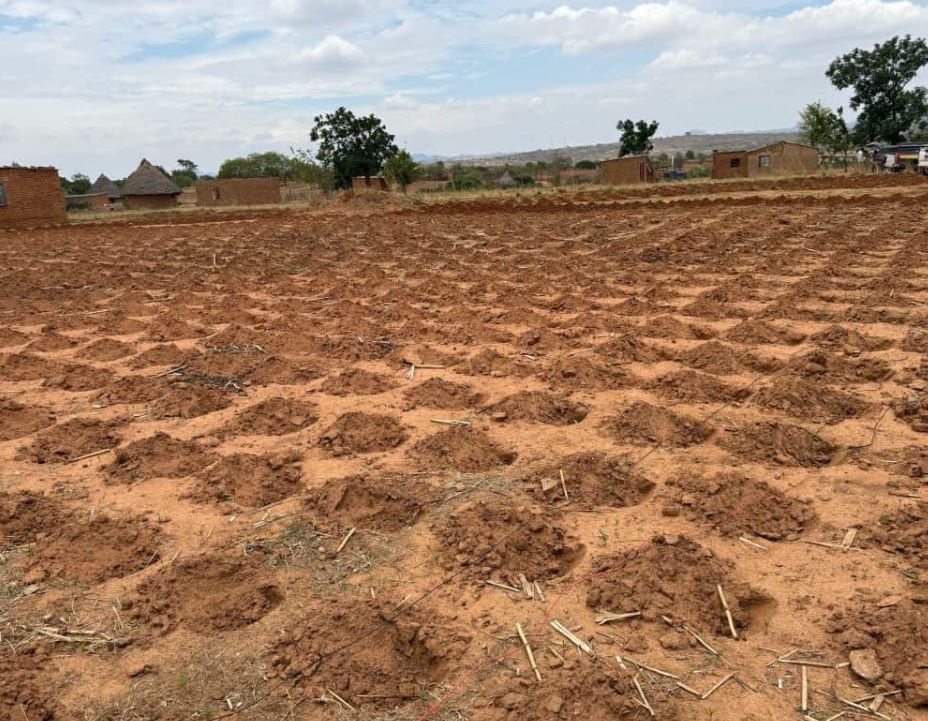
Drought impacts rarely begin when the first dry spell arrives. Farmers may have already decided what to plant, bought inputs, and committed resources to a season before rainfall patterns become clear.
Early action allows them to adjust. Farmers can consider planting decisions, crop varieties, water management and livestock strategies based on expected conditions.
Authorities and humanitarian organisations can identify vulnerable communities and plan interventions before food, water or livestock pressures become acute. This is the difference between anticipating a risk and responding to a crisis.
From early warning to early action
Weather and climate forecasts provide an indication of what conditions may lie ahead. But information alone does not reduce the impact of drought. The real value comes when forecasts trigger decisions.
That can mean pre-positioning resources, supporting farmers with appropriate inputs and advice, strengthening water management, protecting livestock and identifying communities that may require assistance.
The Drought Action Committee is intended to bring these efforts together through one plan, one coordination platform and one investment pipeline, helping turn preparedness priorities into coordinated, accountable and financed interventions.
Why financing matters
A drought response cannot be built entirely once the crisis is already underway.
Resources may be needed in advance to support farmers, protect livestock, strengthen water systems and reach vulnerable communities. Without funding, even well-developed preparedness plans can remain on paper.
Financing early action can also help reduce the cost of responding later, when households may already have lost crops, livestock or income and food and water pressures have intensified.
Why coordination matters
Drought affects more than agriculture.
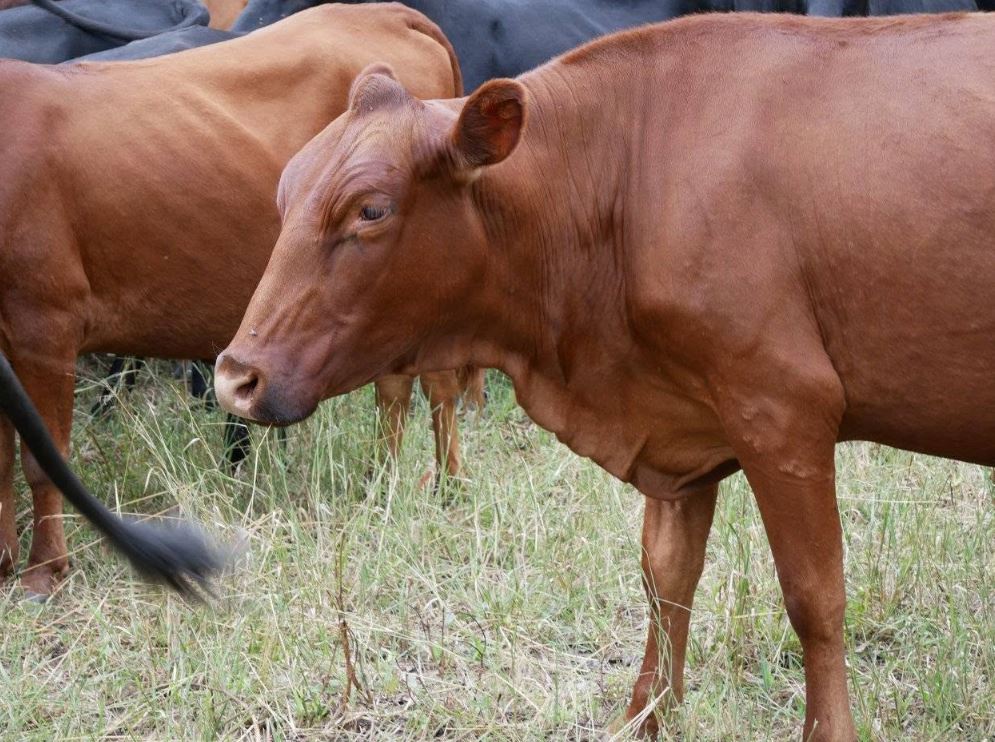
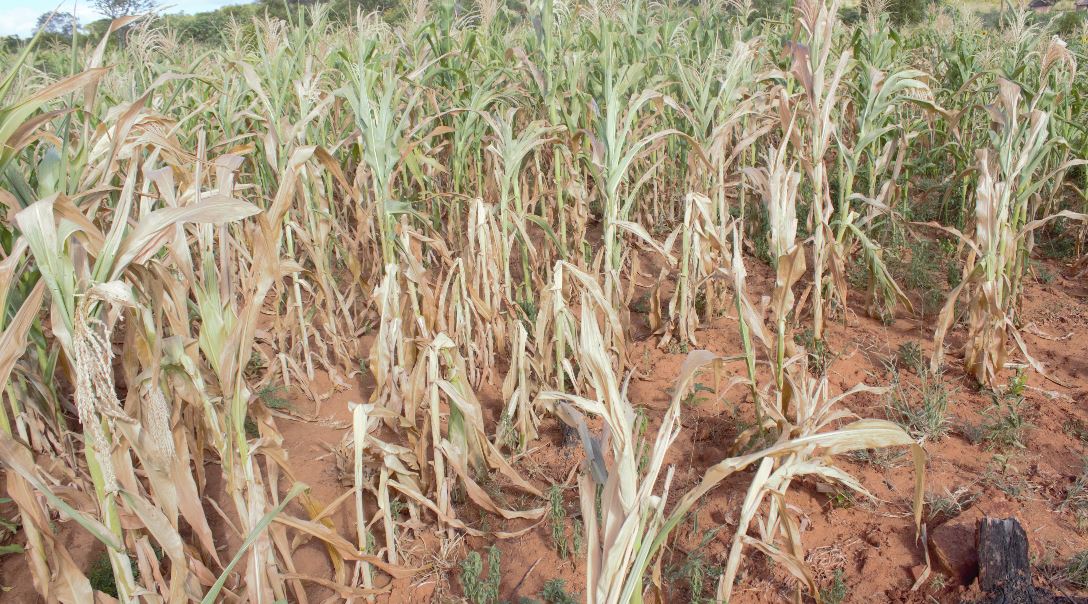
Reduced rainfall can put pressure on water supplies, livestock, household incomes, food availability and energy generation.
The effects can spread from rural communities into markets and the wider economy. No single institution can address all of these risks alone.
Bringing government, farmers, businesses, financial institutions, development partners and other stakeholders together allows resources, information and expertise to be coordinated around shared priorities.
What the forecast means and what it does not
A forecast of below-normal rainfall is a signal of increased risk, not a guarantee that every part of Zimbabwe will experience drought in the same way.
Rainfall can vary considerably between locations and throughout the season. Forecasts also carry uncertainty and will be updated as the season progresses.
That uncertainty is precisely why preparedness matters.
Acting early does not mean assuming the worst. It means using the best available information to reduce potential losses while there is still time to make decisions.
The bigger lesson
Zimbabwe’s preparations for the 2026/27 season illustrate a broader principle in climate resilience that an early warning is only as valuable as the action it triggers.
The country has forecasts, evidence and a coordination platform. The next test is whether these can translate into timely, adequately financed measures that protect food production, livestock and rural livelihoods.
For drought preparedness, the goal is not simply to respond better when the crisis arrives. It is to reduce the impact before it does.
Discover more from CLIMATE BRIEF
Subscribe to get the latest posts sent to your email.