Staff Writer
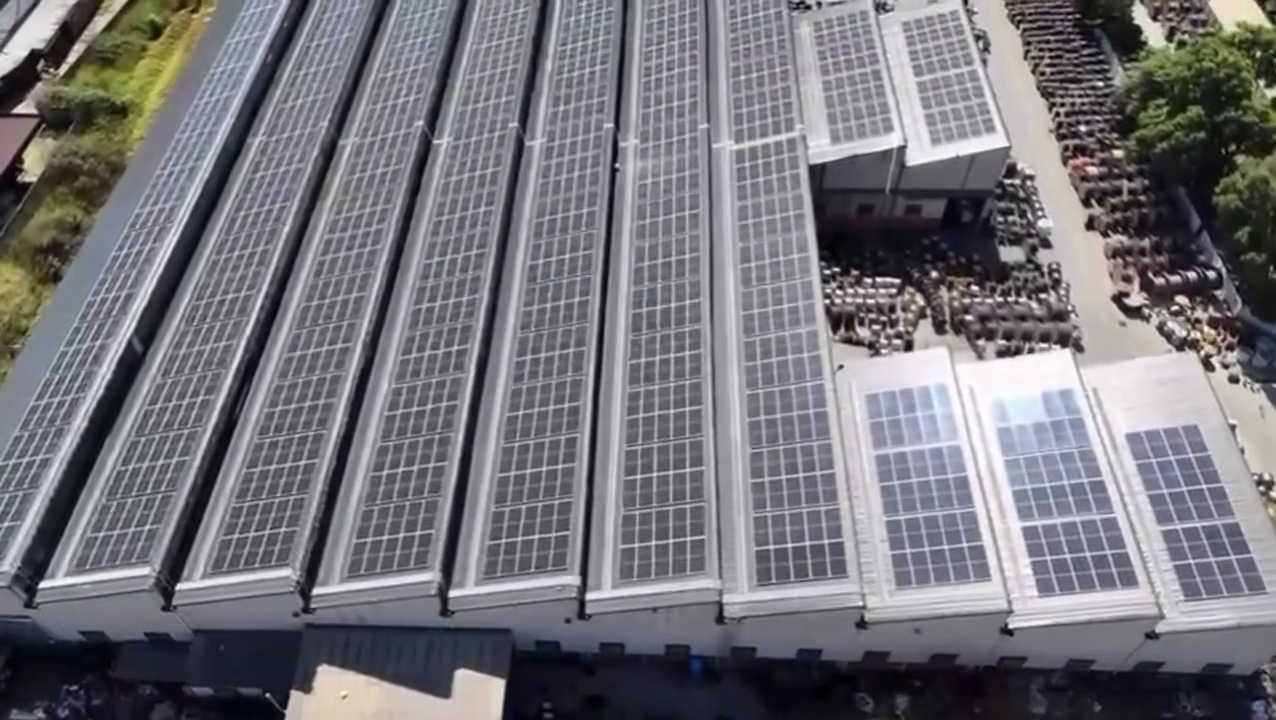
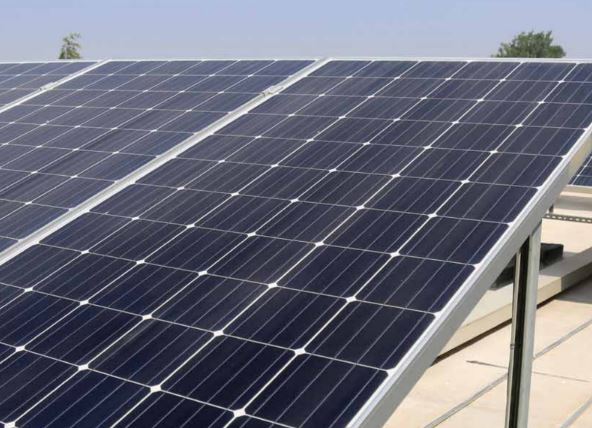
Zimbabwe is accelerating investments in renewable energy, with plans to develop 500 megawatts of solar capacity across 10 sites nationwide amid climate change-induced generation shortages.
ZESA’s acting chief executive Cletus Nyachowe said this comes as climate change continues to present a significant hydrological risk to hydroelectric generation.
“In years of reduced rainfall, water allocations are correspondingly reduced, limiting generation output and necessitating the careful management of available resources,” he said, represented by acting Zimbabwe Power Company managing director Nobert Matarutse during a parliamentary tour of Kariba Power Station.
“Climate change continues to present a significant hydrological risk to hydroelectric generation. Recognising this reality, Zesa is actively building resilience within the power system through diversification of the generation mix.”
He added that the diversification of the energy mix is crucial. Nyachowe said ZESA is also pursuing further thermal generation expansion, alongside ongoing private-sector-led investments in renewable energy.
“We are advancing plans to develop up to 500MW of solar generation capacity across approximately 10 sites nationwide, each with an anticipated capacity of 50MW… We are diversifying the generation portfolio to reduce dependence on any single energy source, and to accelerate the development of renewable energy projects, particularly solar generation,” Nyachowe said.
The investment follows years of erratic rainfall and severe droughts that have crippled generation at Lake Kariba, exposing the vulnerability of Zimbabwe’s hydro-dependent national grid to accelerating climate shocks.
Discover more from CLIMATE BRIEF
Subscribe to get the latest posts sent to your email.