Staff Writer
The Southern African Development Community (SADC), in partnership with the World Bank and the Kingdom of Eswatini, is launching a new platform aimed at shifting the region’s approach to drought from reactive crisis management to proactive resilience building.
The SADC and Eswatini Disaster Risk Reduction (DRR) platform will be launched during the DRM Forum: SADC Platform for Disaster Risk Reduction & Regional Drought Resilience Workshop, to be held from 15 – 19 September 2025.
The platform will serve as a hub for policy dialogue, coordination, and multi-stakeholder engagement. SADC said the event will also see the launch of the Eswatini Drought Centre of Excellence, which will facilitate technical research, policy development, and knowledge exchange.
The Centre will help Eswatini and its neighboring countries transition from reactive crisis drought risk management to proactive drought resilience building approaches.
During the event, local and regional drought resilience champions will be celebrated, recognising their contributions to advancing innovative drought management practices.
The forum will bring together over 150 delegates from governments, international organisations, academia, and civil society to share innovative solutions, discuss best practices, and foster partnerships for building resilience and reducing drought risks.
Drought has been described as a “silent crisis” in Southern Africa, with slow-onset but profound impacts on water-sensitive sectors like agriculture, energy, and health.
“These drought effects, experiences and lessons from past droughts present the need for adoption of comprehensive and proactive approaches to drought risk management to ensure that countries can anticipate, prepare for, and mitigate the negative impacts associated with droughts, and this workshop is about changing the narrative,” SADC said in a statement.
The 2016 El Niño-induced drought in Eswatini, for example, cost the country an estimated 18.58% of its government expenditure for that year, highlighting the immense economic and social toll.
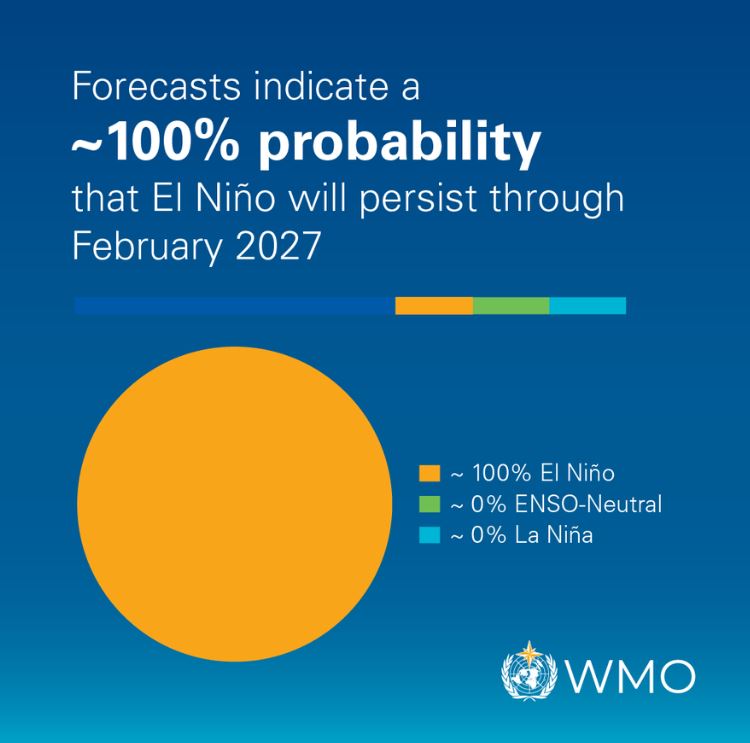
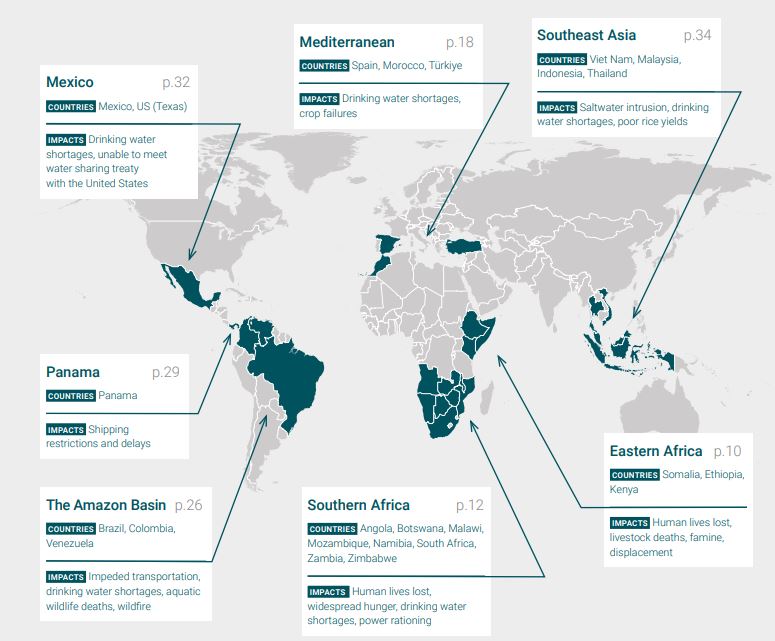
The 2024 El Niño-induced drought also highlighted the region’s vulnerability to climate shocks, with over 61 million people affected.
The new platform and center aim to help SADC member states anticipate, prepare for, and mitigate the negative consequences of future droughts by fostering a more proactive approach.
This initiative seeks to change the narrative from one of constant crisis response to one of strategic and sustainable resilience.
The Forum signifies a pivotal shift in the region’s approach to its most persistent and devastating natural hazards. It will enhance coordination, strengthen multi-sectoral collaboration, and enhance cross-border knowledge exchange.
The new disaster risk management platform aligns with global best practices and the principles of the United Nations Economic and Social Council whose mission is to foster integrated approaches that combine advanced scientific data and forecasting with traditional, community-based knowledge to develop more effective early warning systems and preparedness measures.
The Forum’s outcomes are expected to directly contribute to reducing future disaster losses, protecting development investments, and promoting a more resilient and prosperous Southern Africa.
Discover more from CLIMATE BRIEF
Subscribe to get the latest posts sent to your email.