Staff Writer
The Civil Protection Unit (CPU) says severe weather conditions, characterised by high-intensity rainfall and violent windstorms, have claimed the lives of 89 people across Zimbabwe during the 2025/26 season.
As the country enters its peak rainfall period, the CPU warned that these escalating climate events continue to pose a significant risk to life, property, and livelihoods.
According to a situation report from the CPU, the fatalities were driven by a surge in high-intensity storms, lightning strikes, and flash flooding, underscoring the growing vulnerability of Southern Africa to climate-driven disasters.
The CPU said the most severe loss of life occurred in Manicaland Province, where 36 deaths were recorded, followed by Mashonaland West with 20 fatalities and the Midlands with 13.
The regions have been battered by a series of high-intensity storms, with the Meteorological Services Department recently tracking a period of torrential rain that saw falls exceeding 50 mm in 24 hours.
The surge in rainfall followed a weather advisory issued on January 18, 2026, which warned that strong winds and lightning would accompany the heavy downpours.
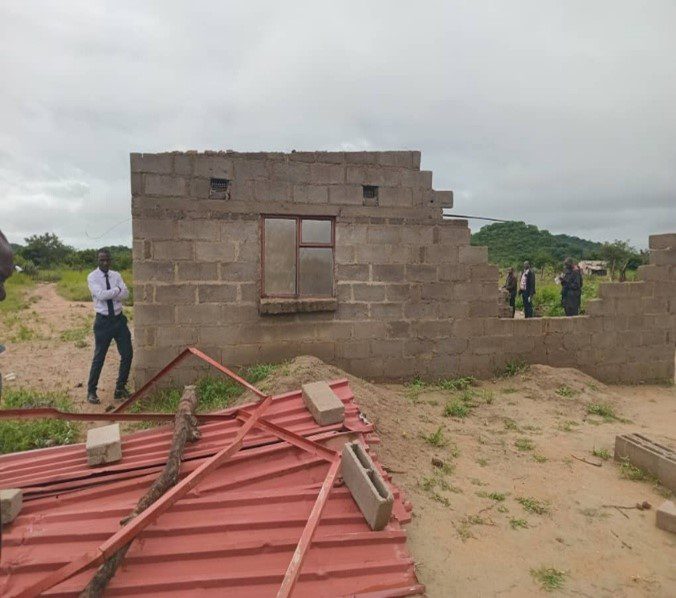
The high death toll is compounded by massive infrastructure failure and the destruction of homes.
In the Midlands, Zvishavane District saw six homesteads in Gwatara Village completely leveled on January 18, leaving families homeless and a primary school student hospitalised.
“The incident resulted in injuries to one primary school-going child, who was subsequently taken to Zvishavane District Hospital for medical treatment,” the CPU said.
“The affected households suffered significant losses, including household property, food stocks, school stationery and agricultural inputs. Some families were left completely homeless after all their dwelling units were destroyed.”

Rains swept away the Dabengwa bridge to Defe shrine.
Similar reports of destruction emerged from Lupane in Matabeleland North, where the Kana Road at Mzola Bridge was severed, isolating communities from vital aid and emergency services.

The Rukomechi Bridge was swept away by heavy rains.
In Mashonaland West Province, the Rukomechi Bridge near Nyakasikana Gate in Mana Pools was swept away by heavy rains, cutting off the only accessible road into the area.
In Mhondoro-Ngezi District, a pupil at Chizinga Primary School drowned on 21 January 2026 while attempting to cross the Ngezi River.
The CPU said the cumulative impact of the season includes the destruction of several schools, health institutions, and critical bridges.
As of late January, at least 1,020 households have been directly affected, and the cost of rebuilding infrastructure is expected to run into millions of dollars.
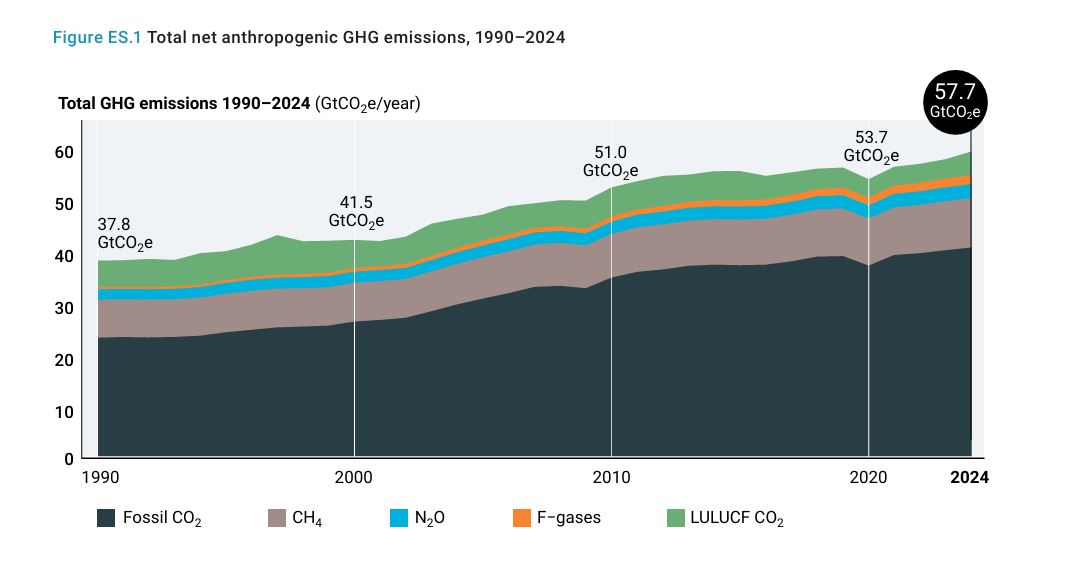
Climatologists have highlighted that while the 2025/26 season was initially influenced by La Niña conditions, which typically bring higher rainfall, the erratic nature and sheer intensity of these storms are consistent with climate change patterns observed in the region.
Discover more from CLIMATE BRIEF
Subscribe to get the latest posts sent to your email.